Peak Climbing
About Peak Climbing
“Conquer Nepal’s Himalayan Peaks with Expert Guides, Technical Support, and Unforgettable Mountain Adventures”
Peak Climbing in Nepal
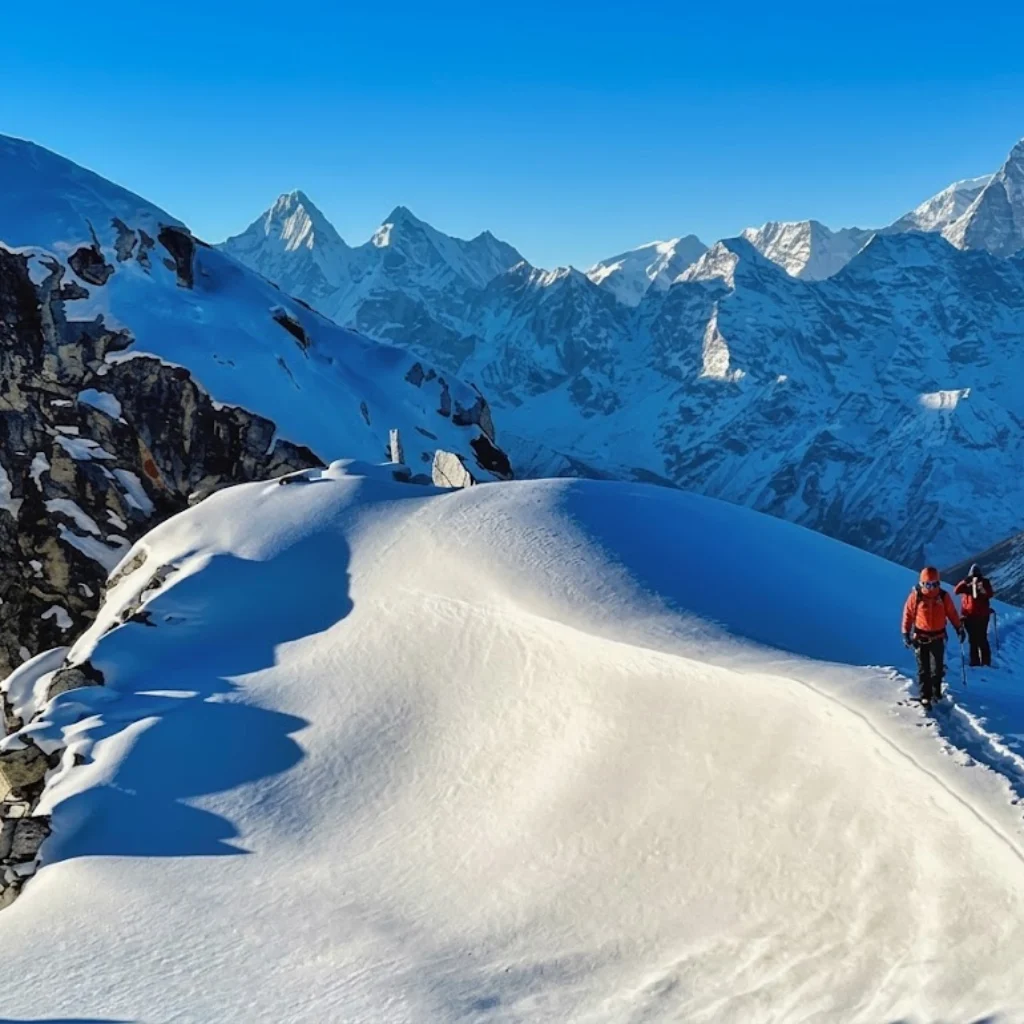
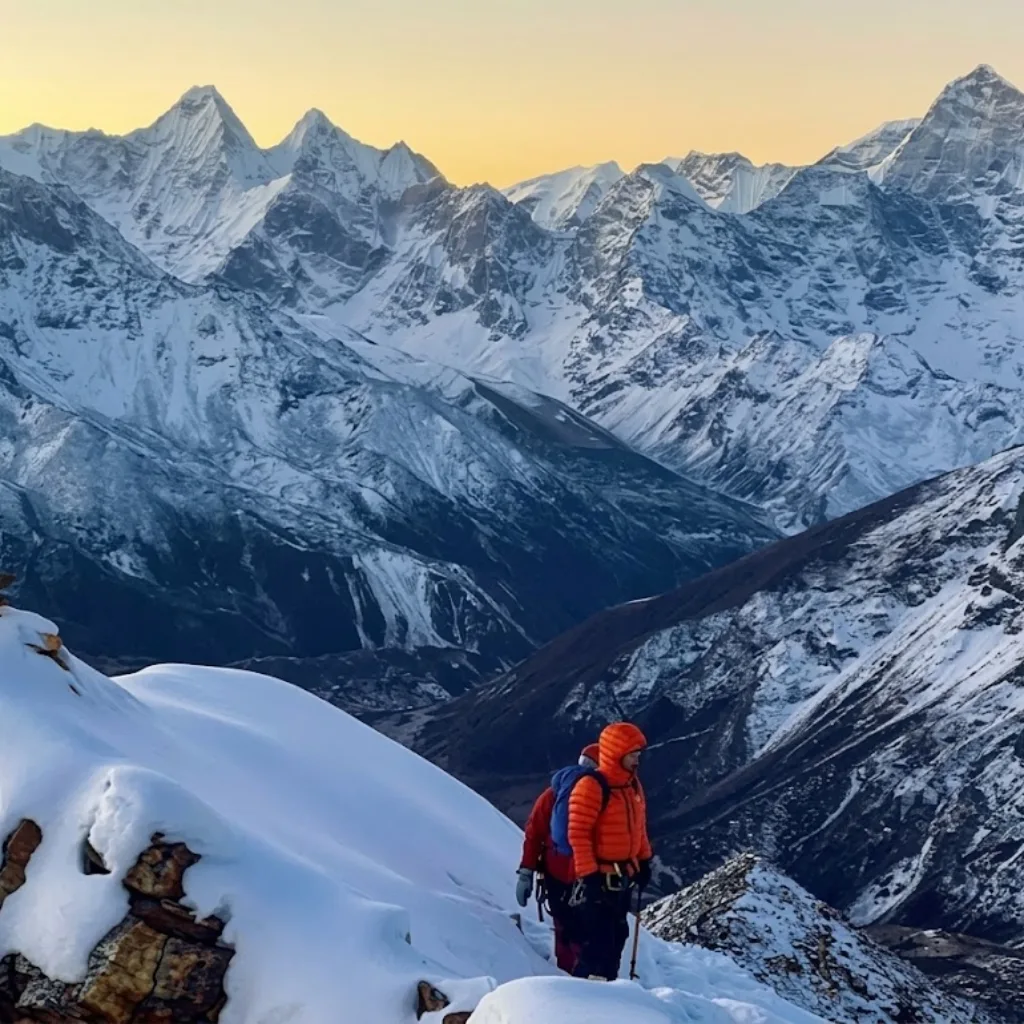
Peak climbing in Nepal is an exciting Himalayan adventure that combines trekking, mountaineering, glacier travel, and summit climbing. Home to some of the world's highest mountains, Nepal offers exceptional opportunities for climbers to explore snow-covered peaks, remote valleys, alpine landscapes, and traditional mountain villages. Whether you are an adventure enthusiast preparing for your first Himalayan summit or an experienced mountaineer seeking a more technical challenge, Nepal has a variety of climbing peaks to suit different skill levels and ambitions.
Popular climbing destinations include Island Peak, Mera Peak, Lobuche East, Yala Peak, and Pisang Peak. Each peak offers a unique combination of scenic trekking routes, high-altitude challenges, and rewarding summit experiences. Island Peak is a popular choice for climbers looking to gain Himalayan mountaineering experience, while Mera Peak is known for its panoramic views of several major Himalayan summits, including Everest, Lhotse, Makalu, and Cho Oyu in suitable weather conditions. Lobuche East offers a more technical climbing experience, making it a suitable objective for climbers with appropriate preparation and mountaineering skills.
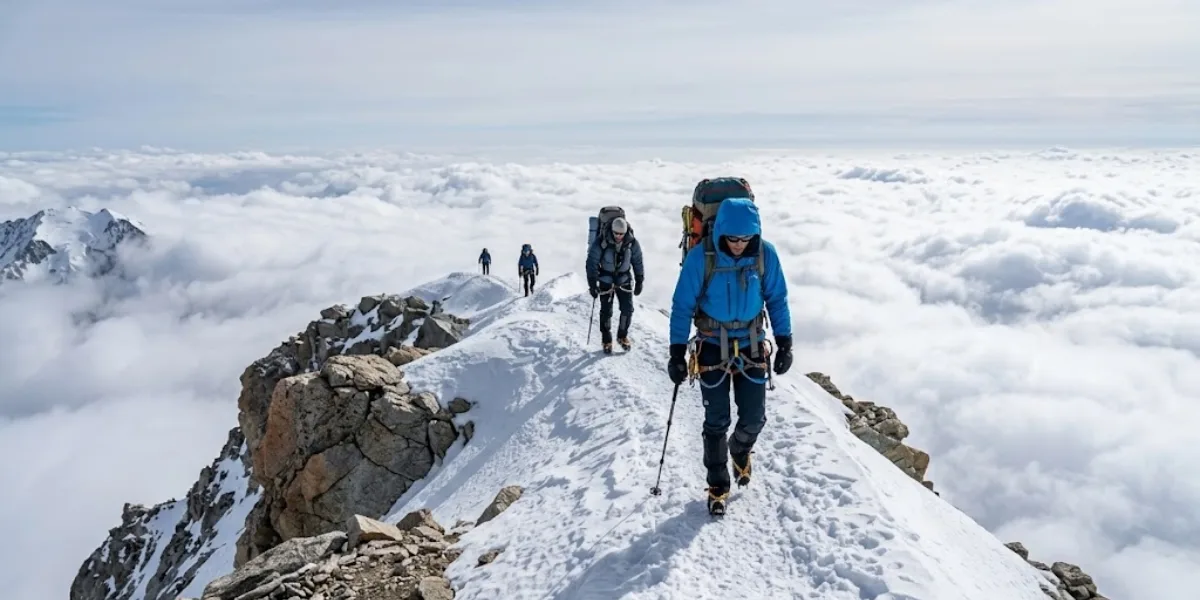
Most peak climbing expeditions begin with a trek through Nepal's mountain regions, passing through Sherpa settlements, Buddhist monasteries, suspension bridges, and spectacular alpine scenery. Depending on the selected route, climbers may travel through the Everest, Langtang, Annapurna, or other Himalayan regions. The journey includes gradual acclimatization, preparation at higher elevations, and practical training in the use of mountaineering equipment such as crampons, ice axes, harnesses, and fixed ropes where required.
A successful peak climbing expedition requires proper physical fitness, careful acclimatization, suitable equipment, and guidance from qualified climbing professionals. Some trekking peaks are accessible to fit beginners with appropriate instruction and preparation, while others require previous mountaineering experience. Weather conditions, snow stability, altitude, and individual health can affect summit attempts, so flexibility and safety-focused decision-making are essential throughout the expedition.
The best climbing season generally falls in spring (March–May) and autumn (September–November), although conditions vary by peak and route. These periods often provide more favorable weather and mountain visibility, but no season guarantees safe climbing conditions.
Whether you choose Island Peak, Mera Peak, Lobuche East, Yala Peak, or Pisang Peak, peak climbing in Nepal offers a rewarding opportunity to challenge yourself, discover the beauty of the Himalayas, and experience the achievement of reaching a mountain summit. With a well-planned itinerary, experienced support, and adequate preparation, your expedition can become an unforgettable Himalayan adventure.
Popular Peak Climbing Packages in Nepal
- Island Peak Climbing: A classic Himalayan climbing objective in the Everest region, often combined with the Everest Base Camp trekking route.
- Mera Peak Climbing – 16 Days: A high-altitude expedition known for extensive Himalayan panoramas and a rewarding summit experience.
- Lobuche East Peak Climbing: A more technical Himalayan climb near the Everest Base Camp trekking route, requiring appropriate mountaineering preparation.
- Yala Peak Climbing: An adventure in the Langtang region that combines scenic trekking with a comparatively accessible climbing objective in suitable conditions.
- Pisang Peak Climbing: A challenging climbing adventure in the Annapurna region, featuring dramatic mountain scenery and high-altitude terrain.
What Is Included in a Peak Climbing Expedition?
Depending on the package and operator, a peak climbing expedition may include:
- Airport transfers and domestic transportation as specified in the itinerary.
- Accommodation in Kathmandu and mountain teahouses or lodges during the trek.
- Meals during the trekking and climbing portions of the trip.
- A licensed trekking guide and qualified climbing guide.
- Required climbing permits and applicable local fees.
- Porters and climbing support staff, according to the package.
- Mountaineering equipment provided by the operator, where specified.
- Acclimatization days, climbing preparation, and summit attempts.
- Emergency coordination and evacuation arrangements as defined by the operator and insurance policy.
Important: Package inclusions vary. Climbers should confirm permit fees, personal climbing equipment, insurance, guide-to-client ratios, and emergency evacuation coverage before booking.
Who Can Join Peak Climbing in Nepal?
Peak climbing is suitable for physically fit travelers who are prepared for long trekking days, cold weather, and strenuous activity at high altitude. Previous trekking experience is beneficial, while technical peaks may require prior mountaineering experience and proficiency with climbing equipment. Beginners should choose an appropriate peak, allow sufficient time for acclimatization, and follow professional guidance.
Before departure, climbers should undertake cardiovascular and strength training, prepare suitable clothing and footwear, and obtain travel insurance that explicitly covers high-altitude mountaineering and emergency helicopter evacuation where applicable.
Best Time for Peak Climbing in Nepal
Spring (March–May): Generally offers favorable climbing opportunities, improving temperatures, and good mountain scenery, although snow and weather conditions vary.
Autumn (September–November): Often provides clear mountain views and comparatively stable conditions, making it a popular period for Himalayan trekking and climbing.
Winter and monsoon-season climbs may be possible on selected routes, but cold temperatures, precipitation, snow conditions, and visibility can create additional challenges. Always assess current mountain conditions with a qualified local operator.
Frequently Asked Questions
1. What is peak climbing in Nepal?
Peak climbing is a mountaineering activity involving trekking to a mountain, preparing at altitude, and climbing to its summit using the techniques and equipment required by the route.
2. Which peak is best for beginners?
Yala Peak and some guided Mera Peak itineraries may be considered by beginners with suitable fitness and preparation. However, difficulty depends on current conditions, route selection, and individual experience. No Himalayan climb should be considered risk-free.
3. Do I need previous climbing experience?
Not for every peak, but physical fitness, trekking experience, and a willingness to learn are important. More technical climbs, including Lobuche East and Pisang Peak, may require previous mountaineering skills or additional training.
4. How long does peak climbing take?
The duration varies by peak and itinerary. Some expeditions take around a week or more, while others require two to three weeks or longer to allow for trekking, acclimatization, and climbing.
5. What equipment is needed?
Typical equipment may include mountaineering boots, crampons, an ice axe, a climbing harness, a helmet, suitable clothing, and technical hardware. The exact requirements depend on the peak and route, so obtain a detailed equipment list from your operator.
6. Is peak climbing in Nepal safe?
Peak climbing involves risks associated with altitude, severe weather, falls, avalanches, and other mountain hazards. Proper acclimatization, qualified guides, appropriate equipment, reliable communication, and the willingness to turn back when conditions deteriorate are essential.
7. What permits are required?
Permit requirements depend on the peak, route, and applicable regulations. Confirm current climbing permits, conservation-area or national-park permits, and any other required documentation before departure.
8. What is the best season for peak climbing?
Spring and autumn are popular seasons for many Nepalese climbing peaks. The most suitable period depends on the individual mountain, route conditions, and weather forecast.
Plan Your Himalayan Climbing Adventure
Choose a peak that matches your experience, fitness, and mountaineering goals. With careful planning, appropriate acclimatization, and qualified professional support, peak climbing in Nepal can provide an exceptional opportunity to experience the Himalayas beyond the usual trekking routes.
Travel Packages in Peak Climbing
Showing 5 packages available