Lower Mustang Trekking — 9 Days | Nepal Lion Tours
A 16-Day Himalayan Adventure Through the Remote Manaslu and Tsum Valleys, Traditional Villages, Buddhist Culture, and Stunning Mountain Landscapes
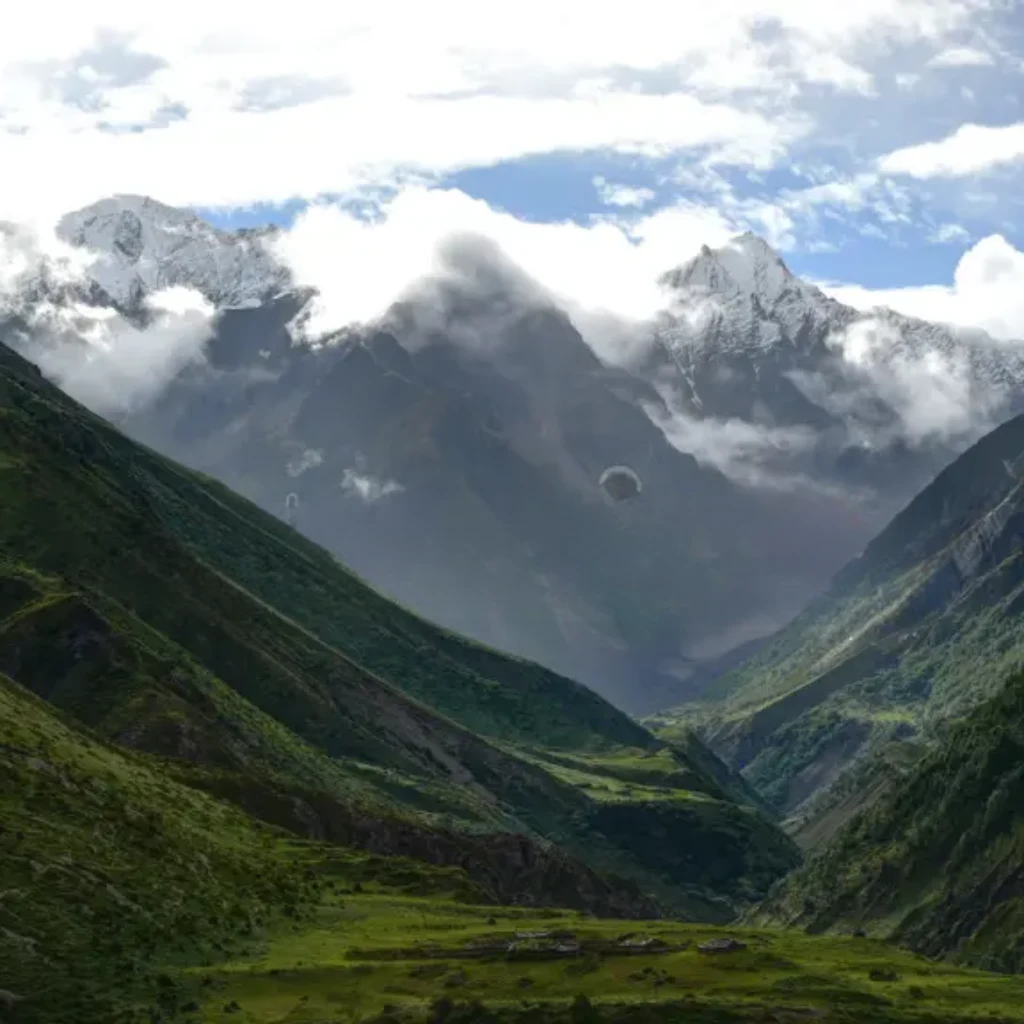
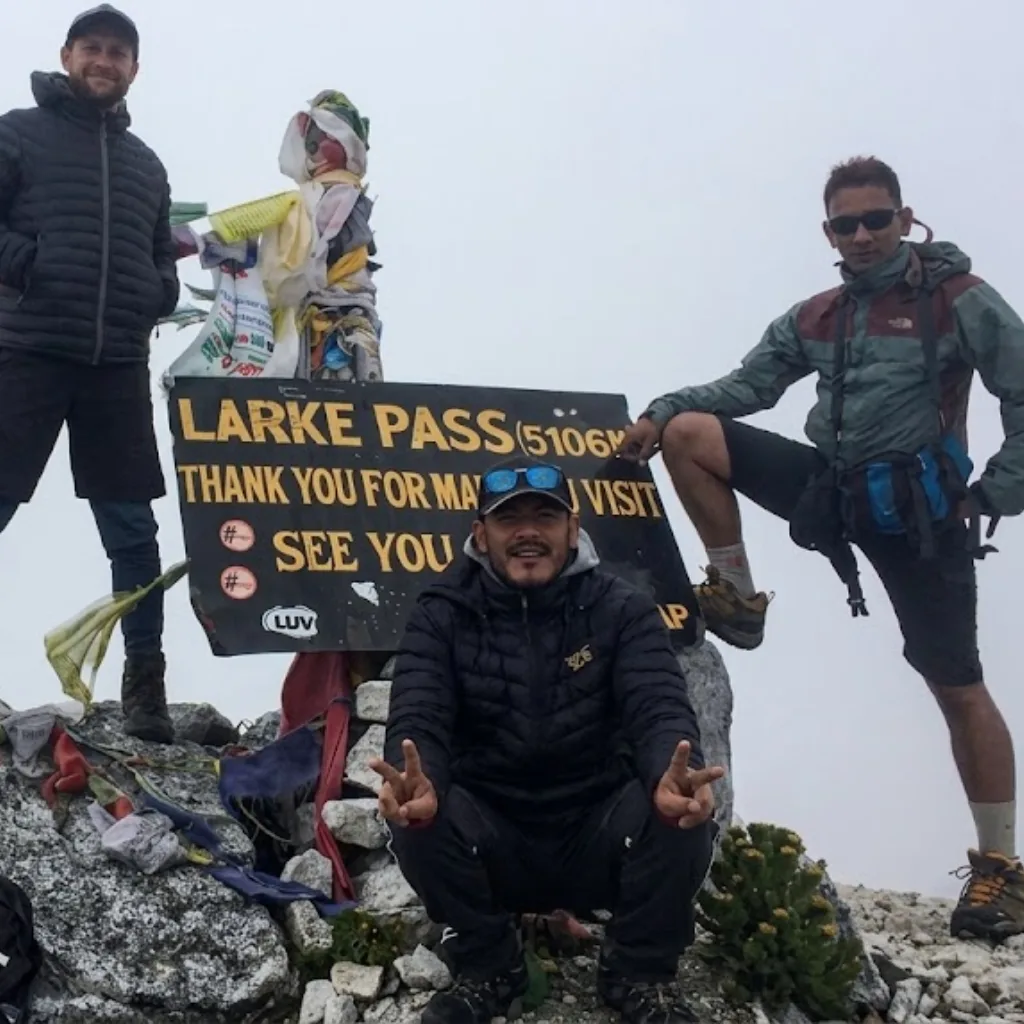
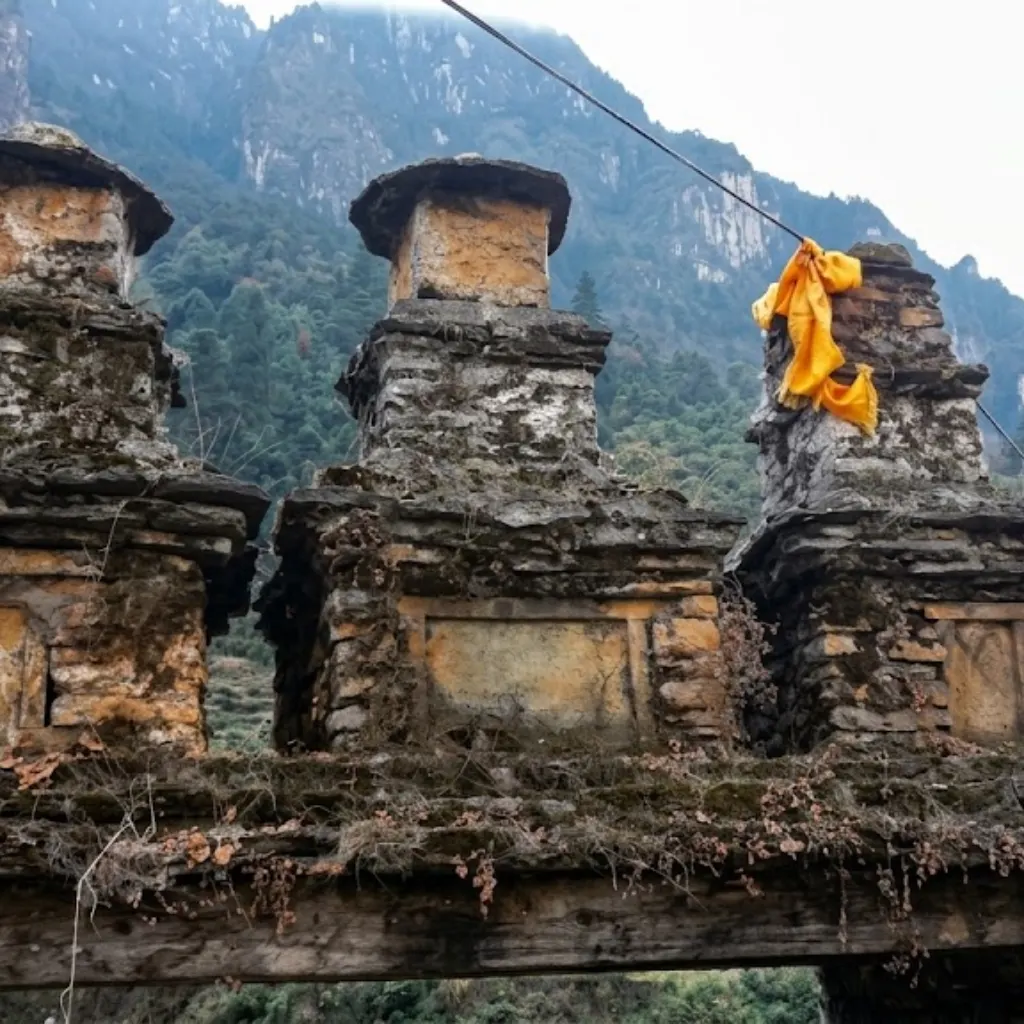
Tour Highlights
Sixteen days through the Manaslu region and Tsum Valley, combining Himalayan scenery, Buddhist heritage and traditional mountain villages.
- Mu Gompa — 3,700 m / 12,139 ft: Reach the highest point of the trek in the upper Tsum Valley.
- Milarepa Cave: Visit the meditation cave at Ngakyu associated with the Buddhist saint Milarepa.
- Chhokangparo — 3,100 m / 10,171 ft: Explore a traditional Tsum Valley village with views of Ganesh Himal and Shringi Himal.
- Rachen Nunnery: Visit an important Buddhist nunnery during the return through Tsum Valley.
- Chumling — 2,361 m / 7,746 ft: Enter Tsum Valley through a traditional village with an old gompa and mountain views.
- Tsum Valley Culture: See gompas, mani walls, prayer flags and traditional Buddhist settlements.
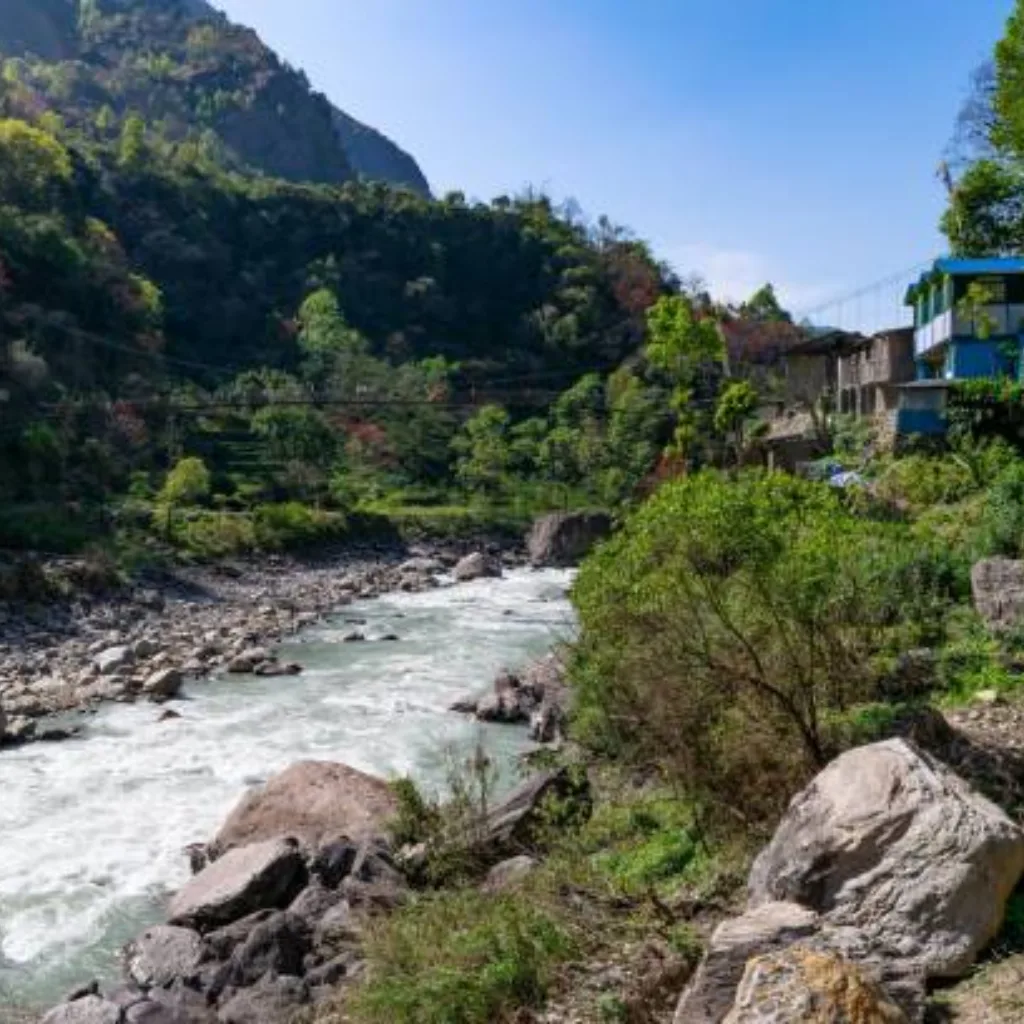
- Budi Gandaki Valley: Trek through river gorges, suspension bridges, forests and terraced farmland.
- Traditional Villages: Pass through Gurung and other Himalayan communities along the trekking route.
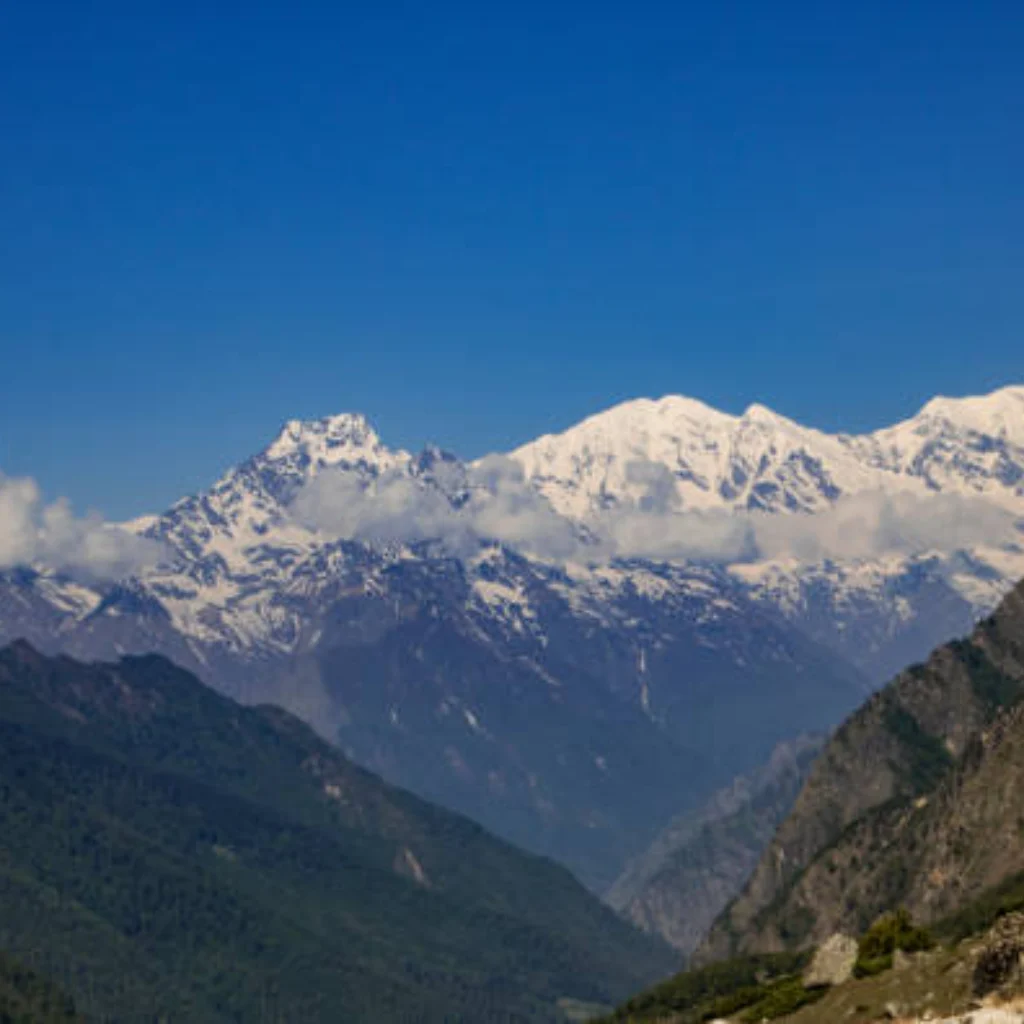
- Himalayan Mountain Views: See Manaslu (8,163 m), Himalchuli, Ganesh Himal and Shringi Himal.
- Moderate-Altitude Trek: Trek to 3,700 m without crossing a high mountain pass such as Larkya La.
Lower Mustang Trek Overview
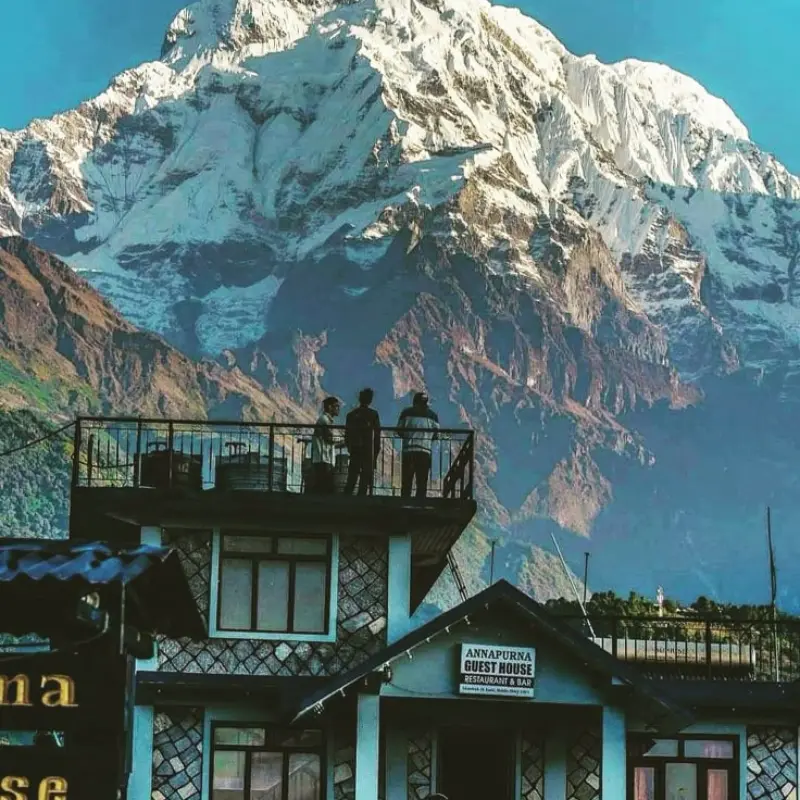
The Lower Mustang Trek is a 9-day hike through the Lower Mustang region of Nepal that starts with an 18-minute spectacular flight from Pokhara to Jomsom, the district capital of Mustang, and ends with a return flight back to Pokhara before the road drive to Kathmandu. It is a short, moderate-altitude journey up the Kali Gandaki valley that stitches together the old kingdom villages of Kagbeni, Jharkot and Marpha, the sacred Indo-Nepali pilgrimage complex of Muktinath, and the dry, breeze-swept landscapes below the Annapurna and Dhaulagiri ranges.
The route never climbs into serious high-altitude ground — the trek tops out near 3,750 m at the Muktinath side — which is why the Lower Mustang trek works for trekkers who want the classic Mustang feel and the Jomsom flight experience without spending two weeks above 4,000 m. Lower Mustang sits in the rain shadow of the Annapurna and Dhaulagiri Himalaya, so days are dry, warm and wind-brushed, and the landscape is closer to the Tibetan plateau than to the green Annapurna valleys just one gorge away.
With Nepal Lion Tours, Lower Mustang Trekking starts from USD 1,187.50 per person on the standard tier (5% OFF the regular USD 1,250) and from USD 1,603 per person on the luxury tier, with group discounts from two trekkers and a small-group cap of 10. The package includes the scenic Pokhara-Jomsom-Pokhara flight, private road transport between Kathmandu and Pokhara, the ACAP trekking permit, a licensed guide, full-board meals during the trekking days, tea-house and hotel accommodation, and a Kathmandu valley sightseeing day folded into the itinerary.
Guide’s Note — Nepal Lion Tours
From our experience operating Lower Mustang departures, the flight day IS the highlight of the trip. Trekkers often treat Day 4 as ‘just transport’, but the Pokhara-Jomsom morning flight is genuinely the best 18 minutes in the whole trek — you fly at eye level with Dhaulagiri and Annapurna, each side of the gorge, with the river flashing below. Ask for the window seat on the left when you book, and keep your phone ready from the moment the wheels leave.
— Nepal Lion Tours Lead Trekking Guide
What Makes the Lower Mustang Trek Special?
The Lower Mustang Trek is special because it packs the essence of a Mustang itinerary into nine days. The 18-minute flight from Pokhara over the ridge into Jomsom is one of the most spectacular short mountain flights in Nepal — climbing out of Pokhara and dropping into the world’s deepest gorge, the Kali Gandaki valley between Annapurna and Dhaulagiri. Then, instead of weeks of walking, a two-and-a-half-day trek takes you through the must-visit gems of Lower Mustang: the walled village of Kagbeni with its 800-year-old brick-red Shakya Gompa, the stone terraces of Jharkot, the wind-chapped gateway village of Ranipauwa, and the holy temple of Muktinath — sacred to both Hindus and Buddhists.
The final stretch runs through the Lupra valley to Marpha, a compact, whitewashed apple village famous for its narrow alleys, apple orchards and apple brandy, before flying back down the gorge to Pokhara. It is a genuine Mustang taste — restricted-area Upper Mustang atmosphere, Tibetan Buddhist culture and dry Himalayan scenery — achieved with barely any climbing and almost no altitude risk.
Why Choose the Lower Mustang Trek?
You choose Lower Mustang when you want the Mustang region’s landscapes and the Jomsom flight, but your dates are short. At just 9 days including the driving and sightseeing days, the Lower Mustang trek fits into a standard holiday window, and the maximum altitude near 3,750 m means the trip is manageable even for first-time trekkers, families with fit teenagers, or trekkers returning from a longer break.
It is also a great practical add-on: the same Kathmandu and Pokhara base hotels, the same departure structure and the same packing list as Nepal Lion Tours’ other Mustang and Annapurna packages means you can link the Lower Mustang Trek with a Poon Hill circuit, an Annapurna Base Camp trek, or a Ghorepani-Poonhill departure without re-arranging your logistics. And because it finishes back in Pokhara by flight, you skip the long, dusty road return down the valley.
Who Is This 9-Day Lower Mustang Trek Suitable For?
The Lower Mustang Trek suits trekkers who want a short, scenic, culturally rich Himalayan trip without long high-altitude days. If you can walk 3 to 4 hours a day with a light pack through dry river valleys and stone villages, you can do this trek. It is particularly good for:
- First-time trekkers who want the Mustang character without the long trekking days.
- Families travelling with fit teenagers (the walking days are short and gentle).
- Travellers on a 12-15 day Nepal holiday who want to add a trek without overspending.
- Non-trekkers who want the “Mustang experience” — the flights, the gorge, the culture — at moderate elevation.
- Trekkers with limited leave who want scenery and culture but cannot fit a 14-day circuit.
The one honest caution: the afternoons on the Kali Gandaki can blow very hard in the lower sections, and Muktinath sits at nearly 3,750 m, so a basic measure of fitness and a flexible guide are the right companions — which is exactly what the Nepal Lion Tours itinerary provides.
Quick Facts
| Trek Fact | Details |
|---|---|
| Trek Name | Lower Mustang Trekking - 9 Days |
| Duration | 9 days / 8 nights |
| Region | Lower Mustang Region, Mustang District, Nepal |
| Maximum Altitude | 3,750 m / 12,303 ft at the Muktinath side |
| Difficulty | Moderate |
| Main Highlight | The 18-minute Pokhara-Jomsom mountain flight through the world’s deepest gorge, and the holy temple complex of Muktinath on the Kali Gandaki |
| Start / End | Kathmandu to Kathmandu |
| Route | Kathmandu – Pokhara – Jomsom – Kagbeni – Jharkot – Muktinath – Marpha – Pokhara – Kathmandu |
| Typical Walking | 3–4 hours on the trekking days, with the Marpha day the longest at 5–6 hours |
| Best Season | Spring and Autumn |
| Price From | USD 1,187.50 per person (list USD 1,250; luxury USD 1,603) |
| Accommodation | Tea-houses and lodges on the trail with hotels in Kathmandu and Pokhara |
| Guide | Licensed English-speaking (or Chinese, Korean, Hindi, Nepali) trekking guide |
Lower Mustang Trek Route and Elevation
The route is a compact loop with an air bridge in the middle: drive from Kathmandu to Pokhara, fly the 18-minute gorge crossing to Jomsom, walk up the Kali Gandaki and Jhong Khola valleys through Kagbeni and Jharkot to Muktinath, descend through the Lupra valley to Marpha, and fly back to Pokhara before the road return to Kathmandu. The walking sits inside the middle of the trip, with the flights as both bookends.
Lower Mustang Trek Route at a Glance
| Day | Trek Route | Altitude | Highlights |
|---|---|---|---|
| Day 01 | Arrive in Kathmandu, transfer to hotel | Kathmandu 1,400 m / 4,593 ft | Airport pickup, welcome dinner, trip briefing |
| Day 02 | Kathmandu Valley Sightseeing | 1,400 m / 4,593 ft | Pashupatinath, Swayambhunath, Boudhanath, Durbar Squares — UNESCO sites |
| Day 03 | Drive Kathmandu to Pokhara | 820 m / 2,690 ft | Phewa and Begnas lakes, caves and waterfall, 6–7 hour drive |
| Day 04 | Fly Pokhara to Jomsom | 2,720 m / 8,924 ft | The 18-minute mountain flight into the Kali Gandaki gorge |
| Day 05 | Trek to Kagbeni | 2,900 m / 9,514 ft | King’s Palace, Shakya Gompa, Dhaulagiri and Tukuche views |
| Day 06 | Trek via the Red Gompa to Muktinath | 3,750 m / 12,303 ft | Khingar, Jharkot, Ranipauwa and the holy Muktinath complex |
| Day 07 | Trek to Marpha via the Lupra Valley | 2,790 m / 9,154 ft | Muktinath morning visit, apple orchards and apple brandy |
| Day 08 | Fly Jomsom to Pokhara, drive to Kathmandu | 820 m / 2,690 ft | Gorge views in the other direction, 6–7 hour road return |
| Day 09 | Final departure, airport drop | Kathmandu 1,400 m / 4,593 ft | Private morning transfer for the onward journey |
Lower Mustang Trek Elevation Profile
The elevation story of the Lower Mustang Trek is a gentle up-river climb and a fast descent by flight. Kathmandu sits at 1,400 m, Pokhara at 820 m, and the flight lands you at Jomsom (2,720 m / 8,924 ft) — the district capital of Mustang. From Jomsom the trail climbs steadily up the Kali Gandaki and Jhong Khola valleys through Kagbeni (2,900 m) and Jharkot, reaching Muktinath at about 3,750 m / 12,303 ft on Day 6 — the highest point of the itinerary. From Muktinath the route drops through the Lupra valley to Marpha at 2,790 m, losing roughly 960 m in a single walking day, before the flight back down to Pokhara.
Altitude gained across the whole trek is modest (about 1,000 m of net climbing from Jomsom to Muktinath), and no overnight sits above 3,750 m, which effectively removes serious acute mountain sickness risk for healthy trekkers following the itinerary.
How to Get to the Lower Mustang Trek
Kathmandu to Pokhara: Flight or Road?
Nepal Lion Tours uses a private vehicle for the Kathmandu-Pokhara-Pokhara-Kathmandu road legs — roughly 200 km by the Prithvi Highway through the river canyon, taking about 6-7 hours with a lunch stop. Flights between Kathmandu and Pokhara also exist (25 minutes) and can be arranged on request for an additional cost, but the road transfer is the standard inclusion because it folds sightseeing and flexibility into the same day. A national-wide office network supports the transfers, so your pickup and drop are handled door to door.
Pokhara to Jomsom: The 18-Minute Flight
The hallmark transfer of the Lower Mustang Trek is the 18-minute flight from Pokhara to Jomsom into the deep Kali Gandaki gorge. Flying the scheduled morning service, you climb out of Pokhara, cross the ridge, and land at Jomsom airport (2,720 m), framed by Dhaulagiri to the west and Nilgiri, Tukuche and the Annapurna massif to the east. It is often called one of Nepal’s most scenic mountain flights, and it is included in the package on both the standard and luxury tiers.
Guide’s Note — Nepal Lion Tours
Jomsom flights run at first light because the valley wind — the famous afternoon ‘Mustang wind’ — makes midday landings hard. That means an early start from Pokhara and breakfast on arrival, but you gain the calmest weather of the day on the ground and a full afternoon for the first trek. We book the morning departure automatically; tell us if you want the later schedule and we will adjust the day plan.
— Nepal Lion Tours Lead Trekking Guide
Returning to Kathmandu After the Trek
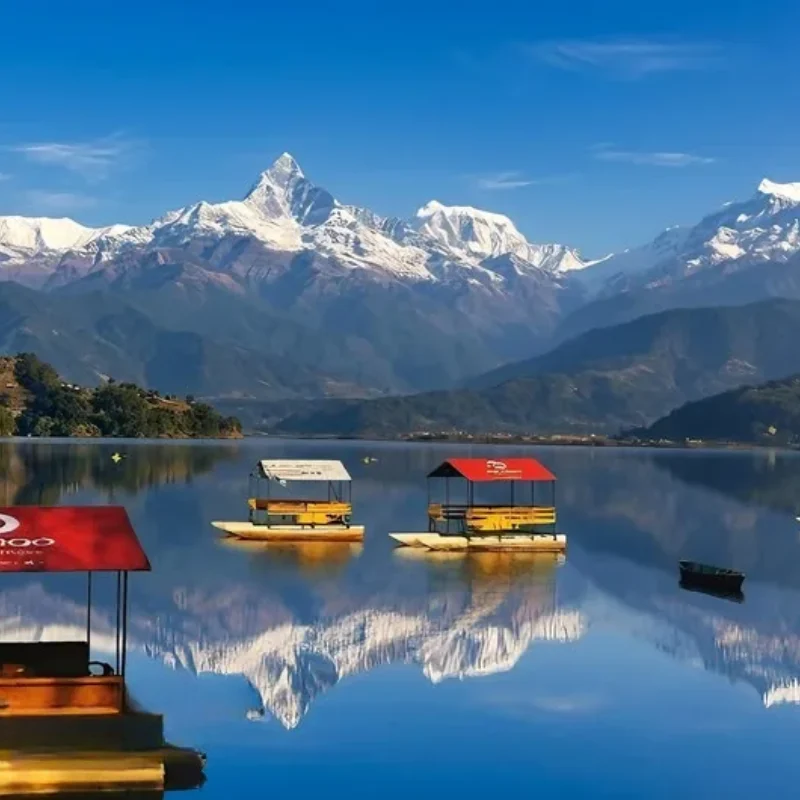
On Day 8 you fly from Jomsom back to Pokhara along the same dramatic gorge (with good weather views of Annapurna II and Machhapuchhre as you descend), then transfer by private vehicle to Kathmandu. The return drive takes around 6-7 hours; you stay overnight in Kathmandu so there is no risk of missing your international departure, and the final flight or road connection is handled the next morning. Keep your camera out for the whole Jomsom-Kathmandu return but especially the first 30 minutes — the flight-crossing gives you Annapurna II, Machhapuchhre and Hiunchuli on the left before the gorge narrows.
The Mustang Wind and Morning Flights
The one weather condition that shapes this trek is the afternoon Mustang wind — the daily gust that funnels up the gorge from late morning. It is the reason the Jomsom flight is scheduled at first light, and it is the reason the trail sections below Jomsom are best walked in the morning. The practical rule for trekkers: start each walking day early, carry a buff or scarf for the dust, and let the afternoon slow down the walking rather than force it.
A Practical Tip for International Travellers
Book your international return with a buffer — ideally not the same day as the Jomsom-Pokhara flight back to Kathmandu. Monsoon-season road delays on the Prithvi Highway are rare but real, and a night in Kathmandu after Day 9 makes the whole connection comfortable. Carry your passport for the flight legs, arrive early at the domestic terminal, and keep a light daypack with essentials for the flying days.
Lower Mustang Trek Difficulty, Fitness & Altitude
The Lower Mustang Trek is moderate — easier than the Annapurna Circuit or Everest Base Camp treks, but a genuine walking holiday with full trekking days and one section (the Muktinath ascent from Jharkot) that requires steady uphill effort. There is no technical climbing, no glacier or pass day, and the highest overnight sits near 3,750 m. The two factors trekkers actually notice are the afternoon Mustang wind in the exposed Kali Gandaki sections and the dry, dusty, sun-baked trail between Kagbeni and Muktinath — both more about comfort than difficulty.
Where the Effort Actually Is?
Three sections carry the real weight. The Day 6 climb from Jharkot to Muktinath is a steady 500 m ascent over stone steps and scree with thinning air — the toughest single stretch. The exposed valley floor below Jomsom is where the wind can gust hard in the afternoon, so dress in layers and keep sunglasses on. The lighter day to Kagbeni balances the effort — most parties walk it in 3-4 gentle hours. And the Lupra valley descent to Marpha is long on distance but gentle on gradient, ending in the orchards.
Guide’s Note — Nepal Lion Tours
Lower Mustang looks benign on a map — and it is — but don’t let the short days fool you. The real day is Day 6 into Muktinath: sun, dust, wind and a 500 m climb with barely any shade. Start early, drink more than you think you need, and carry a buff or scarf for the dust. That discipline is what separates an easy 9-day trip from a grumpy one.
— Nepal Lion Tours Lead Trekking Guide
How to Prepare for the Lower Mustang Trek
- Build a base of gentle walking days: Three-to-four-hour days dominate the schedule, so train with several consecutive 3–5 hour walks before you fly.
- Practice hills and stairs: The Muktinath ascent is staircase-and-screen terrain; weekend steep hillwalking translates directly.
- Train the descent too: The Lupra valley day is downhill — include long, careful descents and stairs in your training.
- Strengthen legs gently: Lunges, step-ups and light strength work protect the knees that carry you down from 3,750 m.
- Break in your boots: The dusty, uneven valley trail punishes new footwear.
- Rest before you arrive: Arriving in Kathmandu well-rested makes the whole trek easier; a day or two in the city before Day 1 is time well spent.
How Difficult Is This Trek Compared with Longer Treks?
Compared with the Upper Mustang Trek (12-14 days), this itinerary delivers the same kingdom-village culture, gorge scenery and Tibetan-Buddhist atmosphere for roughly half the calendar — walking days are shorter, the altitude is a third lower, and no restricted-area permit or special formalities apply. Compared with the Annapurna Base Camp Trek, it is gentler and drier, trading the high amphitheatre walls for the Mustang plateau character. Against the Annapurna Panorama/Poon Hill treks, it is a genuine step up — those stay under 3,200 m while Lower Mustang reaches Muktinath at 3,750 m. For a first Himalayan trek or a short-yield trip, it sits right between the two: more character than a viewpoint trek, far less grind than a high-altitude circuit.
Altitude, Acclimatization & Safety
The trek’s overnight altitudes run from 820 m at Pokhara to 3,750 m at the Muktinath side, with sleeps that step up in easy stages — the first trail night at 2,720 m (Jomsom), then a gradual rise through Kagbeni and Jharkot with a two-stage ascent to Muktinath, and the descent through the Lupra valley the following day. This is a genuinely modest altitude profile, and the safety margin comes from keeping every overnight low while the single high point is reached and descended in the same day.
Lower Mustang Trek Altitude Profile
- Kathmandu — 1,400 m / 4,593 ft: Arrival city, overnight at the hotel before the mountain drive.
- Pokhara — 820 m / 2,690 ft: The lakeside base and the departure point for the Jomsom flight.
- Jomsom — 2,720 m / 8,924 ft: The district capital of Mustang and the trek’s starting sleep.
- Kagbeni — 2,900 m / 9,514 ft: The walled gateway village, the first full trekking night.
- Jharkot — around 3,500 m / 11,483 ft: The terraced stepstone village below the Muktinath climb.
- Muktinath — 3,750 m / 12,303 ft: The highest point of the trek, the day-hike climax at Ranipauwa.
- Marpha — 2,790 m / 9,154 ft: The apple village of the Lupra valley, the final trekking night.
How the Body Adapts to Altitude
Above about 2,500 m, the body adapts by producing more red blood cells and breathing more deeply to carry oxygen more efficiently — but the change takes days, not hours. The practical version of the science is the itinerary: a first trail night at 2,720 m, sleeps rising in small steps through Kagbeni and Jharkot, and the one big effort (the Muktinath ascent) reached as a same-day climb from a lower bed. That means a slow, steady walking pace, plenty of water, eating well — dal bhat, not just snacks — and telling your guide immediately how you feel. No sleep above 3,750 m keeps the risk genuinely low for healthy trekkers.
Symptoms of Altitude Sickness to Watch For
Mild and expected at this height for a small minority: a light headache that eases with rest and water, mild breathlessness on the Muktinath climb, and slightly poor sleep. These are normal responses and usually settle within a day.
More concerning and never ignored: a headache that worsens and does not respond to rest, nausea or vomiting, dizziness, confusion, clumsiness or an unsteady walk, and shortness of breath at rest. Any of these means stop ascending, tell your guide, and be ready to descend — descending is the treatment, and all guides working the route carry the evacuation protocol for it. Trekkers who follow the slow-gain plan and stay communicative almost never reach the serious stage.
How Nepal Lion Tours Supports Altitude Safety
- Conservative step profile: A first trail night at 2,720 m, gradual rises through Kagbeni and Jharkot, and the Muktinath summit taken as a same-day excursion from a lower sleep.
- Experienced, licensed guidance: Your guide carries a first-aid kit, watches for early signs, paces the group, and decides the daily plan based on how everyone actually feels.
- Direct communication: You are encouraged to report any symptom the moment it appears, with no judgement and no penalty for slowing down.
- Descend-to-rest structure: Muktinath is climbed and followed by the lower Lupra valley night — you never sleep at maximum altitude.
- Emergency planning built-in: The package includes emergency evacuation assistance coordination plus the guide’s salary, insurance and equipment as standard; travel insurance covering trekking to 4,000 m is recommended alongside it.
Best Time to Trek the Lower Mustang
The best time to trek Lower Mustang is spring (March to May) and autumn (September to November) — the classic Mustang double-window. Because Lower Mustang lies in the rain shadow of the Annapurna Himal, the region gets remarkably little rain even in the summer months; the two guardrails for choosing are trail dust and wind comfort rather than monsoon closure. Autumn gives the clearest skies over Dhaulagiri and Annapurna and the calmest afternoon winds; spring brings the green flush of the apple orchards around Marpha and soft, warm valley days.
| Season | Months | Weather & Trail Conditions | Mountain Views | Overall |
|---|---|---|---|---|
| Autumn | Sep - Nov | Clear, dry, calm; best flight visibility | Excellent | Best overall |
| Spring | Mar - May | Warm, green orchards, gentle wind | Very good | Highly recommended |
| Winter | Dec - Feb | Cold nights, clear days, quiet lodges | Good on clear days | Good with gear |
| Monsoon | Jun - Aug | Dust free but cloudy; short flights risk | Dhaulagiri often capped | Fair / not ideal |
Autumn - September to November
September to November is the premium window for the Lower Mustang Trek: washed-clean skies, dry settled trails and the calmest winds of the year on the flight and the valley floor. October is the sweet spot — the post-monsoon air is crystal, Dhaulagiri hangs sharp over Jomsom, and the Muktinath circuit is busy with both trekkers and Hindu pilgrims making the famous visit. Book early: autumn is when both Nepal Lion Tours’ Lower Mustang and the wider Annapurna-Mustang region fill fastest.
Spring - March to May
March to May is the second-best window and, for many, the most scenic: the apple orchards of Marpha and Tukuche are in blossom, the valley is green where the monsoon rain shadow allows it, and daytime warmth is the most comfortable of the year. April mirrors autumn’s clarity, but with longer evenings and softer light. If your dates allow, plan the late March-to-April span for the best balance of flowers and clear skies.
Winter - December to February
December to February is cold, clear and wonderfully uncrowded. Nights drop well below freezing at Jomsom and Muktinath, days stay bright, and the lower valley avoids snow almost entirely (the trail above Jharkot can hold frost and, rarely, light snow). This is a good window for trekkers who prefer quiet lodges and don’t mind bundling up; the risk is limited lodge choice and the occasional weather hold on a flight. Book the standard winter kit (down jacket, warm layers — both supplied by Nepal Lion Tours) and you will enjoy the bare, moon-like beauty of the valley at its most austere.
Monsoon - June to August
June to August is the least suitable season. Although Lower Mustang’s rain shadow keeps the trail walkable — often drier than most of Nepal — the Jomsom flight is the weak link: the gorge clouds over, landings get tail-wind delays, and cancellations spike in July-August. If your dates are fixed in summer, trekking can still work on a flexible two-day buffer, but Nepal Lion Tours recommends a monsoon alternative (a Poon Hill or Langtang departure) or shifting to spring-autumn if at all possible.
Which Season Should You Choose?
Choose autumn for the clearest skies, the calmest winds and the most reliable flight window; choose spring for the warmest days and Marpha’s apple blossoms. Pick winter only if you are prepared for freezing nights, and avoid monsoon unless you have slack in your dates for flight weather. Weather in the gorge changes quickly even in the main seasons — check the mountain forecast before you fly and keep one buffer day in your plan.
Guide’s Note — Nepal Lion Tours
Book the morning Jomsom flight, take the window seat, and let the gorge do the rest. If you have one extra day, stay at Marpha and walk to Tukuche — that’s where the apple orchards and the quiet monasteries really open up. And Muktinath at first light, before the crowds, is a genuinely moving place.
— Nepal Lion Tours Lead Trekking Guide
Lower Mustang Trek Permits & Regulations
The Lower Mustang Trek requires the ACAP (Annapurna Conservation Area Project) entry permit — and nothing more. As a lower-elevation, non-restricted route in the Annapurna region, Lower Mustang does not require the TIMS card for this itinerary (the package includes the ACAP fee and necessary paperwork), although a TIMS card is still common on linked Annapurna treks and Nepal Lion Tours can add it on request if you combine routes. The trek does not require the restricted-area Upper Mustang Special Permit — that applies only beyond Kagbeni into Upper Mustang.
Lower Mustang Trek Permits at a Glance
| Requirement | Who Needs It? | Who Arranges It? |
|---|---|---|
| ACAP (Annapurna Conservation Area Project) entry permit | Foreign trekkers entering the Annapurna conservation area | Nepal Lion Tours, in advance |
| TIMS Card | Optional — only if combining other Annapurna routes | Nepal Lion Tours, on request |
| Upper Mustang Special (Restricted Area) Permit | Not required — Below the Kagbeni boundary | Not applicable on this itinerary |
The ACAP (Annapurna Conservation Area Project) Permit
The ACAP permit is the single entry ticket to the Lower Mustang route — it covers the trail from the valley floor up through Jomsom, Kagbeni, Jharkot and Muktinath to Marpha. It is issued by Nepal Lion Tours in advance as part of the “Necessary paperwork and Trekking Permits fee” inclusion. You simply provide your passport details at booking and a photocopy in Kathmandu; the guide carries the physical permit on the trail. There are no additional restricted-area formalities on the Lower Mustang route.
Do You Need a TIMS Card for the Lower Mustang Trek?
Not for this itinerary — the TIMS card is not required on the Lower Mustang route itself. It is still commonly used on linked Annapurna treks (a Poon Hill circuit or a longer Annapurna route), and Nepal Lion Tours can add it on request if you combine the Lower Mustang Trek with another route. On the Lower Mustang trekking days alone, the ACAP permit is the only document you need.
Do You Need the Upper Mustang Special Permit?
No — the Upper Mustang Special (Restricted Area) Permit is only required for trekking into Upper Mustang beyond Kagbeni. This Lower Mustang itinerary stops well south of that boundary, at the Muktinath-Mustang village line, so neither the special permit, a liaison officer, nor a minimum-group rule applies. If you extend north toward Upper Mustang, your Nepal Lion Tours team handles the restricted-area formalities separately.
Who Arranges the Permits?
Nepal Lion Tours arranges the ACAP permit for you before the trek departs as part of the package inclusion. You simply provide passport details at booking and a photocopy in Kathmandu; the guide carries the physical permit on the trail. Nothing is left for you to collect at the trailhead, and government fees and rules can change — we confirm the current amounts for your dates at booking.
Food & Accommodation on the Lower Mustang Trek
Lower Mustang is on the tea-house circuit, so the standard of lodging is among the best in the Himalaya — especially at Marpha and Jomsom, where some lodges are comfortable enough to feel like small hotels. All trekking nights are in simple, clean, family-run teahouses and lodges, and meals are full board throughout, cooked in the same wood-stove kitchens where you sleep.
Teahouse Accommodation on the Lower Mustang Trek
- Rooms: Twin rooms or twin-sharing as standard at every teahouse on the route — Jomsom, Kagbeni, Muktinath (Ranipauwa) and Marpha.
- Bathrooms: Shared at most stops; attached bathrooms appear at the better lodges, especially in Jomsom and Marpha.
- Hot showers: Usually available for a small fee at the larger villages where solar or gas heat is running.
- Warmth: Wood-stove dining rooms where dinner is cooked and the day is reviewed; warm blankets on the beds.
- Electricity and charging: Available at most lodges on this valley route, with solar or panel power supplementing the grid where the road extends.
- Wi-Fi: Available in Jomsom and Marpha, intermittent in Kagbeni and at Muktinath; a local data SIM often outperforms lodge Wi-Fi.
- Bedding: Provided, with the package’s down jacket and sleeping bag adding reliable warmth for the altitude nights.
What Food Is Available on the Lower Mustang Trek?
Full-board meals are served at the lodges: breakfast, lunch and dinner, with a cup of coffee or tea. The menu is the classic Himalaya-tea-house spread — dal bhat (rice, lentils and curry), fried rice and noodles, momos, thukpa soup, vegetables, egg dishes, Tibetan bread, pancakes and the local signature: Marpha apples and apple pie, plus real apple brandy in Marpha’s orchards. Because Lower Mustang is lower and better-supplied than remote Upper Mustang, food choice is generous for the whole trip — and there are plenty of vegetarian options at every lodge.
What Food and Accommodation Are Included?
| Included in the Trek Package | Usually Paid Separately |
|---|---|
| Meals (breakfast, lunch and dinner) on trekking days, plus a cup of coffee or tea | Lunches and dinners in Kathmandu beyond the welcome/farewell dinner |
| Tea-house / lodge accommodation during the trek, on twin-sharing | Hot showers, Wi-Fi and charging where fees apply |
| Hotels in Kathmandu and Pokhara with breakfast | Bottled water, alcohol, snacks and extra drinks |
| Airport pick-up and drop-off in private vehicles | Tips for the guide, porter and driver |
| Kathmandu Valley sightseeing (Day 2) and the welcome/farewell dinner | Travel insurance, emergency/evacuation costs, personal expenses |
| Guide services with his meals, salary, insurance and lodging; ACAP permit and paperwork | Anything caused by delays beyond our control |
Confirm the exact final split at booking — the inclusions above reflect the package page and are flexible to your group’s arrangements.
Drinking Water on the Trek
Boiled water and purified water are available at lodges along the entire Lower Mustang route — this is a low-altitude, well-stocked valley, so rehydration is easy compared with high-Himalaya treks. Nepal Lion Tours recommends carrying a reusable bottle and refilling with boiled or purified water from lodges; bottled water is also widely available at Jomsom, Kagbeni and Marpha. The package does not cover the cost of bottled water and drinks, so those remain a personal expense.
Staying Comfortable at Teahouses
The key comfort factors on Lower Mustang are sun and wind, not cold. Because the valley is dry and exposed, Nepal Lion Tours recommends: layered clothing for the day (the wind can drop the felt temperature sharply), sunglasses and a buff for the dust, lip balm and SPF, comfortable broken-in boots, and evening layers since the altitude nights are cold even in spring. A sleeping bag liner and a warm layer at the lodges will make the nights pleasant; Nepal Lion Tours supplies the sleeping bag, down jacket and duffel as part of the standard package.
Why Book with Nepal Lion Tours?
Nepal Lion Tours is a Kathmandu-based trekking operator that runs Mustang-region and Annapurna departures with its own licensed guides, private transport and a direct line between you and the team from first enquiry to final return.
- The Jomsom flight handled for you — the scenic 18-minute flight in and the return flight, both booked and managed.
- All permits in advance — ACAP permit and necessary paperwork included, no office queues.
- Licensed local guides — English/Chinese/Korean/Hindi/Nepali speaking, with salary, insurance, meals and lodging covered.
- Private road transport — Kathmandu-Pokhara and return by private vehicle, no public-bus uncertainty.
- Full inclusions with no surprise line items — meals, tea-house stays, city hotels, sightseeing and welcome dinner priced cleanly.
- Flexible tiers — the same published itinerary on Standard or Luxury, transparent group pricing from USD 1,187.50 (standard) or USD 1,603 (luxury) per person.
- Group discounts from two trekkers — the price per person drops automatically as your group grows.
- Emergency planning built-in — first-aid kit with the guide and evacuation assistance to a full office network.
- A warm welcome — airport pickup/drop and a welcome or farewell dinner at a cultural restaurant in Kathmandu.
The business of a mountain trek is trust, and everything Nepal Lion Tours does — from the permit paperwork to the morning-flight scheduling — is built so you can concentrate on one thing: walking the gorge well.
Book the Lower Mustang Trek
Nine days, one dramatic gorge flight and the old kingdom villages of Mustang — the compact Mustang classic without the restricted-area logistics. Secure your spot with a small confirmation to lock the Jomsom flights and the best Kagbeni and Marpha rooms, and the planning starts immediately.
Lower Mustang Trek at a Glance
- Duration: 9 days / 8 nights, including both Jomsom flights
- Price: From USD 1,187.50 per person (standard, 1 traveller; list USD 1,250; group tiers reduce to USD 1,009 per person for 10+; luxury tier from USD 1,603)
- Difficulty: Moderate
- Maximum Altitude: 3,750 m / 12,303 ft at the Muktinath side
- Accommodation: Tea-houses and lodges on the trail, with hotels in Kathmandu and Pokhara
- Meals: Breakfast, lunch and dinner on trekking days, plus a cup of tea or coffee
- Permits & Registration: ACAP (Annapurna Conservation Area Project) permit arranged by us
- Transportation: Pokhara-Jomsom-Pokhara flights and private Kathmandu-Pokhara vehicle transfers
- Guide: Licensed, English/Chinese/Korean/Hindi/Nepali-speaking trekking guide
- Cancellation: Free cancellation up to 14 days before departure (subject to booking terms)
Ready to Start Your Mustang Adventure?
Send us your preferred travel date, group size and Standard or Luxury tier through the booking form — or WhatsApp us at +977-9851039020 — and we’ll confirm availability within twenty-four hours, current permit fees and your exact price for your dates. Whether you’re travelling solo, as a couple, with friends, or with family, we’ll help you prepare for a smooth and enjoyable trek. Your Kali Gandaki sunrise is waiting — choose your dates and start planning today.
Related Lower Mustang Treks
The Mustang and Annapurna regions offer several ways up the same valley, from short viewpoint treks to restricted-area high-altitude traverses — and the same Kathmandu and Pokhara logistics link them cleanly.
| Trek | Duration | Difficulty | Max Altitude | Best For |
|---|---|---|---|---|
| Lower Mustang Trekking - 9 Days | 9 days | Moderate | 3,750 m | The compact Mustang classic with the Jomsom flight |
| Jomsom Muktinath & Ghorepani Poon Hill Trekking | 11 days | Moderate | 3,750 m | Lower Mustang paired with the Poon Hill sunrise |
| Annapurna Panorama View Trek | 5-6 days | Easy-Moderate | 3,200 m | Quick Annapurna views, ideal first trek |
| Ghorepani-Poonhill Trekking | 6-7 days | Easy-Moderate | 3,210 m | The classic Poon Hill sunrise circuit |
| Annapurna Base Camp Trek | 11-12 days | Moderate-Hard | 4,130 m | The full amphitheatre walk to the Base Camp |
| Upper Mustang Trekking | 12-14 days | Moderate | 4,230 m | The restricted-area walled city itinerary beyond Kagbeni |
The Upper Mustang Trek continues the same journey north past Kagbeni into the restricted kingdom, while the Ghorepani-Poonhill and Annapurna Panorama treks keep the trip shorter and gentler below 3,200 m. All can be combined with Kathmandu sightseeing, a Chitwan jungle safari, or a linked Annapurna departure — talk to us about stringing two trips into one.
Trip Essentials
Packing advice, required equipment & gear recommendations
Essential
Lower Mustang Trek Packing List
This is a tea-house trek, not a camping one — you carry only what you walk with, and Nepal Lion Tours provides the heavy cold-weather kit: down jacket, sleeping bag, duffel bag and trekking map. Fill your bag with layers and essentials, not bulk — the lodges cover the evening comfort.
Hiking Gear
- Hiking boots, broken in, with good ankle support and grip for the dusty, uneven valley trail
- A comfortable daypack (30-40 liters) with rain cover, for the day’s water, layers, snacks and documents
- Trekking poles — the wind and the descents reward them, especially on the Muktinath ascent
- A head torch with spare batteries for the early Jomsom flight and evening lodge walks
- Water bottles — 1-2 liters capacity, with purification tablets or a filter
Clothing: Use Layers Rather Than Bulk
- Base layers: 2-3 quick-dry tops and thermal leggings, worn at night and under everything.
- Mid-layers: A fleece or soft-shell for the active walking layers.
- Outer layers: A windproof/waterproof shell jacket and trousers — the Mustang wind makes the shell essential.
- Trekking clothes: 2-3 pairs of trekking trousers and shorts, 4-5 pairs of socks (avoid cotton), long-sleeve shirts for sun.
- Headwear and gloves: A warm hat, gloves, a buff for the dust, and a sun hat plus sunglasses for the exposed valley.
Sleeping and Evening Comfort
- The provided sleeping bag (all-season) plus a personal liner
- Warm sleep socks and a fleece or down layer for the cold dining-room evenings
- Earplugs and a quick-dry towel for the teahouse nights
- Lightweight camp shoes or sandals for lodge evenings
Toiletries and Personal Health Items
- Sunscreen (SPF 50+), lip balm and moisturiser — the valley air is dry and the sun fierce.
- A small personal first-aid kit: plasters, blister kit, antiseptic, mild painkillers, personal medication.
- Diamox only if your doctor recommends it — altitude here is mild but possible.
- Toilet paper, wet wipes and hand sanitiser — lodges provide basic facilities.
Electronics
- A power bank with enough capacity for the valley’s rationed outlets
- Universal adapter for Nepal sockets (types C/D, 230 V)
- Phone with offline maps and message apps; camera with spare battery and cards — the flight and the gorge are photographically rich
- External storage for photos and video
Documents and Money
- Original passport with at least 6 months validity, plus a photocopy
- Travel insurance documents covering trekking to 4,000 m and emergency helicopter evacuation — compulsory
- Cash in Nepali rupees or USD for personal expenses — bottled water, extra drinks, snacks, hot showers, internet and tips
- Flight details, departure confirmations and your Kathmandu hotel name
How Much Should You Pack?
Carry light — the walking is easier and the guide team thank you. Your duffel (main bag) typically holds the supplied cold-weather gear and bulk for the vehicle legs; your daypack holds the day’s water, layers, snacks and documents. Keep the high-value items, warmth and camera with you in the daypack, and split the rest sensibly. Nepal Lion Tours provides the bulky cold-weather gear, so your own kit is mostly layers, footwear and personal essentials.
Read Before You Book
Permits, terms, medical considerations & advisory guidelines
Advisory
What to Know Before Booking
A few realities of this dry, windswept Mustang valley, settled before you go — so the trail holds no surprises.
Accommodation and Facilities
Expect clean, sociable tea-houses and small hotels rather than luxury. Rooms are basic twin-sharing with shared or attached bathrooms at the better lodges; evenings gather around the wood-stove dining room. Electricity is available at most lodges (solar/panel supplementing grid where the road extends); hot showers are usually available for a small fee at larger villages, and Wi-Fi/internet is available in Jomsom and Marpha and intermittent elsewhere.
Food and Dietary Requirements
Dal bhat, fried rice, noodles, momos, thukpa and Marpha apple produce are the staples, and there are plenty of vegetarian options. Nepal Lion Tours notes dietary needs at booking (vegetarian, no pork, allergies) so the guide and lodges can plan meals. Non-vegetarian options are available and egg dishes are easy; travellers avoiding gluten or seeking special diets should let us know in advance and carry a few personal snack items.
Altitude, Health and Insurance
The trek tops out near 3,750 m at Muktinath, so altitude risk is low but real; travel insurance covering trekking to 4,000 m and emergency evacuation is recommended alongside the package’s evacuation-assistance coordination. Drink plenty, walk at your own comfortable pace, and follow the guide’s pacing on the Muktinath climb. If you have any heart or respiratory condition, or are over 60, get a doctor’s clearance before booking — the day into Muktinath is the only section that demands real effort.
Money and Tipping
Carry cash (NPR preferred) for the trek — the trail has no ATMs beyond Pokhara, and estate lodging and meals are cash-based. Nepal Lion Tours suggests budgeting for personal drinks, bottled water, hot showers, internet and snacks, plus a customary tip for your guide and porter at the end (typically 10-15% of the guide salary-equivalent is appreciated, decided by your satisfaction). The package covers all trekking meals, stays and permits.
Culture and Responsible Trekking
- Respect monastery and temple etiquette at Kagbeni’s gompas and Muktinath’s flame shrine — they are working religious sites, not just photo stops.
- Pass the mani walls to their right and walk around the chortens rather than over them.
- Ask before photographing locals — especially at the pilgrimage complex.
- Dress modestly at Muktinath and photograph quietly.
- Leave no trace and support the tea-house economy that keeps these villages alive.
Route Options
Lower Mustang Treks can be extended or combined: add the Ghorepani-Poonhill circuit, the Tukuche/Kali Gandaki valley, or continue north into the restricted Upper Mustang region with its special permits and regal monasteries. Each alternative has its own price, permits and difficulty profile — Nepal Lion Tours staff will happily adjust duration, tier and route at booking; the 9-day is the compact signature but stays flexible.
Booking and Before You Arrive
- Confirm which hotel tier your booking uses — Standard or Luxury (the difference is hotel class and lodge quality, not the itinerary or guide).
- Send passport details for the ACAP permit in advance.
- Book morning flights for the Jomsom run — evening departures risk the wind.
- Lock your international return with at least one buffer night after Day 9.
- Bring a travel insurance policy that names helicopter evacuation — it is non-negotiable for any patient, and Nepal Lion Tours’ evacuation assistance works alongside it.
- Tell us your dietary needs and health questions at enquiry, not on Day 1.
- Expect Nepal Lion Tours to confirm permits, flights, transport and guides within 24 hours of booking; a deposit secures the departure and the balance is due before the trek starts.
A Few Final Tips
Start early on the trail days to stay ahead of the afternoon wind, pack for sun and wind rather than cold rain, stay an extra night in Kathmandu or Pokhara if your return flight is early the morning after the trek ends, and let the guide’s pace carry you up the Muktinath climb. The gorge rewards the patient: the 18-minute flight and the first-light temple visit at Muktinath are the moments people remember longest.
Day-by-Day Itinerary
Explore each day's route, trekking elevation, and activities
Morning
Upon arrival in Nepal, our representative will meet you at Tribhuvan International Airport and warmly welcome you. After completing the necessary airport formalities, you will be escorted to your waiting vehicle.
Midday
Transfer to your designated hotel in Kathmandu and complete the check-in process. Take some time to relax and recover from your journey after the flight.
Afternoon
The remainder of the afternoon is free for rest or personal activities. Depending on your arrival time, you may also explore the nearby streets and surroundings at your own pace.
Evening
In the evening, join our team for a welcome dinner featuring delicious local cuisine. This is a great opportunity to meet your trekking team and fellow travelers and receive a brief introduction to the upcoming adventure. After dinner, return to the hotel for a comfortable overnight stay.
Morning
After an early breakfast, begin the drive from Kathmandu to Arughat. The journey takes you through scenic countryside, with views of rolling hills, terraced farmland, and traditional settlements along the way. As you enter Dhading District, the road becomes more rugged, with winding and challenging sections requiring careful driving.
Midday
Continue through the rural landscapes of Dhading, passing small villages and cultivated hillsides. Stop for lunch along the route and take a short break before continuing toward Arughat.
Afternoon
Arrive in Arughat, a lively market town situated along the Budhi Gandaki River. Take some time to explore the pleasant local market and observe the daily activities of the surrounding communities. Arughat serves as an important starting point for journeys toward the Manaslu region.
Evening
Check into a comfortable local hotel and settle in after the day's drive. Enjoy a delicious dinner and relax for the evening, preparing for the trekking journey ahead.
Morning
After breakfast, begin the trek from Arughat toward Labubesi, passing through traditional Gurung and Magar villages along the route. The trail provides an opportunity to observe the traditional architecture, local lifestyle, and peaceful rural atmosphere of the region.
Midday
Continue through beautiful forests and cultivated farmland, where local communities grow crops such as rice, maize, and millet. The combination of green hills, terraced fields, and forested slopes creates a scenic and relaxing trekking environment. Stop for lunch and take a short break before continuing toward Seti Khola.
Afternoon
After lunch, gradually descend toward Seti Khola, following the changing terrain through forested areas and rural landscapes. Continue along the trail until reaching Labubesi, a traditional Gurung settlement surrounded by picturesque hills and farmland.
Evening
Arrive in Labubesi and check into a local hotel. After settling in, enjoy a delicious dinner and relax for the evening, preparing for the next stage of the trek along the Budhi Gandaki valley.
Morning
After breakfast, begin the trek from Labubesi, following the trail toward the Machha Khola. The route gradually climbs through the surrounding hills before continuing deeper into the Budhi Gandaki valley, with the river and rugged mountain scenery accompanying you along the way.
Midday
Continue through forested sections and traditional rural landscapes, gradually making your way toward a large Gurung village. Stop for lunch and take the opportunity to interact with local residents, gaining insight into their traditional lifestyle, culture, customs, and daily activities.
Afternoon
After lunch, resume the trek along the Budhi Gandaki River toward Khorla Besi. The trail passes through changing terrain, with a combination of gentle climbs, descents, river views, and surrounding hills creating a scenic trekking experience.
Evening
Arrive at Khorla Besi and settle into a local teahouse. Enjoy a delicious dinner and relax after the day's trek, surrounded by the peaceful mountain environment.
Morning
After breakfast, begin the trek from Khorla Besi with a gradual ascent toward Tatopani. The village is well known for its natural hot springs and is also considered a pilgrimage site. Take some time to enjoy a relaxing bath in the warm spring waters before continuing the trek.
Midday
After Tatopani, follow the trail through the narrow valley of Doban, where steep hills and the Budhi Gandaki River create a dramatic mountain setting. Continue through the rugged terrain and stop for lunch along the way before proceeding toward Yaru Khola.
Afternoon
Cross the bridge over Yaru Khola and continue along a trail featuring a mixture of uphill and downhill sections. The route gradually leads toward Jagat, with changing landscapes, river views, and forested hills accompanying the journey.
Evening
Arrive at Jagat, a beautiful and relatively flat Gurung village with a traditional mountain atmosphere. Explore the peaceful surroundings before checking into a local teahouse. Enjoy dinner and rest overnight as you prepare for the next stage of the Manaslu Circuit Trek.
Morning
After breakfast, begin the trek from Jagat toward Salleri before descending toward Sirdibas. Continue along the Budhi Gandaki valley, following the trail through peaceful mountain landscapes and traditional settlements.
Midday
Continue toward Ghatta Khola, where the trail follows the river and gradually leads through the rugged valley. Cross a suspension bridge and continue along the ascending trail toward Philim, a traditional Gurung village. Stop for lunch and take some time to appreciate the surrounding scenery.
Afternoon
After lunch, continue through and beyond Philim, following the trail into peaceful forested sections. The route gradually leads deeper into the Himalayan landscape, with dense woodland and rugged hills accompanying the journey toward Lokpa.
Evening
Arrive at Lokpa and check into a local teahouse. Enjoy dinner and relax after the day's trek, surrounded by the quiet mountain environment. Overnight stay in Lokpa.
Morning
After breakfast, leave Lokpa and descend for approximately 30 minutes toward Lungwa Khola. From the river, the trail becomes more challenging as it climbs through a steep, winding path. Continue northward through beautiful pine and rhododendron forests, enjoying the peaceful surroundings and changing mountain landscapes.
Midday
After approximately two hours of challenging uphill trekking, reach Gumlung. Take a short rest before continuing toward the Siyar Khola. Cross the river and follow the trail deeper into the Lower Tsum Valley. Stop for lunch along the route and enjoy the tranquil forest environment.
Afternoon
Continue toward Chumling, a traditional settlement in the Lower Tsum Valley. As you approach the village, enjoy impressive views of Shringi Himal rising above the surrounding landscape. Take time to explore the old Chumling Gompa and walk through the village's distinctive stone-paved streets, experiencing the traditional character of the Tsum Valley.
Evening
After exploring Chumling, retrace the route toward Lokpa for your overnight stay, as planned in the itinerary. Return to the local teahouse, enjoy a delicious dinner, and rest after the day's challenging trek.
Morning
After breakfast, begin the trek from Chumling and cross the suspension bridge, where you can enjoy impressive views of Ganesh Himal. Continue along the trail toward Rainjam, passing through peaceful mountain landscapes and traditional surroundings of the Tsum Valley.
Midday
From Rainjam, continue toward Serpu Khola and cross another bridge before reaching Gho Village. The trail passes through scenic countryside and traditional settlements, offering opportunities to observe the local way of life. Stop for lunch and take a short break before continuing toward Chhokangparo.
Afternoon
After lunch, continue the trek for approximately two hours toward Chhokangparo. As you approach the village, the surrounding Himalayan panorama becomes increasingly impressive. From Chhokangparo, enjoy magnificent views of Himalchuli and Ganesh Himal, creating a spectacular backdrop to the day's journey.
Evening
Arrive at Chhokangparo and settle into a local teahouse for the night. Enjoy dinner and relax in the peaceful mountain surroundings, preparing for the next stage of your Tsum Valley adventure.
Morning
After breakfast, leave Chhokangparo and continue toward Ngakyu Village. From here, visit a nearby cave believed by local tradition to have been used for meditation by the revered Buddhist saint Milarepa. The cave, commonly known as Pigeon Cave, offers a peaceful setting surrounded by the rugged landscapes of the Tsum Valley.
Midday
Continue trekking through the traditional villages of Burji, Phurbe, and Pangdun. Along the route, observe traditional homes, cultivated fields, and the distinctive cultural character of the Tsum Valley communities. Stop for lunch and take time to enjoy the peaceful Himalayan surroundings.
Afternoon
After lunch, continue toward Chhule and Nile, following the trail through the upper Tsum Valley. Along the way, you will encounter a large and impressive Buddhist stupa, adding to the spiritual atmosphere of the journey. The surrounding mountain scenery and traditional settlements make this section particularly rewarding.
Evening
Arrive at Nile, one of the important settlements in the upper Tsum Valley, and check into a local teahouse. Enjoy dinner and relax after the day's trek while experiencing the peaceful atmosphere of this remote Himalayan village.
Morning
After breakfast, begin the day's walk along the western side of the Tsum Valley, surrounded by striking Tibetan-style landscapes. The trail gradually climbs toward Mu Gompa, taking you deeper into the remote upper valley and its peaceful mountain environment.
Midday
Reach Mu Gompa, widely recognized as one of the most important and largest monasteries in the Tsum Valley. Located in one of the highest and most isolated areas of the region, the monastery provides a remarkable setting for experiencing Tibetan Buddhist culture and traditions. Take time to explore the monastery and its surroundings before enjoying lunch.
Afternoon
After lunch, continue with a visit to Dhephu Doma Gompa, another significant religious site in the upper Tsum Valley. Explore the monastery and surrounding area while appreciating the remote Himalayan landscape and the spiritual character of the valley.
Evening
After completing the exploration around Mu Gompa and Dhephu Doma Gompa, return to Nile. Settle into the local teahouse, enjoy dinner, and rest for the night in preparation for the next stage of the journey.
Morning
After breakfast, begin an easy and scenic walk toward Chhekamparo, following the peaceful trails of the Tsum Valley. The route passes through Lar Village, where traditional stone houses, cultivated fields, and the surrounding mountain landscape offer an authentic glimpse into local life.
Midday
Continue toward Rachen Gompa, one of the important Buddhist monasteries in the Tsum Valley, also known as Nunnery Gompa. Take some time to explore the monastery and appreciate its peaceful surroundings, traditional architecture, and Tibetan Buddhist heritage. After the visit, enjoy lunch along the trail or at a suitable teahouse.
Afternoon
After lunch, continue the trek through the valley, crossing a suspension bridge and following the trail through small settlements and open landscapes. The walk remains relatively gentle, allowing plenty of time to enjoy views of the surrounding hills and Himalayan peaks.
Evening
Arrive at Chhekamparo, a traditional settlement in the upper Tsum Valley. Check into the local teahouse and settle in for the evening. Enjoy dinner and relax after the day's walk while taking in the peaceful mountain atmosphere.
Morning
After breakfast, begin the return trek toward Jagat, retracing sections of the scenic Tsum Valley trail. The route winds through peaceful rhododendron and pine forests, with occasional views of the surrounding hills and river valleys.
Midday
As the trail continues, gradually reconnect with the main Manaslu trekking route. Continue toward Philim, a traditional Gurung settlement known for its stone houses, cultivated terraces, and mountain surroundings. Enjoy lunch along the way before continuing the descent.
Afternoon
After Philim, follow the trail through Eklai Bhatti and continue along the Budhi Gandaki Valley. The path crosses the Budhi Gandaki River and passes through changing landscapes of forest, rocky sections, and riverside terrain before gradually approaching Jagat.
Evening
Arrive in Jagat and check into your hotel. Take time to rest and refresh after the day's trek. Enjoy dinner and spend the night in Jagat, marking the return to the main Manaslu trekking corridor.
Morning
After breakfast, leave Jagat and begin descending toward Bagar. The trail gradually loses elevation as it follows the Budhi Gandaki Valley. After around 15 minutes of walking, cross a suspension bridge and continue along the riverside trail, enjoying the surrounding forests, rocky landscapes, and mountain scenery.
Midday
Continue the trek across another cantilever bridge and follow the trail toward Dovan. The route passes through narrow sections of the valley, with the Budhi Gandaki River flowing alongside the trail. Continue toward Tatopani, a settlement known for its natural hot springs, where you can take a short break and enjoy lunch.
Afternoon
After Tatopani, continue descending through the valley toward Khorlabesi. The trail follows a mixture of forested paths, rocky sections, suspension bridges, and riverside terrain. From Khorlabesi, continue along the lower Budhi Gandaki corridor toward Lapubesi.
Evening
Arrive at Lapubesi, a traditional mountain village surrounded by green hills and cultivated landscapes. Check into the local teahouse and relax after the day's trek. Enjoy dinner and spend the night in Lapubesi.
Morning
After breakfast, begin the final day of trekking from Lapubesi toward Arughat. Follow the trail through the lower Budhi Gandaki Valley, passing through rural settlements, cultivated fields, forests, and riverside sections. The trail gradually becomes easier as you move toward the lower elevations.
Midday
Continue along the valley, crossing small bridges and walking through traditional villages. Enjoy lunch along the route while taking in the changing landscape and reflecting on the memorable experiences of the Tsum Valley trek.
Afternoon
After lunch, continue toward Arughat, following the established trail through the surrounding hills and settlements. The scenery gradually changes as the valley widens and the altitude decreases. After several hours of walking, reach Arughat, marking the completion of the trekking portion of the journey.
Evening
Arrive in Arughat and check into the local hotel. Take time to rest and refresh after the final trekking day. Enjoy dinner and spend the night in Arughat, celebrating the completion of your Tsum Valley adventure.
Morning
After breakfast, begin the drive from Arughat to Kathmandu, marking the end of your Manaslu and Tsum Valley journey. As you leave the trekking region behind, the road follows the surrounding hills and river valleys, offering beautiful views of rural Nepal.
Midday
Continue driving through scenic countryside, passing along rivers, terraced farmland, traditional villages, and forested hills. Enjoy lunch at a suitable stop along the way while taking a break from the journey.
Afternoon
Resume the drive toward Kathmandu, with the landscape gradually changing from remote mountain surroundings to more developed areas. Along the route, enjoy views of mountains, rivers, green hills, and Nepal's diverse countryside.
Evening
Arrive in Kathmandu and transfer to your hotel or final destination. With your journey through the Manaslu and Tsum Valley regions now complete, take time to relax and enjoy your final evening in Nepal.
Morning
After breakfast, enjoy some free time at the hotel before preparing for your international departure. Our team will assist you with your final arrangements and ensure everything is ready for your journey home.
Midday
Approximately 3 hours before your scheduled flight, our representative will provide a farewell and transfer you to Tribhuvan International Airport. The drive allows sufficient time for check-in, security procedures, and immigration formalities.
Afternoon
Upon reaching the airport, our team will assist you with the transfer and wish you a safe and pleasant journey. Depending on your flight schedule, you may have some time to complete airport formalities before boarding.
Evening
Your memorable Manaslu and Tsum Valley adventure in Nepal officially comes to an end as you depart Kathmandu. We hope you return home with wonderful memories of the Himalayas, mountain villages, monasteries, and local culture.
Want to customize this itinerary?
Tailor duration, lodges, acclimatization days, or add private helicopter flights.
Inclusions & Exclusions
Everything that is covered and what you'll need to budget separately
What is Included
Fully covered in your package price
- Airport transfers: pick-up and drop-off (in our own vehicle)
- Transportation from Kathmandu - Soti Khola - Dharapani - Kathmandu
- Transportation, food, accommodation and insurance for your guide during the trip
- Licensed English/ Chinese/ Korean/ Hindi speaking along with Nepali speaking trekking guide
- Down jacket, all-season sleeping bag, duffel bag and trekking map (in case if you don't have your own. Down jacket, sleeping bag and duffel bag must be returned after completion of the trip)
- First aid medical kit (carried by the guide)
- All the required permits and government paperwork
- Welcome or farewell dinner in Kathmandu at a cultural restaurant
- A nation-wide operated Mobile SIM Card and a map of the trekking region
- Porter
- Private Jeep
What is Excluded
Personal expenses & optional extras
- Cost Disincludes
- International airfare and visa fees
- Your travel and medical insurance
- Personal expenses such as shopping, bar bills, hot shower, telephone, laundry, etc
- Emergency expenses such as expenses on charted helicopter
- Tips for guides and porters
Our Customer Reviews
Authentic experiences and feedback from our travelers
Write a Review
Share your adventure experience with other travelers
Thank You!
Your review has been submitted and is awaiting approval.
Please Wait
You've submitted several reviews recently. Please wait a few minutes before trying again.
No reviews yet
Be the first to share your experience with this trek!
Frequently Asked Questions
Essential information on preparation, route specifics, safety standards, and logistical details.