Makalu Base Camp Trek — 20 Days | Nepal Lion Tours
A Remote Himalayan Journey to the Foot of Mount Makalu Through Untouched Mountain Wilderness


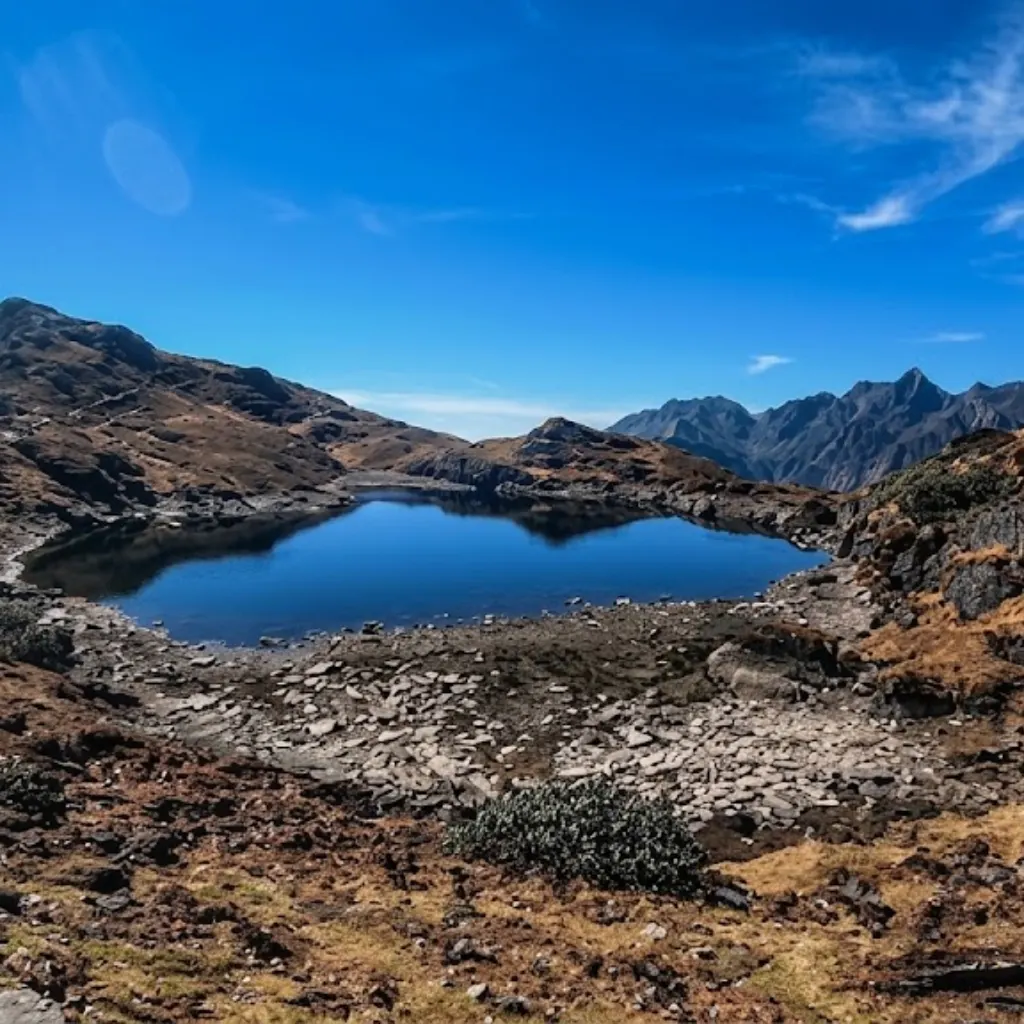
Tour Highlights
Twenty days of remote Himalayan trekking, quiet mountain trails, traditional villages and changing landscapes make the Makalu Base Camp Trek a challenging and memorable adventure in eastern Nepal.
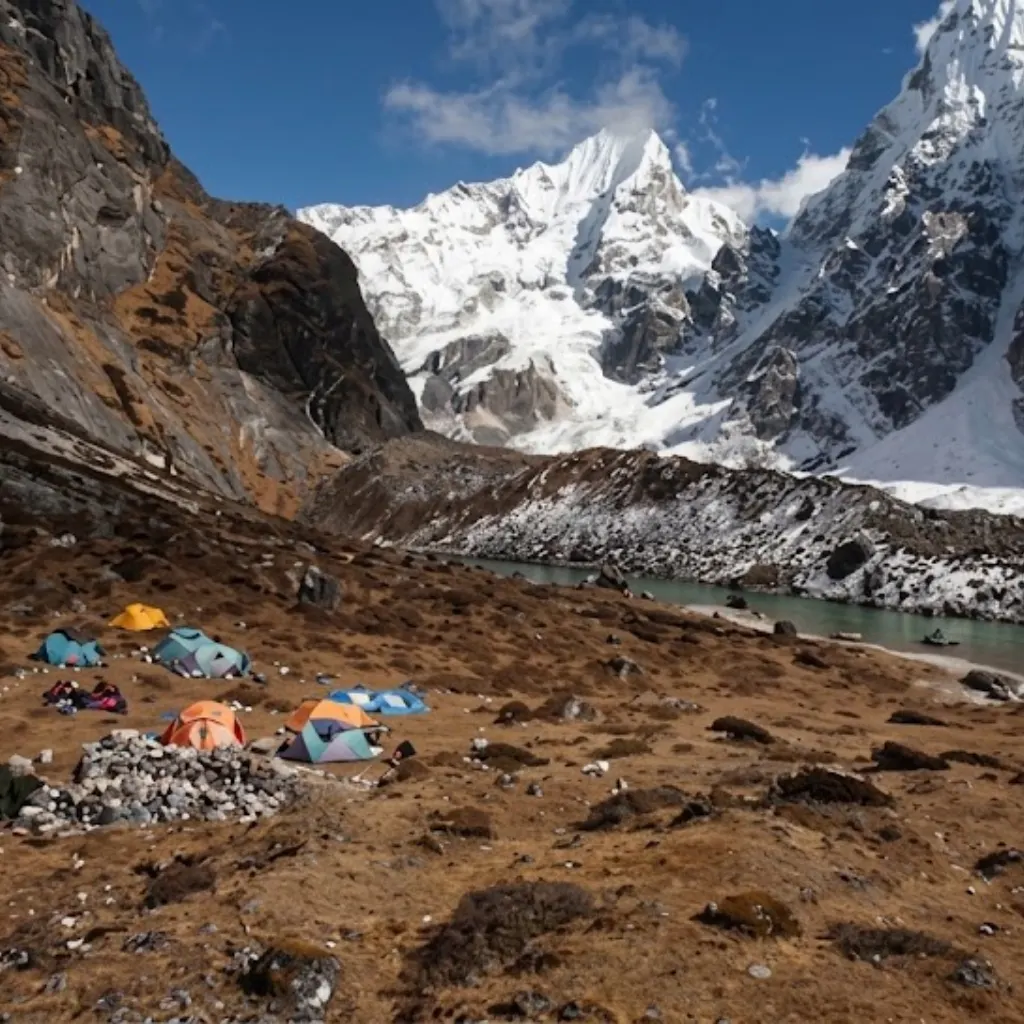
- Makalu Base Camp — 5,000 m / 16,404 ft: Reach the base camp of Mount Makalu (8,485 m) and stand beneath one of the world’s highest mountains.
- Makalu Barun National Park: Trek through a protected area where dense forests, deep valleys and high alpine terrain change gradually with elevation.
- Views of Makalu & Himalayan Peaks: See Makalu, Everest, Lhotse, Chamlang and Baruntse from different points along the trail.
- Shipton La Passes: Cross the rugged Shipton La Passes, one of the most challenging sections of the trek, with steep ascents and descents.
- Barun Valley: Follow the remote Barun Valley through dramatic cliffs, waterfalls, glaciers and untouched wilderness.
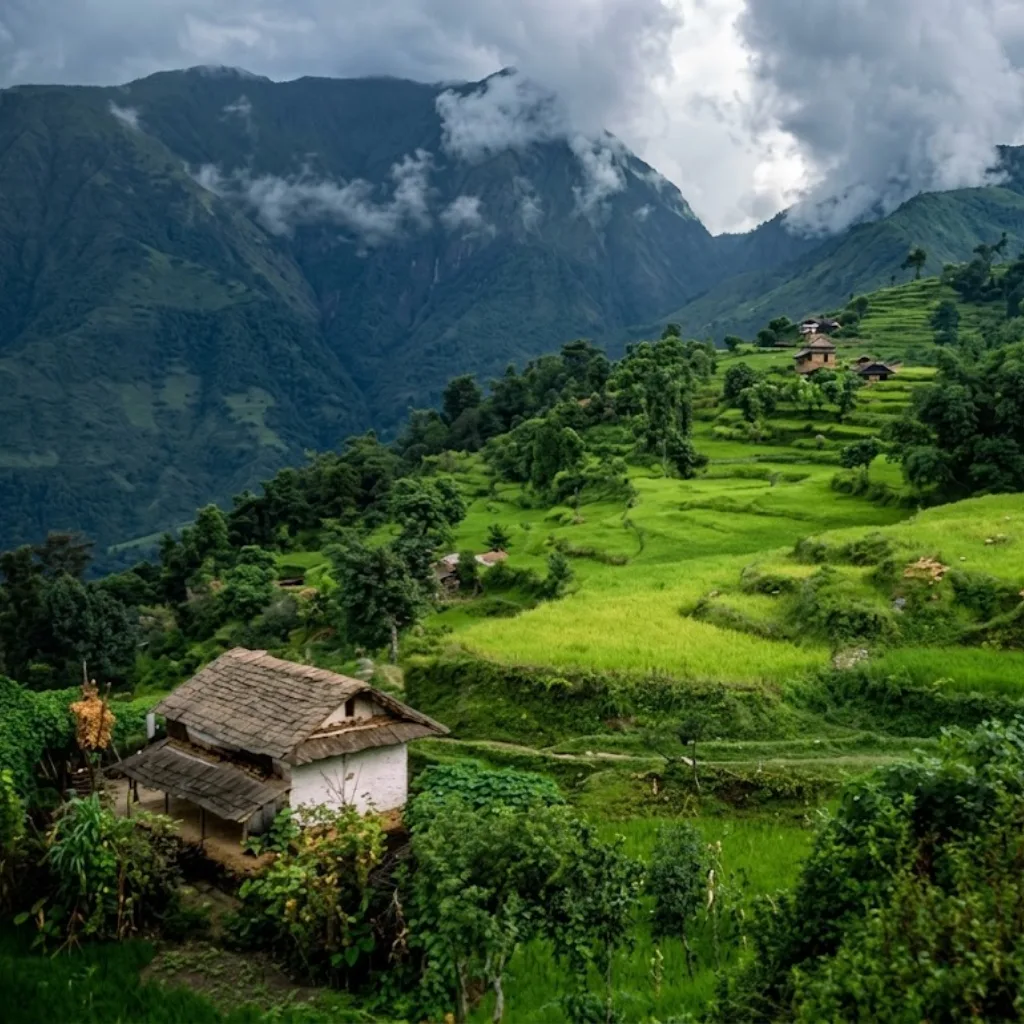
- Traditional Mountain Villages: Walk through Num, Seduwa, Tashigaon and Khongma Danda, where local communities and mountain life remain closely connected to the trail.
- Rhododendron & Alpine Forests: Pass through rhododendron, oak, pine and fir forests, with the scenery changing noticeably as you climb higher.
- Barun Glacier: Reach the upper Barun Valley and experience the rugged glacial surroundings on the way to Makalu Base Camp.
- Remote Himalayan Wilderness: Enjoy quieter trails and a true sense of wilderness away from Nepal’s busier trekking routes.
- A True High-Altitude Challenge: Take on long trekking days, steep sections and substantial elevation gain for a rewarding journey to Makalu Base Camp.
Makalu Base Camp Trek Overview
The Makalu Base Camp Trek is a 20-day trek in Nepal's Makalu-Barun region that takes you from the Arun Valley through remote mountain settlements, high Himalayan passes and dramatic alpine landscapes to Makalu Base Camp at 4,870 metres (15,978 feet). Graded strenuous, the trek combines long walking days, significant altitude gain and remote Himalayan terrain for a demanding journey into the foothills of Mount Makalu (8,485 m).
Starting with a flight from Kathmandu to Tumlingtar and a drive to Chichila, the route passes through Num, Seduwa and Tashi Gaon before climbing toward Khongma Danda. After an acclimatization day, the trail crosses Ghungru La (4,055 m) and Keke La (4,170 m) before entering the remote Barun Valley and continuing toward Makalu Base Camp.
The higher section of the trek brings changing landscapes, from forested trails and mountain villages to alpine terrain, rocky paths, glaciers and the dramatic surroundings of the Barun Glacier. At Makalu Base Camp, you have a dedicated exploration day with views toward Mount Makalu, Chamlang, Lhotse and the surrounding Himalayan peaks before retracing the route back toward Tumlingtar and Kathmandu.
What Makes the Makalu Base Camp Trek Special?
The Makalu Base Camp Trek stands out for its remote route and changing Himalayan landscapes. The journey begins around Chichila and gradually moves through forested hills and traditional mountain settlements before reaching the higher terrain around Khongma Danda.
One of the major highlights is crossing the Ghungru La at 4,055 m and Keke La at 4,170 m. These high passes mark the transition toward the more remote alpine environment of the Makalu region and make the route more demanding than shorter Himalayan treks.
The trail then enters the Barun Valley, where the landscape becomes increasingly rugged as you approach Makalu Base Camp. The route reaches 4,870 m, with the final section passing through rocky and glacial terrain around the Barun Glacier.
Another defining feature is the dedicated exploration day at Makalu Base Camp. Rather than reaching the destination and immediately turning around, the itinerary allows time to explore the surrounding area and take in views of Makalu, Chamlang, Lhotse and the Kangshung Face of Everest from the higher Himalayan landscape.
The return follows the same remote mountain corridor through Yangla Kharka, Dobato, Khongma Danda and Tashi Gaon, eventually retracing the route to Tumlingtar before the flight back to Kathmandu.
Why Choose the Makalu Base Camp Trek?
If you are looking for a long, challenging Himalayan trek away from Nepal's more established trekking routes, the Makalu Base Camp Trek offers an extended journey through remote mountain terrain and the Makalu-Barun landscape.
The route combines several different trekking experiences in one itinerary: traditional mountain villages, forest trails, high passes, alpine valleys, glacial landscapes and a full exploration day at Makalu Base Camp. The gradual progression from lower elevations toward 4,870 m also makes the journey feel like a genuine expedition into the high Himalayas.
With 20 days including an acclimatization day and return journey, this trek is suited to travellers who want more than a short Himalayan walk and are prepared for demanding terrain, long trekking days and considerable altitude gain.
Who Is This 20-Day Makalu Base Camp Trek Suitable For?
The 20-day Makalu Base Camp Trek is a suitable choice for:
- Trekkers looking for a strenuous Himalayan adventure
- Travellers interested in the remote Makalu-Barun region
- Experienced hikers comfortable with long and demanding trekking days
- Trekkers who want to reach Makalu Base Camp at 4,870 m
- Travellers interested in high-altitude passes such as Ghungru La and Keke La
- Adventurers who prefer remote mountain landscapes and fewer established trekking corridors
- Trekkers who want a longer Himalayan journey combining villages, forests, alpine terrain and glacial landscapes
Because the itinerary is graded strenuous, trekkers should be prepared for sustained uphill and downhill walking, high-altitude terrain and trekking days of up to around 7 hours on several sections of the route.
Quick Facts
Trek Fact | Details |
Trek Name | Makalu Base Camp Trek |
Duration | 20 days / 19 nights |
Region | Makalu-Barun Region, Nepal |
Maximum Altitude | 4,870 m / 15,978 ft at Makalu Base Camp |
Difficulty | Strenuous |
Main Highlight | Makalu Base Camp at 4,870 m |
High Passes | Ghungru La – 4,055 m; Keke La – 4,170 m |
Start / End | Kathmandu to Kathmandu |
Route | Kathmandu – Tumlingtar – Chichila – Num – Seduwa – Tashi Gaon – Khongma Danda – Dobato – Yangla Kharka – Langmale Kharka – Makalu Base Camp |
Typical Walking | 5–7 hours per day |
Best Season | Spring and Autumn |
Price From | USD 1,794.55 per person |
Accommodation | Teahouse lodges |
Acclimatization | 1 day at Khongma Danda |
Makalu Base Camp Trek Route and Elevation
The Makalu Base Camp Trek route takes you from the Arun Valley into Makalu-Barun National Park, passing through traditional villages, rhododendron forests, high passes and the remote Barun Valley. The journey begins with a flight from Kathmandu to Tumlingtar, followed by a drive to Chichila, where the trekking section starts.
From Chichila, the trail continues through Num, Seduwa and Tashi Gaon before climbing to Khongma Danda. After an acclimatization day, the route crosses Ghungru La and Keke La, continuing through Dobato, Yangla Kharka and Langmale Kharka before reaching Makalu Base Camp at 4,870 m / 15,978 ft.
After exploring the base camp, the trek retraces the route through the Barun Valley and over the high passes before descending toward Tashi Gaon, Seduwa and Num. A road journey then takes you to Tumlingtar for the flight back to Kathmandu.
Makalu Base Camp Trek Route at a Glance
Day | Trek Route | Altitude | Highlights |
Day 01 | Kathmandu → Tumlingtar → Chichila | 1,980 m / 6,496 ft | Flight, Arun Valley & scenic drive |
Day 02 | Chichila → Num | 1,040 m / 3,412 ft | Forest trail, Arun River & suspension bridge |
Day 03 | Num → Seduwa | 1,500 m / 4,921 ft | Steep sections, villages & national park |
Day 04 | Seduwa → Tashi Gaon | 2,100 m / 6,890 ft | Rhododendron forests & terraced farmland |
Day 05 | Tashi Gaon → Khongma Danda | 3,500 m / 11,482 ft | Steep climb, grazing pastures & ridge |
Day 06 | Acclimatization at Khongma Danda | 3,500 m / 11,482 ft | Rest day, short hike & Sherpa village |
Day 07 | Khongma Danda → Dobato | 3,500 m / 11,482 ft | Ghungru La, Keke La & high passes |
Day 08 | Dobato → Yangla Kharka | 3,557 m / 11,670 ft | Rhododendron forests & Barun River |
Day 09 | Yangla Kharka → Langmale Kharka | 4,410 m / 14,469 ft | Alpine terrain & yak pastures |
Day 10 | Langmale Kharka → Makalu Base Camp | 4,870 m / 15,978 ft | Barun Glacier & Makalu Base Camp |
Day 11 | Exploration of Makalu Base Camp | 4,870 m / 15,978 ft | Glaciers, lakes & surrounding peaks |
Day 12 | Makalu Base Camp → Yangla Kharka | 3,557 m / 11,670 ft | Barun Valley & descent |
Day 13 | Yangla Kharka → Dobato | 3,500 m / 11,482 ft | Forest trail & changing vegetation |
Day 14 | Dobato → Khongma Danda | 3,500 m / 11,482 ft | Return across the high passes |
Day 15 | Khongma Danda → Tashi Gaon | 2,100 m / 6,890 ft | Forest descent & mountain village |
Day 16 | Tashi Gaon → Seduwa | 1,500 m / 4,921 ft | Woodland trail & cultivated farmland |
Day 17 | Seduwa → Num | 1,040 m / 3,412 ft | Final trekking section & Arun Valley |
Day 18 | Num → Chichila → Tumlingtar | 1,980 m / 6,496 ft | Jeep journey & return to Tumlingtar |
Day 19 | Tumlingtar → Kathmandu | 1,300 m / 4,265 ft | Flight back to Kathmandu |
Day 20 | Departure from Kathmandu | — | Airport transfer & journey home |
Makalu Base Camp Trek Elevation Profile
The trek begins at Chichila (1,980 m) and gradually gains altitude through Seduwa, Tashi Gaon and Khongma Danda before reaching the higher passes. After the acclimatization day, the trail continues through Dobato and Yangla Kharka to Langmale Kharka at 4,410 m.
The highest point is Makalu Base Camp at 4,870 m / 15,978 ft, reached after crossing increasingly rugged terrain in the upper Barun Valley. The return journey follows the same high-altitude section before descending toward the lower villages.
The gradual ascent, acclimatization day and descent pattern make the elevation profile an important part of understanding the physical demands of the 20-day Makalu Base Camp Trek.
Difficulty Note: The Makalu Base Camp Trek is a challenging trek involving long walking days, steep ascents, high passes and elevations of up to 4,870 m. Good fitness, proper acclimatization and steady pacing are important for completing the route comfortably.
How to Get to the Makalu Base Camp Trek
The Makalu Base Camp Trek begins with a flight from Kathmandu to Tumlingtar, followed by a road journey to Chichila, the starting point of the trekking route. This combination of flight and overland travel provides the main access to the remote Makalu region.
If you are arriving in Nepal on an international flight, it is best to allow some buffer time in Kathmandu before starting the trek. Flight schedules and road conditions can change, so keeping some flexibility in your itinerary is useful.
Kathmandu to Tumlingtar: Flight
The quickest way to reach the Makalu region is to fly from Kathmandu to Tumlingtar Airport. The flight takes around 35–45 minutes, depending on operating conditions.
Tumlingtar is the main air access point for the Makalu Base Camp Trek. From the airport, the journey continues by road toward Chichila, where the trekking route begins.
Tumlingtar to Chichila
After arriving in Tumlingtar, you continue by private vehicle or local jeep toward Chichila. The drive follows the roads through the Arun Valley and gradually reaches the foothills of the Makalu region.
Chichila is located at approximately 1,980 m / 6,496 ft and serves as the starting point for the main trekking section. From here, the trail continues toward Num, Seduwa and Tashi Gaon.
Road travel time can vary depending on weather, road conditions and local traffic, so it is better to treat the journey duration as approximate.
Returning to Kathmandu After the Trek
After completing the trek, the route descends toward Num, followed by a road journey through Chichila to Tumlingtar. From Tumlingtar, you take a domestic flight back to Kathmandu.
The return journey can take longer than expected if road conditions change, so keeping your schedule flexible is particularly useful when you have an onward international flight.
A Practical Tip for International Travellers
If you are connecting the Makalu Base Camp Trek with an international departure, avoid planning your return to Kathmandu too close to your flight home. Allowing extra time provides a buffer for possible flight or road delays.
Arranging the Kathmandu–Tumlingtar flight and Tumlingtar–Chichila transportation as part of your trekking package also makes the approach simpler, especially for first-time visitors to the Makalu region.
Makalu Base Camp Trek Difficulty, Fitness & Altitude
The Makalu Base Camp Trek is graded strenuous and is best suited to trekkers who are comfortable with long walking days, steep climbs and high-altitude terrain. The route reaches Makalu Base Camp at 4,870 m / 15,978 ft and includes demanding sections such as the climb to Khongma Danda and the crossings of Ghungru La and Keke La. An acclimatization day at Khongma Danda is included before continuing into the higher Barun Valley.
Most full trekking days involve around 5–7 hours of walking, with some sections featuring steep ascents, rocky trails and significant elevation gain. You do not need technical mountaineering experience, but good fitness, preparation and a steady pace are important, particularly above 4,000 m.
Where Is the Trek Most Challenging?
The difficulty of the Makalu Base Camp Trek builds gradually rather than coming from one single section.
The climb from Tashi Gaon to Khongma Danda is one of the first demanding days, with a sustained ascent to 3,500 m. The following acclimatization day allows your body to adjust before the route moves into higher terrain.
Another demanding section comes between Khongma Danda and Dobato, where the trail crosses Ghungru La at 4,055 m and Keke La at 4,170 m. Later, the route climbs from Yangla Kharka to Langmale Kharka at 4,410 m, followed by the final approach to Makalu Base Camp.
The trail becomes more rugged near base camp, with rocky and moraine sections and possible snow or ice depending on conditions. Careful footing is important on loose or slippery terrain.
How to Prepare for the Makalu Base Camp Trek
You do not need technical mountaineering experience, but you should arrive with a good level of walking fitness. Regular uphill walking, cardiovascular exercise and leg-strength training are useful preparation.
- Walk regularly: Aim for 3–4 walking sessions each week and gradually increase the duration.
- Train on hills and stairs: Include uphill and downhill walking to prepare for steep sections.
- Build leg strength: Squats, lunges, step-ups and calf raises can help prepare for repeated climbs and descents.
- Include longer walks: Complete several 4–6 hour walks before departure to become comfortable with extended activity.
- Practise with your trekking shoes: Break in your footwear before the trek and use it during longer training walks.
- Prepare for cold conditions: Pack suitable layers, gloves, a warm hat and other cold-weather clothing for the higher sections.
- Prioritize recovery: Good sleep, regular meals and adequate rest are important before and during the trek.
How Difficult Is Makalu Compared with Shorter Treks?
The Makalu Base Camp Trek is considerably more demanding than shorter Himalayan routes such as Poon Hill. The main differences are the 20-day itinerary, longer walking days, remote trails, high passes and maximum altitude of 4,870 m.
The route also becomes more isolated as it enters the upper Barun Valley. After Langmale Kharka, the terrain is increasingly rocky and alpine, with the approach to base camp requiring careful movement over uneven ground.
This trek is best suited to travellers with some experience in multi-day hiking or those who have prepared specifically for a long, high-altitude trek.
Altitude, Acclimatization & Safety
The Makalu Base Camp Trek starts at Chichila at 1,980 m and gradually climbs toward Makalu Base Camp at 4,870 m. The itinerary includes an acclimatization day at Khongma Danda (3,500 m) before crossing the higher passes and continuing toward Langmale Kharka and base camp.
Altitude becomes an increasing consideration as you climb higher. Walk at a comfortable pace, stay hydrated, eat regularly and communicate with your guide if you feel unwell.
Makalu Base Camp Trek Altitude Profile
- Chichila — 1,980 m / 6,496 ft: Starting point of the main trekking section.
- Num — 1,040 m / 3,412 ft: Lower section of the route before climbing toward Seduwa.
- Seduwa — 1,500 m / 4,921 ft: Mountain settlement on the route toward Tashi Gaon.
- Tashi Gaon — 2,100 m / 6,890 ft: Traditional village before the climb to Khongma Danda.
- Khongma Danda — 3,500 m / 11,482 ft: Acclimatization point before the higher passes.
- Ghungru La — 4,055 m / 13,304 ft: First major high pass on the route to Dobato.
- Keke La — 4,170 m / 13,681 ft: Second high pass before descending toward Dobato.
- Langmale Kharka — 4,410 m / 14,469 ft: High-altitude stopping point before base camp.
- Makalu Base Camp — 4,870 m / 15,978 ft: Highest point and main destination of the trek.
How the Body Adapts to Altitude
As you climb higher, air pressure decreases and less oxygen is available. Your body needs time to adjust, which is why the itinerary includes an acclimatization day at Khongma Danda before the higher sections.
The practical approach is simple: walk slowly, stay hydrated, eat well, rest when needed and communicate with your guide if you feel unwell. Avoid trying to maintain a fast pace simply to reach the day's destination early.
Symptoms of Altitude Sickness to Watch For
Mild acute mountain sickness (AMS) can include:
- Headache
- Nausea or reduced appetite
- Unusual tiredness
- Dizziness
- Difficulty sleeping
Tell your trekking guide if these symptoms appear, particularly if they persist or become worse. More serious warning signs can include:
- Severe or persistent headache
- Repeated vomiting
- Confusion or unusual behaviour
- Difficulty walking or poor coordination
- Shortness of breath while resting
If serious altitude-related symptoms develop, do not continue ascending. Descending to a lower altitude and seeking appropriate medical assistance are important responses to suspected serious altitude illness.
How Nepal Lion Tours Supports Altitude Safety
- Planned acclimatization: The itinerary includes a dedicated acclimatization day at Khongma Danda (3,500 m) before the higher passes.
- Gradual ascent: The route progresses through Chichila, Num, Seduwa, Tashi Gaon and Khongma Danda before reaching the higher sections.
- Trekking guide support: Your guide accompanies you throughout the trek and can help monitor how you are responding to the altitude.
- Early communication: Report headaches, nausea, dizziness, unusual fatigue or other concerning symptoms instead of trying to push through them.
- Steady pacing: Take regular breaks and adjust your walking speed as the altitude increases.
- Travel insurance: Carry appropriate travel insurance that covers high-altitude trekking and the medical or evacuation expenses relevant to your policy.
Best Time to Trek Makalu Base Camp
The best time for the Makalu Base Camp Trek is generally autumn (September–November) and spring (March–May). Autumn usually brings clearer skies, stable weather and good visibility, while spring offers comfortable trekking conditions and blooming rhododendrons in the lower forests. Because the route reaches 4,870 m / 15,978 ft and crosses high passes, weather conditions are more important here than on lower-altitude treks.
The trek is possible in other seasons, but winter can bring snow and freezing temperatures in the higher sections, while the monsoon brings heavy rainfall, muddy trails, cloud cover and possible travel disruptions.
Season | Months | Weather & Trail Conditions | Overall |
Autumn | September–November | Generally dry, stable and mild at lower elevations | Best overall |
Spring | March–May | Mild, with blooming rhododendrons | Highly recommended |
Winter | December–February | Cold; snow and freezing conditions possible at higher elevations | Challenging |
Monsoon | June–August | Wet, humid and often slippery | Less suitable |
Autumn — September to November
Autumn is the best overall season for the Makalu Base Camp Trek, particularly October and November. Post-monsoon conditions generally bring clearer skies, drier trails and good visibility across the Makalu and surrounding Himalayan peaks.
The more stable weather is especially useful when crossing Ghungru La and Keke La and trekking through the upper Barun Valley. October and November are also popular months, so accommodation and flights should be arranged in advance.
Spring — March to May
Spring is another excellent season for the Makalu trek, especially March and April. Temperatures are generally comfortable for walking at lower and middle elevations, while rhododendrons begin to bloom along the forested sections of the route.
As you climb toward Langmale Kharka and Makalu Base Camp, conditions become colder and more alpine. Clear mornings can provide good views before clouds develop later in the day.
Winter — December to February
Winter brings colder conditions and more challenging high-altitude sections. Snow and freezing temperatures are possible around the high passes, Langmale Kharka and Makalu Base Camp, while shorter daylight hours can make trekking more demanding.
Experienced trekkers with suitable winter equipment may still undertake the trek, but conditions can change quickly at higher elevations. Additional preparation is important during this season.
Monsoon — June to August
Monsoon is the least favourable season for the Makalu Base Camp Trek. Heavy rainfall can make trails muddy and slippery, while cloud cover frequently reduces mountain visibility. Leeches can also be common in the forested lower sections.
Rain can affect road travel between Tumlingtar and Chichila, while wet conditions may make the already remote trail more difficult. Trekkers choosing this period should be prepared for changing weather and limited visibility.
Which Season Should You Choose?
Choose autumn if clear skies, stable conditions and Himalayan views are your priority. Choose spring for comfortable trekking weather and rhododendron blooms. Winter is more suitable for experienced trekkers prepared for snow and freezing temperatures, while monsoon is best for those comfortable with wet conditions and reduced visibility.
Because the Makalu Base Camp Trek reaches 4,870 m and crosses several high passes, conditions can vary significantly between the lower valleys and upper Barun Valley. Checking the weather forecast and trail conditions shortly before departure is recommended regardless of the season.
Makalu Base Camp Trek Permits & Regulations
The Makalu Base Camp Trek enters Makalu-Barun National Park and follows a route for which trekkers must have the applicable park entry permit and TIMS (Trekkers' Information Management System) registration. The current Nepal Tourism Board specifically lists the Makalu Basecamp Trek among routes where trekkers must be accompanied by a licensed trekking guide and carry a trekking-agency-issued TIMS card.
Because the route also passes through areas of Sankhuwasabha, additional local-area requirements may apply depending on the exact trekking route and current regulations. Nepal Lion Tours can arrange the required permits and registrations as part of the trek preparation, so you do not need to manage the application process independently.
Makalu Base Camp Trek Permits at a Glance
Requirement | Who Needs It? | Who Arranges It? |
Makalu-Barun National Park Entry Permit | Trekkers entering the national park | Nepal Lion Tours |
TIMS Card | Trekkers on the Makalu Base Camp route | Nepal Lion Tours |
Applicable Local Permit | Trekkers entering designated local areas where required | Nepal Lion Tours |
Permit fees and regulations can be revised by the relevant authorities. Confirm the applicable requirements and charges before departure.
Makalu-Barun National Park Entry Permit
The Makalu-Barun National Park Entry Permit is required because the trekking route passes through the protected area. Current Nepal Tourism Board information lists the entry fee for Makalu-Barun National Park as NPR 3,000 for foreign nationals, NPR 1,500 for SAARC nationals and NPR 100 for Nepali citizens.
The permit should be obtained before entering the protected area, and trekkers should keep the permit available during the trek in case it is checked.
What you need:
- Valid passport or identification
- Applicable national park entry fee
- Permit documentation arranged before entering the park
For guests travelling with Nepal Lion Tours, the park permit is handled as part of the trek preparation according to the current regulations.
TIMS Card for the Makalu Base Camp Trek
The TIMS Card records trekker and route information and is mandatory for the Makalu Base Camp Trek under the current TIMS provisions. The Nepal Tourism Board also requires trekkers on this route to be accompanied by a licensed trekking guide and to obtain TIMS through a registered trekking agency.
For the current system, TIMS charges are listed as NPR 1,000 for SAARC nationals and NPR 2,000 for other foreign nationals. Fees can change, so the applicable amount should be confirmed when the trek is booked.
Nepal Lion Tours handles the applicable TIMS registration and provides the guide required for the route.
Is a Restricted-Area Permit Required?
The standard Makalu Base Camp Trek does not follow the same restricted trekking routes as destinations such as Upper Mustang or the Manaslu restricted area. However, the current Nepal Tourism Board trekking-permit information lists specific areas of Bhotkhola Rural Municipality and Makalu Rural Municipality in Sankhuwasabha with applicable local permit fees.
Because permit requirements can depend on the exact route and current local regulations, your trekking agency should confirm whether any additional local permit applies to your specific itinerary before departure.
Who Arranges the Permits?
When you book the Makalu Base Camp Trek with Nepal Lion Tours, the trekking team can arrange the required Makalu-Barun National Park permit, TIMS registration and any applicable local permits as part of the pre-trek preparation.
You should carry your original passport during the trek because it may be required for identification or permit checks.
Government fees and trekking regulations can change, so the final permit requirements and charges should always be confirmed before departure.
Food & Accommodation on the Makalu Base Camp Trek
Accommodation and meals are an important part of the Makalu Base Camp Trek experience. The route passes through remote mountain villages where teahouses and basic trekking lodges provide the main places to stay and eat.
Facilities are generally more basic than on popular trekking routes such as Everest or Annapurna, particularly as you move toward Makalu Base Camp. You can expect simple rooms, shared facilities and locally prepared meals designed to keep you comfortable and energized during long trekking days.
Teahouse Accommodation on the Makalu Base Camp Trek
You will generally stay in local teahouses or trekking lodges in twin-sharing rooms. Accommodation becomes simpler as the trail moves farther into the remote Barun Valley, so it is best to expect practical mountain lodging rather than hotel-style facilities.
Typical facilities include:
- Twin-sharing rooms with basic beds, mattresses and blankets.
- Shared bathrooms at most teahouses.
- Hot showers are available, usually for an additional charge.
- Basic electricity and charging facilities, which may be limited in remote villages.
- Dining areas where trekkers can eat, rest and warm up during colder evenings.
- Simple bedding suited to the conditions at each overnight stop.
- More basic accommodation in the higher sections toward Makalu Base Camp.
Tashi Gaon and Khongma Danda have basic teahouse facilities, while accommodation becomes increasingly limited around Dobato, Yangla Kharka and Langmale Kharka. At higher elevations, facilities are simple and availability can depend on weather, season and local operating conditions.
Because the Makalu route is less developed than Nepal's major trekking circuits, flexibility is important. Your trekking team will coordinate accommodation according to the itinerary and available lodges.
What Food Is Available on the Makalu Base Camp Trek?
Food along the Makalu Base Camp Trek is mainly simple, filling and locally prepared. Teahouses serve familiar Nepali meals along with basic trekking dishes, although the variety becomes more limited in the higher and more remote sections.
Popular options include:
- Dal bhat with rice, lentils, vegetables and pickle
- Momos
- Noodles and noodle soup
- Fried rice
- Pasta
- Soups
- Potatoes
- Eggs
- Porridge
- Pancakes
- Toast and other simple breakfast options
Dal bhat is one of the most practical meals on the trek because it provides a filling combination of rice, lentils and vegetables. It is widely available and can be especially useful after longer walking days.
Vegetarian meals are generally available along the route. If you follow a vegan, gluten-free or other specific diet, inform Nepal Lion Tours before departure so your guide can communicate your requirements to the teahouses. Food choices can be more limited in the remote upper sections, so advance notice is helpful.
What Food and Accommodation Are Included?
For the Makalu Base Camp Trek 20 Days package, accommodation and meals are provided according to the package inclusions during the trekking section.
Included in the Trek Package | Usually Paid Separately |
Teahouse accommodation during the trek | Bottled drinks |
Breakfast, lunch and dinner on trek days | Alcoholic beverages |
Twin-sharing accommodation | Snacks and desserts |
Meals as specified in the package | Hot showers are charged |
Guide and trekking arrangements | Device charging where fees apply |
Basic trekking lodge services | Personal expenses and tips |
Always check the final package inclusions at booking, as lodge facilities and available services can vary along this remote trekking route.
Drinking Water on the Trek
Safe drinking water is important throughout the Makalu Base Camp Trek. Do not assume that untreated tap, stream or spring water is safe to drink.
Water can usually be obtained from teahouses or local sources and treated before drinking. Carry a reusable bottle and use a water filter, purification tablets or another reliable treatment method according to your needs.
Drink regularly throughout the day, particularly during long climbs and at higher elevations. Carrying enough water capacity is especially useful on more remote sections where refill options may be limited.
A reusable bottle also helps reduce single-use plastic waste along the trekking route.
Staying Comfortable at Teahouses
A few simple preparations can make your evenings more comfortable during the Makalu Base Camp Trek:
- Carry a reusable water bottle or hydration system.
- Bring a suitable sleeping bag for the colder and higher sections.
- Carry a power bank because charging facilities can be limited or unavailable.
- Keep some Nepalese rupees for showers, charging, snacks and drinks.
- Pack warm layers for cold mornings and evenings.
- Bring personal toiletries and other basic items you may need at remote lodges.
- Inform your guide about dietary requirements before the trek begins.
The Makalu Base Camp Trek combines simple teahouse accommodation with the experience of staying in remote Himalayan communities. As the trail climbs from Chichila and Tashi Gaon into the Barun Valley, facilities become more basic, but warm meals, a place to rest and the quiet atmosphere of the mountain villages become an important part of the journey.
Why Book with Nepal Lion Tours?
A Makalu Base Camp Trek requires more than simply following a trail. The long itinerary, remote villages, high passes and limited facilities in the upper Barun Valley make good planning and reliable coordination important. Nepal Lion Tours organizes the trek with a structured itinerary, local trekking support and the practical arrangements needed for the journey.
- Experienced, licensed English-speaking guides
Your trek is accompanied by a government-licensed trekking guide who speaks English. A local guide can help you understand the route, manage the pace, communicate at teahouses and navigate changing trail conditions as you move from the lower Arun Valley toward Makalu Base Camp.
- A registered local trekking company
Nepal Lion Tours is a Kathmandu-based trekking company serving travellers in Nepal. Working with a local operator gives you a direct contact point for trek preparation, permits, transportation and other arrangements before and during your Makalu Base Camp Trek.
- Private departures with flexible arrangements
The 20-day Makalu Base Camp Trek can be arranged as a private trip, allowing the itinerary and departure dates to be planned around your travel schedule. Private trekking also gives your group more flexibility with walking pace and daily arrangements.
- Carefully planned high-altitude itinerary
The itinerary is designed to build altitude gradually, with an acclimatization day at Khongma Danda (3,500 m) before crossing the higher passes. The route then continues through Dobato, Yangla Kharka and Langmale Kharka before reaching Makalu Base Camp at 4,870 m.
- Permits and trek logistics handled for you
Required trekking documentation, including the Makalu-Barun National Park entry permit and TIMS registration, can be arranged by Nepal Lion Tours as part of the trek preparation. The team also coordinates the Kathmandu–Tumlingtar flight, road transfer to Chichila and return transportation according to the itinerary.
- Accommodation and meals arranged along the remote route
Teahouse accommodation and meals are arranged throughout the trekking section according to the package inclusions. As facilities become more basic in the upper Barun Valley, having the accommodation and meal arrangements coordinated in advance makes the long trek easier to manage.
- A package built around the full Makalu experience
The itinerary takes you beyond the popular lower trails into Makalu-Barun National Park, the Barun Valley and Makalu Base Camp. You experience traditional mountain villages, forest trails, high passes and remote Himalayan terrain as part of one carefully planned journey.
- Direct local support before and during the trek
From your first inquiry to the end of the trek, Nepal Lion Tours provides a local point of contact for questions about preparation, permits, transportation and the itinerary. This makes it easier to clarify practical details before setting out on a demanding trek in one of Nepal's more remote regions.
Book the Makalu Base Camp Trek
Ready to trek into the remote Barun Valley and stand beneath Mount Makalu? The 20-day Makalu Base Camp Trek takes you from Kathmandu through the Arun Valley, Makalu-Barun National Park, traditional mountain villages and high Himalayan terrain before reaching Makalu Base Camp at 4,870 m / 15,978 ft.
Trek at a Glance
- Duration: 20 days / 19 nights
- Difficulty: Strenuous
- Maximum Altitude: 4,870 m at Makalu Base Camp
- Accommodation: Teahouse lodges
- Meals: Breakfast, lunch and dinner during the trek
- Permits & Registration: Makalu-Barun National Park entry permit, TIMS and applicable local permits
- Transportation: Kathmandu–Tumlingtar flight, road transfers and trekking transportation as outlined in the itinerary
- Guide: Licensed English-speaking trekking guide
- Acclimatization: Acclimatization day at Khongma Danda
- Route: Chichila, Num, Seduwa, Tashi Gaon, Khongma Danda, Dobato, Yangla Kharka, Langmale Kharka and Makalu Base Camp
Ready to Start Your Makalu Adventure?
Secure your Makalu Base Camp Trek dates with Nepal Lion Tours today. Send us your preferred travel date and group size through the booking form or WhatsApp at +977-9851039020. Our team can help you confirm the itinerary, permits, transportation, accommodation and other arrangements before departure.
Whether you are travelling with friends, as a private group or looking for a challenging Himalayan trek, we can help you prepare for the journey from Kathmandu to Makalu Base Camp and back.
Choose your dates and start planning your Makalu Base Camp Trek today.
Related Nepal Treks
If the Makalu Base Camp Trek interests you, these related trekking adventures offer different combinations of altitude, duration, scenery and cultural experiences across Nepal. Whether you want a shorter Himalayan trek or another demanding high-altitude journey, you can choose a route that fits your available time and trekking experience.
Trek | Duration | Difficulty | Max Altitude | Best For |
Poon Hill Hot Spring Trekking | 5 days | Easy–Moderate | 3,210 m | A short trek combining a Himalayan sunrise with the Jhinu Danda hot springs |
Annapurna Base Camp Trek | 9 days | Moderate | 4,130 m | Reaching the heart of the Annapurna mountain amphitheatre |
Manaslu and Tsum Valley Trekking | 16 days | Challenging | 5,106 m | Remote villages, Tibetan-influenced culture and high Himalayan trails |
Nar Phu Valley Trekking | 16 days | Challenging | 5,416 m | Remote mountain valleys, Tibetan culture and high-pass crossings |
Everest Base Camp Trek | 14 days | Moderate–Challenging | 5,364 m | A classic Himalayan journey to the base camp of Mount Everest |
If you want a shorter and more accessible trek, the Poon Hill Hot Spring Trek offers a compact Himalayan experience. For a higher-altitude challenge, Annapurna Base Camp and Everest Base Camp provide different routes to iconic mountain destinations.
For a more remote experience, Manaslu and Tsum Valley and Nar Phu Valley combine high-altitude trekking with quieter trails and distinctive Himalayan cultures. Each trek has different altitude, terrain and logistical requirements, so choosing according to your available time and trekking experience is important.
Trip Essentials
Packing advice, required equipment & gear recommendations
Essential
Makalu Base Camp Trek Packing List
Packing for the Makalu Base Camp Trek requires more preparation than for shorter lower-altitude treks. The route climbs from Chichila at 1,980 m to Makalu Base Camp at 4,870 m, passing through warm lower valleys, forested trails, high passes and cold alpine terrain.
The most practical approach is to use a layering system and pack equipment that can handle rain, cold, long walking days and changing conditions. Nepal Lion Tours provides a down jacket, sleeping bag, duffel bag and trekking map according to the package inclusions, so you do not need to bring these items yourself unless you prefer to use your own.
Essential Trekking Gear
- Trekking boots with good ankle support and reliable grip. Break them in before the trek.
- Trekking poles for steep climbs, descents and uneven sections around the high passes.
- A 30–40 litre daypack with a rain cover for daily essentials.
- Reusable water bottles or a hydration system with sufficient capacity for long trekking days.
- Water purification tablets, a filter or another reliable treatment method.
- Headlamp with spare batteries for early starts and use around basic teahouses.
- Small dry bags or waterproof pouches for electronics, documents and other valuables.
- Lightweight gaiters if preferred for muddy, snowy or loose sections.
- Sunglasses and protective eyewear suitable for strong sunlight at higher elevations.
Clothing: Build a Flexible Layering System
Conditions change considerably between the lower Arun Valley and the upper Barun Valley. Rather than carrying bulky clothing, use several layers that can be added or removed throughout the day.
Base layers
- 2 lightweight thermal tops.
- 1–2 thermal bottoms for colder sections.
- Merino wool or synthetic fabrics that dry quickly.
- Avoid relying heavily on cotton, which stays damp longer.
Mid-layers
- 1–2 fleece or warm mid-layers.
- 1 insulated jacket or puffer for cold mornings and evenings.
Outer layers
- 1 waterproof and wind-resistant jacket with a hood.
- Waterproof trekking trousers or rain pants.
- A warm outer layer suitable for temperatures around the high passes and base camp.
Trekking clothes
- 2–3 pairs of trekking trousers.
- 4–5 trekking shirts.
- 5–7 pairs of trekking socks.
- Comfortable clothing for sleeping and relaxing in teahouses.
Headwear and gloves
- Warm beanie or fleece hat.
- Sun hat or cap.
- Warm gloves and an additional pair suitable for colder high-altitude conditions.
- Buff or neck gaiter for wind, dust, sun and cold.
You do not need to bring a large wardrobe. A small collection of warm, quick-drying and versatile layers is more practical for a 20-day trek.
Sleeping and Teahouse Comfort
Accommodation along the Makalu Base Camp Trek is mainly in basic teahouses and trekking lodges. Facilities become simpler in the higher sections, so a few personal comfort items are useful.
- Sleeping bag — provided by Nepal Lion Tours according to the package inclusions.
- Sleeping-bag liner for additional warmth or personal comfort.
- Earplugs for shared teahouse environments.
- Eye mask if you prefer to sleep in brighter rooms.
- Lightweight sandals or camp shoes for use inside teahouses.
- Quick-dry towel.
Toiletries and Personal Health Items
Keep personal items compact because you will be carrying your daily essentials throughout the trek.
- Sunglasses with good UV protection.
- Sunscreen and SPF lip balm.
- Personal medications and prescriptions.
- Small personal first-aid kit.
- Blister plasters or blister treatment.
- Basic pain relief if you normally use it.
- Rehydration salts if needed.
- Toothbrush and toothpaste.
- Biodegradable soap or small body wash.
- Hand sanitiser.
- Wet wipes and tissues.
- Toilet paper.
- Personal hygiene products as required.
If you take regular medication, carry enough for the entire trek and keep it in your daypack rather than your main luggage.
Electronics and Power
Electricity and charging facilities can become limited as you move into the more remote sections of the route.
- Mobile phone and charging cable.
- Power bank, preferably around 10,000–20,000 mAh.
- Camera and spare batteries if you want to photograph the Makalu region.
- Universal travel adapter if required for your devices.
- Extra memory card if using a camera extensively.
Charging may be available at some teahouses for an additional fee, but it is better not to depend on regular access to electricity. Keep important electronics protected from moisture and cold.
Documents and Money
Keep your important documents protected and accessible throughout the trek.
- Passport and copies of important travel documents.
- Travel insurance details and your insurer's contact information.
- Copies or digital records of your trekking permits where available.
- Sufficient Nepalese rupees in smaller denominations for personal expenses such as drinks, snacks, showers, charging and tips.
- Emergency contact information stored on your phone and separately.
Nepal Lion Tours handles the required Makalu-Barun National Park entry permit, TIMS registration and applicable local permits according to the current regulations and package arrangements.
How Much Should You Pack?
For a 20-day Makalu Base Camp Trek, packing efficiently is more important than carrying a large amount of clothing. You need equipment for a wide range of conditions, but many items can be reused or layered.
Avoid unnecessary shoes, heavy clothing, excessive toiletries and items that you are unlikely to use. Keep frequently needed items such as water, snacks, rain gear, sunscreen, extra layers and valuables in your daypack.
Your main belongings can be carried separately according to the porter and baggage arrangements included in your package. Confirm the applicable baggage allowance with Nepal Lion Tours before departure, particularly for the Kathmandu–Tumlingtar flight.
The goal is to pack for changing conditions, not every possible situation. Prioritize reliable footwear, warm layers, rain protection, hydration, personal medication and the equipment you genuinely need for a long high-altitude trek.
Read Before You Book
Permits, terms, medical considerations & advisory guidelines
Advisory
What to Know Before Booking
The Makalu Base Camp Trek is a 20-day strenuous trek through one of Nepal's more remote trekking regions. The route combines long walking days, basic mountain accommodation, high passes and an ascent to Makalu Base Camp at 4,870 m. A little preparation before booking will help you arrive with realistic expectations and the right equipment.
Accommodation and Facilities
You will stay mainly in local teahouses and trekking lodges, generally in twin-sharing rooms with basic bedding and shared bathrooms. Facilities become simpler as you move from Tashi Gaon and Khongma Danda toward Dobato, Yangla Kharka and Langmale Kharka.
Hot showers and device charging may be available at some lodges for an additional fee, but facilities are not consistent throughout the route. Carry a power bank, basic toiletries and some Nepalese rupees for personal expenses.
Food and Dietary Requirements
Meals on the Makalu Base Camp Trek are generally simple and filling, with dal bhat, noodles, rice, pasta, soups, eggs, potatoes and porridge commonly available at teahouses.
Food choices become more limited in the higher and more remote sections. Vegetarian meals are generally available, but if you are vegan, gluten-free or have a food allergy, inform Nepal Lion Tours before departure so suitable arrangements can be discussed with the trekking team.
Altitude, Health and Insurance
The trek reaches 4,870 m at Makalu Base Camp and crosses high passes including Ghungru La (4,055 m) and Keke La (4,170 m). The itinerary includes an acclimatization day at Khongma Danda (3,500 m) before the route moves into higher terrain.
Walk at a comfortable pace, stay hydrated and pay attention to how your body responds to the altitude. Tell your guide if you develop persistent headache, dizziness, nausea, unusual tiredness or other concerning symptoms.
Travel insurance is strongly recommended for the trek. Make sure your policy covers high-altitude trekking in Nepal and check its altitude limits, medical treatment and evacuation provisions before travelling.
Money and Personal Expenses
Carry enough Nepalese rupees in smaller denominations for personal expenses such as drinks, snacks, hot showers, charging and tips. Card payments and ATM access are limited once you leave the main towns.
It is better to carry the cash you are likely to need before entering the more remote sections of the route. Keep your money and important documents protected and accessible during the trek.
Culture and Responsible Trekking
The Makalu Base Camp Trek passes through traditional mountain communities in the Arun Valley and Makalu region. Respect for local people, their culture and the natural environment helps preserve the character of the trail.
A few simple habits make a difference:
- Ask before photographing local people.
- Dress respectfully in villages and around religious sites.
- Follow local customs when visiting monasteries, temples or shrines.
- Carry your rubbish until you reach an appropriate disposal point.
- Use reusable water bottles where practical.
- Avoid disturbing wildlife, plants and natural surroundings.
- Support locally operated teahouses and shops where possible.
Route and Trekking Conditions
The Makalu Base Camp route begins with a flight from Kathmandu to Tumlingtar, followed by a road journey to Chichila. From there, the trail passes through Num, Seduwa, Tashi Gaon and Khongma Danda before entering the higher Barun Valley.
The route becomes progressively more remote after Khongma Danda. Expect steep ascents, rocky trails, high passes and uneven terrain, particularly around the upper sections of the trek.
This is not a technical climbing expedition, but good physical preparation is important because of the 20-day duration, altitude and demanding terrain.
Permits and Trekking Regulations
The trek requires the applicable Makalu-Barun National Park entry permit and TIMS registration, along with any local permits required for the specific route.
The current regulations also require trekkers on the Makalu Base Camp route to be accompanied by a licensed trekking guide. Nepal Lion Tours can arrange the required trekking documentation and guide services as part of the trek preparation.
Because permit requirements and government fees can change, confirm the final requirements with your trekking company before departure.
Booking and Before You Arrive
Before confirming your Makalu Base Camp Trek package, make sure you understand:
- What is included in the package price.
- Accommodation and meal arrangements.
- Required permits and TIMS registration.
- Kathmandu–Tumlingtar flight and road transportation.
- Guide and trekking support.
- Equipment provided by Nepal Lion Tours.
- Cancellation and payment terms.
- Baggage allowance for domestic flights.
- Your travel insurance coverage.
Share your international arrival and departure details with Nepal Lion Tours early enough to coordinate the domestic flight, transportation and other pre-trek arrangements.
A Few Final Tips
Break in your trekking boots before arriving in Nepal, prepare for both warm lower valleys and cold high-altitude sections, and keep essential items such as documents, medication, valuables and a warm layer in your daypack.
Download important travel information before leaving Kathmandu, keep some extra cash for the remote sections and avoid scheduling your international flight too close to the planned return from the trek.
Most importantly, allow some flexibility in your schedule. Weather, domestic flights and road conditions can affect the journey to and from the Makalu region, and having extra time makes the overall trekking experience less stressful.
Day-by-Day Itinerary
Explore each day's route, trekking elevation, and activities
After breakfast, your guide will accompany you to the domestic terminal of Tribhuvan International Airport for your flight(35-40 min) to Tumlingtar.
The flight takes you toward the northeast of Nepal and into the scenic Arun Valley. During the journey, you may enjoy impressive aerial views of Makalu (8,463 m / 27,765 ft), Ganesh Himal (7,422 m / 24,350.3 ft), and Mount Everest (8,848 m / 29,028.8 ft).
After landing at Tumlingtar, you will board a local public jeep(4 Hours) and drive to Chichila, where you will spend the night.
After breakfast, begin your first day of trekking. The trail gradually descends through beautiful forests filled with rhododendrons and bamboo. Some sections can be slippery, so careful footing is recommended, although the overall walk is moderate and enjoyable.
You will cross the Arun River via a suspension bridge before continuing toward Num, your overnight destination.
The day begins with a steep descent from Num through forested terrain toward the Barun River. After reaching the river, you will cross another suspension bridge before beginning a steep uphill section.
The trail then enters Makalu-Barun National Park, where your trekking permits will be checked before you continue to Seduwa for the night.
Today’s trail passes through colorful rhododendron forests and cultivated farmland. Along the way, you will cross another river by suspension bridge and pass through the villages of Hindrungma and Rupisa.
Continuing through the scenic surroundings, you eventually arrive at Tashi Gaon, a traditional mountain settlement where you will spend the night.
Today involves a demanding climb as you gain significan3,500 m / 11,482 ft – 7 hrst elevation. Leaving Tashi Gaon, the trail rises through rhododendron forests before reaching open grazing pastures.
You will pass through an area called Dhara, meaning “tap,” named after its natural water source. It provides a suitable place to rest and have lunch.
Afterward, continue ascending toward Khongma Danda, a scenic ridge offering magnificent views of Chamlang, Peak 6, Makalu, and surrounding mountains.
Today is set aside for acclimatization at Khongma Danda due to the increasing altitude. It is important to remain well hydrated, walk at a comfortable pace, and pay attention to how your body responds to the elevation.
After a relaxed breakfast, spend time exploring the village and surrounding landscape. Khongma Danda is a Sherpa settlement, making this a good opportunity to experience the local culture and learn more about the traditional Sherpa way of life.
Today you will cross two mountain passes. The first is Ghungru La Pass at 4,055 m / 13,303.8 ft, reached after following a mountain ridge. You will then continue toward Keke La Pass at 4,170 m / 13,681 ft.
After crossing the passes, the trail continues toward Dobato, a village situated within a valley.
Although the day includes two passes, neither is extremely high. Take your time and enjoy the spectacular mountain scenery from the ridgelines.
The trail continues through beautiful rhododendron forests as you make your way toward the Barun River.
Along the route, you may encounter yaks grazing across the green pastures. Yangla Kharka itself is a scenic meadow surrounded by impressive Himalayan landscapes, providing a peaceful place to spend the night.
Today you gain almost 1,000 m / 3,280.8 ft in elevation, making it important to walk slowly and take regular breaks. You may notice some changes in your body as the altitude increases, so be attentive to any persistent or serious symptoms.
The trail climbs through alpine meadows, forests, and rhododendron-covered areas before continuing across high pastures where yak herds may be seen.
Langmale Kharka is a seasonal grazing area for yaks and offers spectacular views of Peak 3, Peak 4, Peak 5, Chamlang, and Hongku Chuli.
Today is one of the major highlights of the trek as you make your way to Makalu Base Camp.
The trail crosses moraine deposits, rocky terrain, and potentially snow- and ice-covered sections. The Barun Glacier and surrounding snow-covered peaks create an impressive high-altitude environment. Move carefully across loose rocks and slippery sections, where crampons may sometimes be necessary.
After navigating the switchbacks, you reach a plateau with magnificent views of Makalu, the world’s fifth-highest mountain. Makalu rises to 8,485 m / 27,838 ft and forms part of the Mahalangur Himalayas. It lies approximately 19 km / 12 miles southeast of Mount Everest along the Nepal–China border.
Today is dedicated to exploring Makalu Base Camp and its spectacular surroundings. You will have plenty of time to take photographs and videos while enjoying the dramatic mountain environment.
For even better views, you can take an approximately three-hour round trip hike to a nearby ridge overlooking the mountains, glaciers, and lakes.
From here, you can see Makalu, Chamlang (7,319 m / 24,012.4 ft), Lhotse (8,516 m / 27,939.6 ft), and the impressive Kangshung Face of Everest.
The remote Kangshung Face of Mount Everest was first scouted by George Mallory in 1921 and was eventually climbed in 1982 by a Japanese expedition. Located on the Tibet side of Everest, this remote face is known for its steep and technically challenging terrain and is rarely seen by trekkers.
After breakfast, begin retracing your route toward Langmale Kharka, this time descending from Makalu Base Camp.
Once you pass Langmale Kharka, continue down through the Barun River Valley toward Yangla Kharka. The landscape becomes increasingly green, with juniper and rhododendron forests along the route.
Keep an eye out for birds as you walk through the broad valley and seasonal yak grazing areas before reaching Yangla Kharka.
As you descend along the Barun River Valley, the vegetation becomes denser and the trail gradually becomes easier.
Enjoy the surrounding views of Makalu, Chamlang, and other Himalayan peaks while passing through local settlements. The journey also provides opportunities to observe and learn about the lifestyle of the communities living in this remote mountain region.
Today you retrace your previous route toward Khongma Danda.
Along the way, you will once again cross Ghungru La Pass at 4,055 m / 13,303.8 ft and Keke La Pass at 4,170 m / 13,681 ft. Having already spent several days at higher elevations, the passes may feel more manageable on the return journey.
Take time at each pass to appreciate the surrounding Himalayan scenery and observe how the landscape appears from a different perspective.
Today the trail descends to a lower elevation, making the walk more comfortable and allowing you to breathe more easily.
Continue through familiar rhododendron forests and open grazing areas while enjoying the mountain scenery on the way to Tashi Gaon.
The teahouses in Tashi Gaon offer comparatively better facilities, including charging services and hot showers. In the evening, relax in the dining area and enjoy conversations with fellow trekkers.
Enjoy a relaxed breakfast before setting out on this shorter trekking day.
On the way to Seduwa, you will once again pass through the villages of Hindrungma and Rupisa. By this point in the journey, crossing the suspension bridges will feel much easier and more familiar.
At the lower altitude, cultivated farmland becomes increasingly common, with a variety of crops growing across the surrounding landscape.
Today marks the final hiking day of the trek. Follow the familiar trail toward Num and cross the suspension bridge ove6 hoursr the Arun River that you encountered at the beginning of your journey.
As you complete the final section of the trek, take time to appreciate the surrounding landscape and reflect on the journey through the Makalu region.
Today you will travel by local jeep from Num toward Chichila and most likely change vehicles for the onward journey to Tumlingtar.
You will spend the night in Tumlingtar while preparing for your morning flight back to Kathmandu.
Your flight takes you away from the Makalu region and back toward Kathmandu. Enjoy one final opportunity to admire the Himalayan mountains from the aircraft window.
After arriving in Kathmandu, your guide will accompany you back to the hotel before saying farewell and concluding the trek.
After completing your Himalayan adventure, you will be transferred to Tribhuvan International Airport according to your flight schedule. Our representative will assist you with the airport transfer and ensure you arrive in time for your international flight.
With unforgettable memories of the mountains, local culture, and trekking experience, your journey in Nepal comes to an end. We wish you a safe and pleasant journey home.
Want to customize this itinerary?
Tailor duration, lodges, acclimatization days, or add private helicopter flights.
Inclusions & Exclusions
Everything that is covered and what you'll need to budget separately
What is Included
Fully covered in your package price
- Airport picks up & drop by private vehicle to hotel.
- Transportation from Kathmandu to Pokhara and Pokhara to Kathmandu.
- Flight from Pokhara to Jomsom and Jomsom to Pokhara.
- Necessary paperwork and Trekking Permits fee (ACAP permit & Upper Mustang Restricted Permit).
- Accommodation during trek and Meal (Breakfast, Lunch, Dinner and a cup of coffee or tea).
- Licensed English or Chinese or Korean or Hindi along with Nepali speaking Friendly trekking guide.
- Coverage of Guides including their Meals,
- Insurance, Salary, Lodging, transportation and other necessary equipment.
- First Aid Medical Kit (Carried by the guide).
- Sleeping bag, down jackets and trekking map, if necessary.
- Emergency Evacuation Assistance Service (The cost of the helicopter, hospital and necessary transport are not payable by the company).
- Welcome or farewell dinner in Kathmandu at a cultural restaurant (complimentary).
- A nation-wide operated Mobile SIM Card and a map of the trekking region.
- Porter (We can arrange porter for your trek).
- Private vehicle from Kathmandu to Pokhara and
- Pokhara to Kathmandu.
What is Excluded
Personal expenses & optional extras
- International airfare.
- Nepal Entry Visa fee: you can obtain a visa easily upon your arrival at Tribhuwan
- International Airport.
- Personal Travel insurance which has to cover emergency high-altitude rescue and evacuation compulsory.
Personal expense (shopping, snacks, boil bottle water, hot and
cold drinks, hot shower, Alcohol,Wi-Fi, telephone call, battery re-chargefee).
- Accommodation, Lunches and dinners in Kathmandu, except the farewell dinner.
- Emergency expenses such as expenses on charted helicopter.
- Additional costs or delays caused by out of management control, for example, landslide, weather condition, itinerary modification due to safety concerns, illness, change of government policies etc.
- Gratitude and tips for your guide, porter and driver.
Our Customer Reviews
Authentic experiences and feedback from our travelers
Write a Review
Share your adventure experience with other travelers
Thank You!
Your review has been submitted and is awaiting approval.
Please Wait
You've submitted several reviews recently. Please wait a few minutes before trying again.
No reviews yet
Be the first to share your experience with this trek!