Everest Panorama Trek — 6 Days | Nepal Lion Tours
A Short and Scenic Himalayan Adventure with Breathtaking Everest Views, Sherpa Culture, and Stunning Mountain Landscapes

Tour Highlights
The Everest Panorama Trek packs the Khumbu’s greatest hits into 6 days — here is what makes it memorable:
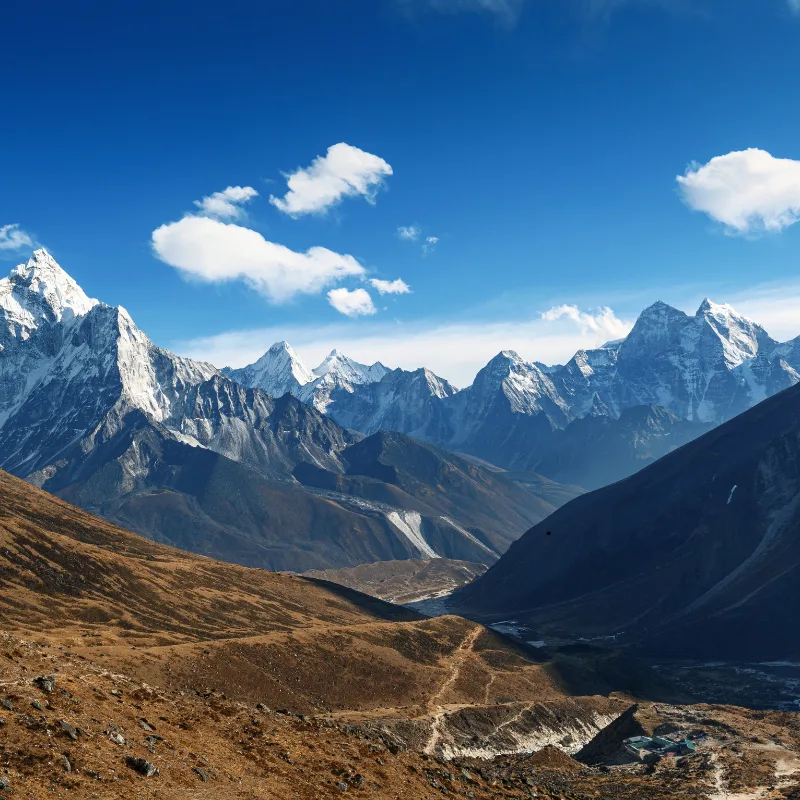
- Everest View Hotel viewpoint — 3,880 m / 12,730 ft: The signature panorama with Mount Everest, Lhotse and Ama Dablam in one frame, reached by a short hike above Namche Bazaar.
- The Lukla landing: One of the world’s most dramatic mountain airstrips, with the Dudhkoshi Valley dropping steeply away at 2,860 m.
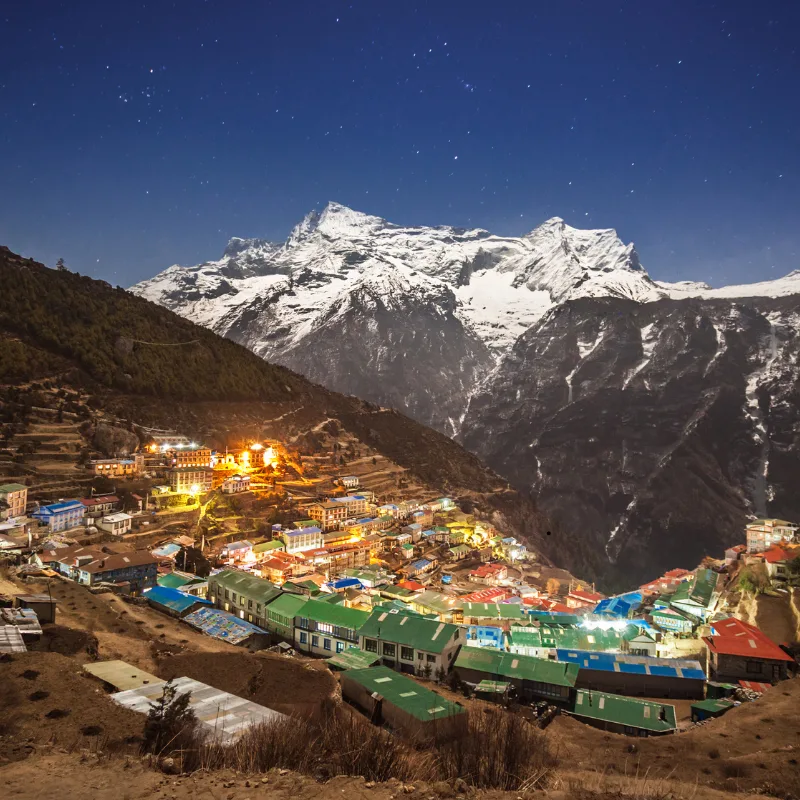
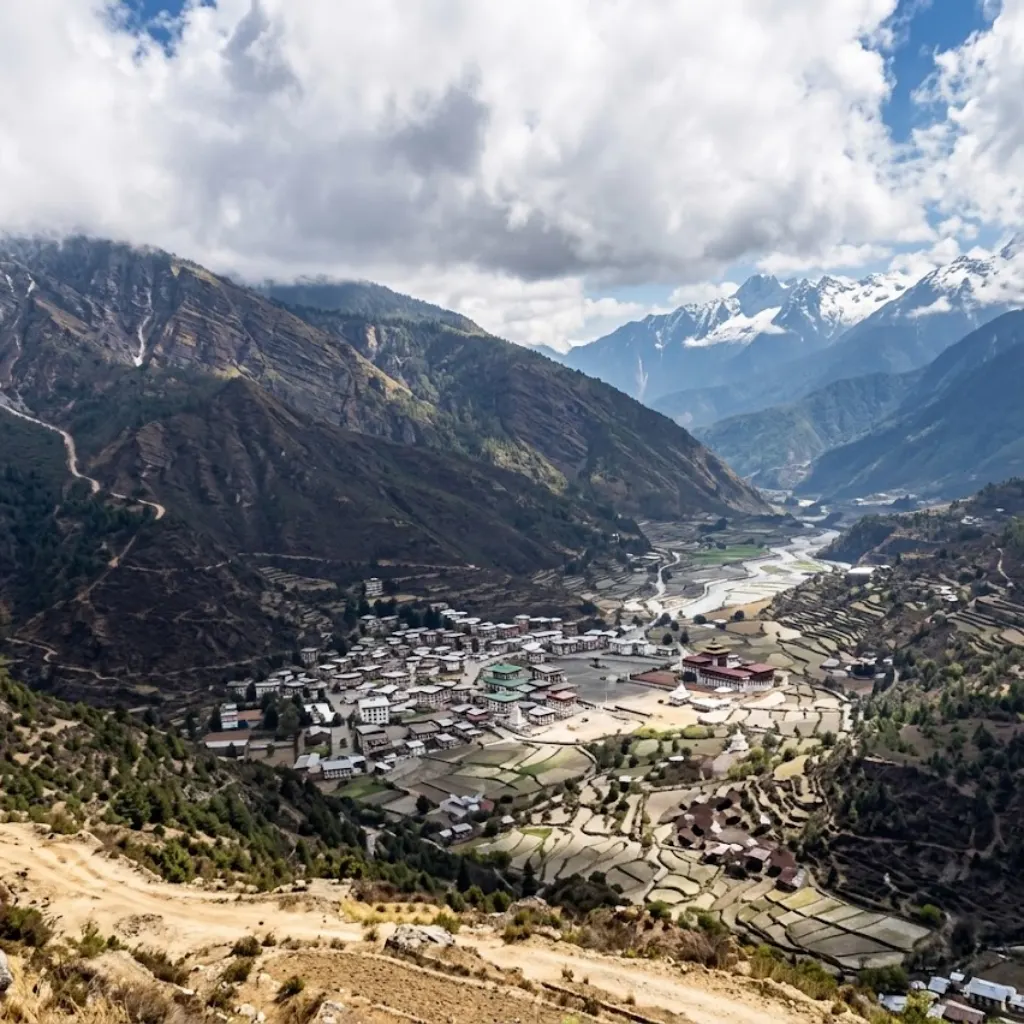
- Namche Bazaar — 3,440 m / 11,286 ft: The biggest Sherpa town in Nepal, a horseshoe of lodges, bakeries and markets below Kongde Ri.
- First Everest glimpse: The celebrated first view of Everest as you top the hill into Namche on Day 2 — the moment most trekkers describe as the trek’s emotional peak.
- Hillary Suspension Bridge: A long swinging bridge over the Dudhkoshi gorge on the route between Phakding and Namche.
- Khumjung and Khunde villages: Traditional Sherpa settlements with mani walls, schools and the famous monastery said to house a Yeti scalp.
- Sagarmatha National Park: The UNESCO-listed park at the heart of the Khumbu, with its permit checkpoint at Monjo and dramatic Dudh Kosi gorge below.
- The celebration night in Lukla: A farewell get-together with your trekking crew on the last night in the mountains.
- A short, flight-based itinerary: The same Everest panoramas as far longer treks, achievable within a single week of holiday.
Everest Panorama Trek Overview
The Everest Panorama Trek is a 6-day trek in Nepal’s Everest (Khumbu) region that delivers the classic Everest, Lhotse and Ama Dablam views without committing to the long trek all the way to Everest Base Camp. Reaching a maximum altitude of 3,880 metres (12,730 feet) at the Everest View Hotel on Day 3, the route is graded moderate and is one of the shortest itineraries in Nepal that actually reaches the Khumbu heartland via the Lukla flight.
Starting and ending in Kathmandu, this Everest Panorama Trek flies to Lukla (2,860 m) on the morning before walking through Phakding, Monjo and Jorsale up to Namche Bazaar (3,440 m) — Nepal’s biggest Sherpa village. The highlight day climbs above Namche to the Everest View Hotel for a panorama of Everest, Lhotse, Ama Dablam and the surrounding snow peaks, before returning through the Sherpa villages of Khumjung and Khunde and descending back to Lukla for the return flight.
With Nepal Lion Tours, the package starts from USD 817 per person, including the Kathmandu–Lukla return flights, licensed English-speaking guide, teahouse accommodation, meals on the trek, all required permits, airport transfers and essential trekking gear.
What Makes the Everest Panorama Trek Special?
The secret of this trek is short. Where the Everest Base Camp trek needs 12–14 days to reach the famous viewpoints, the Everest Panorama Trek reaches the same panoramic altitude faster — the Khumbu’s big picture in just 6 days, with one clear acclimatization day spent hiking above Namche.
The heart of the trek is the Everest View Hotel day hike on Day 3. Perched on a ridge at 3,880 m, the viewpoint looks directly onto Mount Everest (8,849 m), Lhotse (8,516 m) and the striking spire of Ama Dablam (6,812 m), with Namche Bazaar and the Dudhkoshi Valley spread far below.
The route also immerses you in Sherpa culture. Namche Bazaar is the cultural and commercial capital of the Khumbu, while the villages of Khumjung and Khunde hold the famous Khumjung Monastery, which displays what is said to be a Yeti scalp — a sight your guide can arrange a stop for on request.
Why Choose the Everest Panorama Trek?
If you want genuine Everest-region panoramas but do not have two weeks, this route is the practical answer. It uses the Lukla flight to skip weeks of road travel, stays in comfortable teahouse lodges the entire time, and front-loads the scenery so every day carries a Himalayan payoff.
The itinerary is also efficient by design: the Day 3 acclimatization hike doubles as the trek’s highlight, so you gain altitude safely and enjoy the best views without adding trekking days. For travellers short on time but not on ambition, the Everest Panorama Trek package is one of the most time-efficient ways to see Everest.
Who Is This 6-Day Everest Panorama Trek Suitable For?
The 6-day Everest Panorama trek is a good choice for:
- Travellers who want to see Everest but have limited holiday time
- First-time Everest-region trekkers unsure about the full Base Camp commitment
- Those who want a genuine high-altitude experience with the Lukla flight
- People who prefer teahouse comfort over camping
- Travellers combining Everest views with a larger Nepal trip
- Birthday or anniversary trips looking for a signature Himalayan panorama
- Fit families with older children who can handle a challenging uphill day
A reasonable level of fitness is needed — you should be comfortable walking uphills such as the Namche climb for several hours, and be prepared for the cold at 3,880 m. Previous high-altitude trekking experience is not required.
Guide’s Note — Nepal Lion Tours “When we operate this trek, the group usually lands in Lukla on one of the early-morning flights and walks straight onto the trail the same day, so Day 1 already carries the sense of arriving in the high Himalaya. We keep the first day gentle — dinner at Phakding is usually early, because the climbing starts the next morning.” — Our leading trekking guides, Nepal Lion Tours
Quick Facts
| Trek Fact | Details |
|---|---|
| Trek Name | Everest Panorama Trek |
| Duration | 6 days / 5 nights |
| Region | Everest (Khumbu), Koshi, Nepal |
| Maximum Altitude | 3,880 m / 12,730 ft at the Everest View Hotel |
| Difficulty | Moderate |
| Main Highlight | Everest, Lhotse and Ama Dablam panorama from the Everest View Hotel |
| Start / End | Kathmandu to Kathmandu (flights to and from Lukla) |
| Route | Kathmandu – Lukla – Phakding – Monjo – Namche Bazaar – Everest View Hotel – Khumjung/Khunde – Namche – Lukla – Kathmandu |
| Typical Walking | 3–6 hours per day on trail days, plus a short acclimatization hike on Day 3 |
| Best Season | Spring (Mar–May) and Autumn (Sep–Nov) |
| Price From | USD 817 per person (group discounts available) |
| Accommodation | Teahouse lodges and guesthouses |
| Guide | Licensed English-speaking trekking guide |
Everest Panorama Trek Route and Elevation
The route is a compact loop by road, flight and trail: a morning flight from Kathmandu to Lukla, a climb up the Dudhkoshi Valley to Namche Bazaar, a highlight day hiking above Namche to the Everest View Hotel and the villages of Khumjung and Khunde, then a descent back through Phakding to Lukla for the return flight.
Every overnight of the trek is in teahouse lodges, so you walk with a daypack only while the main luggage travels with the group.
Everest Panorama Trek Route at a Glance
| Day | Trek Route | Altitude | Highlights |
|---|---|---|---|
| 1 | Kathmandu → Lukla (flight, 25–30 min) → Phakding | 2,652 m / 8,700 ft overnight | Chaurikharka village, Dudhkoshi Ghat, Dudhkoshi river trail |
| 2 | Phakding → Monjo → Jorsale → Namche Bazaar | 3,440 m / 11,286 ft overnight | Hillary Suspension Bridge, Sagarmatha NP permit check, first Everest glimpse |
| 3 | Namche ↔ Everest View Hotel ↔ Khumjung/Khunde (day hike) | 3,880 m / 12,730 ft max | Everest–Lhotse–Ama Dablam panorama, Khumjung Monastery, Shyangboche airstrip |
| 4 | Namche → Phakding → Lukla | 2,860 m / 9,383 ft overnight | Descending forests and rivers, celebration evening in Lukla |
| 5 | Lukla → Kathmandu (flight, 25–30 min) | 1,400 m / 4,593 ft | Rest and free time, farewell dinner in Kathmandu |
| 6 | Kathmandu → International Airport | — | Private airport transfer and departure |
Everest Panorama Trek Elevation Profile
The profile climbs steadily from the air gateway at Lukla (2,860 m) through the river valley to Phakding (2,652 m), then rises over two graded days to Namche Bazaar (3,440 m). The highest point comes on Day 3 at the Everest View Hotel (3,880 m), after which the route descends back through Phakding to Lukla (2,860 m).
Physically, the effort is concentrated in the Day 2 climb into Namche and the short but high Day 3 hike above 3,600 m. Day 1 is gentle river walking, and Day 4 is mostly downhill — a classic build, rest, descend rhythm that suits a first high-altitude trek.
With its moderate profile and a dedicated acclimatization day, the elevation is manageable for most reasonable-fit travellers, and your guide carries a trekking map with the elevation profile for reference throughout.
How to Get to the Everest Panorama Trek
The Everest Panorama Trek begins with a flight from Kathmandu to Lukla, the mountain airstrip at the gateway to the Everest region. Since the whole itinerary is built around those flights — included in the package — there is no long road transfer before you reach the trail.
This flight-based start is what makes the 6-day format possible: you can be walking on a Himalayan trail within hours of leaving Kathmandu.
Kathmandu to Lukla: Flight or Road?
| Option | Approx. Travel Time | Best For |
|---|---|---|
| Domestic flight (included in package) | 25–30 minutes | Most trekkers; morning departures between 6 am and 10 am |
| Helicopter transfer | About 30–40 minutes | Private, flexible, or weather-sensitive travellers (extra cost) |
| Flight via Ramechhap (Manthali) | ~4-hour road transfer + short hop | High-season schedules; confirm current routing |
The morning flight is the standard approach for this package, with departures typically scheduled between 6 am and 10 am. Weather is generally most reliable in the early morning, which is why the itinerary plans for a first-day walk after landing.
During busiest seasons some Lukla flights operate via Ramechhap (Manthali) — a road transfer of roughly 4 hours followed by a short hop — so routing can vary by season. Your Nepal Lion Tours team confirms the current flight schedule when your dates are booked.
Lukla to Phakding: First Trail Day
After landing at Lukla (2,860 m), you meet your guide and porter, then walk out of town through the village of Chaurikharka and down to the sandy river flats at Dudhkoshi Ghat (2,530 m). The trail follows the bank of the Dudhkoshi River to Phakding (2,652 m), a welcoming first overnight famous among Everest trekkers as the first night of the trail.
A typical Day 1 covers around 4 hours of easy walking — a gentle introduction that lets the body settle into the altitude and the rhythm of the trek.
Returning to Kathmandu After the Trek
On Day 5 you take the short Lukla–Kathmandu flight back to the capital, where you transfer to your hotel for a well-earned rest. The package closes with a farewell dinner at one of Kathmandu’s best Nepalese restaurants, then a private transfer to the international airport on Day 6.
Everest-region flights can occasionally face weather delays, so the itinerary is structured with the return flight in the morning and the international departure the following day — leaving a natural buffer built in.
A Practical Tip for International Travellers
Because Lukla flights depend on mountain weather, avoid scheduling international connections tightly around the trek. The two-night buffer in Kathmandu at the end (Day 5 overnight, Day 6 departure) gives your Nepal Lion Tours team room to re-book flights if weather delays occur.
Guide’s Note — Nepal Lion Tours “From our experience operating Everest Panorama departures, the weather window on the Kathmandu–Lukla flight is almost always the early morning — by midday cloud can roll up the valley and flights get delayed. That is why we schedule the outward flight before 10 am wherever possible, and why we recommend carrying your daypack essentials in your hand luggage just in case.” — Our leading trekking guides, Nepal Lion Tours
Everest Panorama Trek Difficulty, Fitness & Altitude
The Everest Panorama Trek is graded moderate, which here means two real climbing sections rather than a technically difficult route. The main physical challenges are the Day 2 climb into Namche Bazaar and the short but high Day 3 hike to the Everest View Hotel at 3,880 m. There is no technical climbing and every overnight is in a teahouse lodge.
Most trekking days involve 3–5 hours of walking, with the longest single effort being the descent day from Namche back to Lukla. As with any trek above 3,000 m, altitude is the factor to respect — and this itinerary is deliberately structured around it.
Where the Effort Actually Is?
The effort is concentrated, not continuous. The hardest stretch is the last hour into Namche Bazaar on Day 2, a long uphill pull on the hill above Jorsale that has tested Everest trekkers for generations — you gain around 400 m of altitude in the final push, and the reward is that first sight of Everest.
The other challenging moment is the Everest View Hotel day hike on Day 3. It is short — about an hour up and a gentle loop around 3,700–3,880 m — but the altitude makes every step heavier, and the famous cold at the viewpoint is part of the experience. Day 1 is easy riverside walking and Day 4 is downhill, so the hard work arrives in one compact afternoon and one high morning.
Guide’s Note — Nepal Lion Tours “The climb into Namche looks manageable on paper, but the last uphill hour above Jorsale is where the trail earns its reputation. Our guides pace this section slowly, with short breaks, because reaching Namche without being exhausted makes the whole next day — and the Everest View walk — far more enjoyable.” — Our leading trekking guides, Nepal Lion Tours
How to Prepare for the Everest Panorama Trek
A few weeks of preparation will make the trek noticeably more comfortable:
- Walk 3–4 times a week for 45–60 minutes, including hills or stairs where possible
- Practise sustained uphill walking — the Namche climb is the main test
- Strengthen legs with squats, lunges and step-ups for the ascent and the long downhill of Day 4
- Go on weekend hikes with a loaded daypack (around 5–7 kg) to get used to the weight
- Get comfortable being active at altitude — simple cardio fitness is more useful than gym strength
- Avoid last-minute overtraining in the week before departure; arrive rested
How Difficult Is the Everest Panorama Trek Compared with Longer Treks?
Compared with the Everest Base Camp trek (12–14 days, reaching 5,545 m at Kala Patthar), the Everest Panorama Trek is significantly shorter and lower — the max altitude of 3,880 m is roughly the height of Tengboche, more than 1,600 m below the EBC viewpoints. That makes it suitable for far more travellers.
But it is not the same as a foothills walk: you still fly to 2,860 m, sleep at 3,440 m and hike past 3,880 m, so the same altitude rules apply. Tremier travellers find it a perfect first Everest-region trek; those who love it often return for the full Base Camp journey.
Altitude, Acclimatization & Safety
Altitude is the defining factor of any Everest-region trek. The Everest Panorama Trek’s maximum of 3,880 m / 12,730 ft is below the heights where serious altitude illness is common, but it is high enough that listening to your body matters.
Everest Panorama Trek Altitude Profile
- Kathmandu — 1,400 m / 4,593 ft: Arrival city, sleep before flying to Lukla.
- Lukla — 2,860 m / 9,383 ft: Flight gateway; you step off the plane above 2,800 m, so the very first day already involves altitude.
- Phakding — 2,652 m / 8,700 ft: First trail night; actually lower than Lukla, giving a gentle start.
- Monjo — 2,835 m / 9,301 ft: Park entrance village and permit checkpoint midday on Day 2.
- Namche Bazaar — 3,440 m / 11,286 ft: Two nights; the acclimatization base and cultural heart of the trek.
- Everest View Hotel — 3,880 m / 12,730 ft: The trek’s high point, on the Day 3 acclimatization hike.
- Khumjung / Khunde — ~3,790 m / 12,434 ft: Sherpa villages on the Day 3 loop back to Namche.
How the Body Adapts to Altitude
The body acclimatizes gradually when given time. This itinerary climbs in stages — walk up to 3,440 m on Day 2, spend Day 3 hiking high then sleeping low in Namche — and that climb-high-sleep-low rhythm is the single most important acclimatization tool on the route.
Beyond the itinerary design, the practical rules are simple: walk at a steady, unhurried pace, drink plenty of water, eat full meals even when appetite drops, and tell your guide immediately about any headache, nausea or unusual tiredness.
Symptoms of Altitude Sickness to Watch For
Mild symptoms that are common and usually settle with rest and fluids:
- Headache
- Loss of appetite
- Nausea
- Unusual fatigue
- Dizziness
More concerning symptoms that require action — stop ascending, seek advice, and if they persist, descend:
- Headache that worsens despite rest and medication
- Vomiting
- Confusion or impaired coordination
- Shortness of breath at rest
- Bluish or grey tinge to the lips
Your guide monitors the group through the trek and carries a first aid kit including a pulse oximeter, and will not hesitate to adjust the plan if symptoms appear.
How Nepal Lion Tours Supports Altitude Safety
- Climb-high-sleep-low itinerary built in: The Day 3 Everest View hike gains altitude during the day but returns to sleep at Namche, right where you slept the night before.
- Experienced licensed guides: Certified and Everest-region trained, they pace the group and watch for symptoms all day.
- Early communication: You are encouraged to flag any symptom immediately — nothing is dismissed.
- Insurance advice: The team advises travel insurance that covers high-altitude trekking and helicopter evacuation before departure.
- Built-in buffer: The post-trek Kathmandu overnight gives schedule room if flights or weather shift.
Best Time to Trek the Everest Panorama Trek
The best seasons for the Everest Panorama Trek are autumn (September–November) and spring (March–May), when clear skies make the chance of seeing Everest, Lhotse and Ama Dablam from the Everest View Hotel highest. The trek operates year-round; the difference between seasons is reliability of views and temperature.
| Season | Months | Weather & Trail Conditions | Mountain Views | Overall |
|---|---|---|---|---|
| Autumn | Sep–Nov | Dry trails, crisp clear air, peak trekking crowds | Excellent on most days | Best overall |
| Spring | Mar–May | Warmer days, rhododendrons along the trail | Very good, best in the morning | Highly recommended |
| Winter | Dec–Feb | Cold and quiet; snow possible higher up, clear cold days | Good on clear days | Good with preparation |
| Monsoon | Jun–Aug | Rain, cloud and mud; Lukla flights riskier | Frequently limited | Less suitable |
Autumn — September to November
Autumn is the best overall season, especially October and November. Post-monsoon air is dry and clear, the trails are in good condition, and mornings around Namche and the Everest View Hotel consistently deliver clean panoramas. Expect the busiest teahouses of the year — booking dates well in advance is worth it.
Spring — March to May
Spring is the second prime season. Days are warmer, the route blooms with rhododendrons and other mountain flowers, and views are often superb in the mornings. April and May bring the Everest climbing season, which adds a busy, adventurous atmosphere in Namche.
Winter — December to February
Winter offers clear, quiet, cold trekking. Days in the lower valley can be pleasant, but the Everest View Hotel morning is genuinely cold, and snow is possible above 3,000 m. This season suits trekkers happy to dress for the cold in exchange for near-empty trails.
Monsoon — June to August
Monsoon is the least reliable season. Rain, mud, leeches in forest sections and cloud over the viewpoints are common, and Lukla flights face more weather delays. Adventurous travellers can still enjoy the season’s green landscapes, but views and flight reliability are the trade-offs.
Which Season Should You Choose?
Choose autumn if the Everest View panorama is your top priority — it is the most dependable for clear morning views. Choose spring for warmer walking and flowers. Winter suits quiet trails and photo-friendly cold light, while monsoon is best for travellers whose dates are fixed and who accept the weather risk.
Guide’s Note — Nepal Lion Tours “In our experience, the clearest mornings at the Everest View Hotel are in October and November. Even then, the valley below Namche often holds a sea of cloud at sunrise that slowly sinks away — so we time the day-hike start early and wait for the light. When it opens, you see the whole arc of the Khumbu from Lhotse to Ama Dablam in a single glance, and it is worth the wait.” — Our leading trekking guides, Nepal Lion Tours
Everest Panorama Trek Permits & Regulations
The Everest Panorama Trek enters Sagarmatha National Park, so trekkers need the Sagarmatha National Park Entry Permit and the Khumbu Pasang Lhamu Rural Municipality Permit collected along the trail. Under current Nepali rules a licensed guide is mandatory on this route, and permits are issued through registered trekking agencies.
For trekkers booking through Nepal Lion Tours, the required permits and registrations are arranged as part of the trekking preparation, so you do not need to navigate the process independently.
Everest Panorama Trek Permits at a Glance
| Requirement | Who Needs It? | Who Arranges It? |
|---|---|---|
| Sagarmatha National Park Entry Permit | Foreign trekkers entering the park | Nepal Lion Tours |
| Khumbu Pasang Lhamu Rural Municipality Permit | All trekkers in the Khumbu | Nepal Lion Tours |
| Licensed trekking guide | Mandatory for foreign trekkers since April 2023 | Included with every Nepal Lion Tours trek |
Fees are based on current Nepali authority information (2026) and can be revised. Confirm the applicable fee and requirements when booking.
Sagarmatha National Park Entry Permit
The Sagarmatha National Park Entry Permit is required because the route travels deep inside the park — the permit checkpoint sits on the trail at Monjo on Day 2. Current fees are around NPR 3,000 for foreign nationals and NPR 1,500 for SAARC nationals, valid for a single entry.
The permit is checked at the park gate, so you carry it with you on the trail. Nepal Lion Tours arranges it ahead of departure, making the checkpoint a quick stop rather than a queue.
Khumbu Pasang Lhamu Rural Municipality Permit
The Khumbu Pasang Lhamu Rural Municipality fee replaces the TIMS card across the Everest region. It is approx NPR 3,000 per person and funds local trail maintenance and services, and is collected as you enter the Khumbu area.
Note that a TIMS card is not required on standard Everest-region routes; the Khumbu municipality fee stands in its place, which simplifies the paperwork compared with other regions of Nepal.
Do You Need a Restricted-Area Permit?
No, not for the standard Everest Panorama Trek route.
The itinerary from Lukla to Namche Bazaar and back stays on the main Khumbu trail and does not enter Nepal’s designated restricted trekking areas. This keeps the permit stack to the two Khumbu permits above. Rules can change, and modified itineraries that enter restricted valleys would add requirements — your trekking company confirms the current situation before departure.
Who Arranges the Permits?
When you book the Everest Panorama Trek package with Nepal Lion Tours, the team arranges the Sagarmatha National Park permit, the Khumbu Pasang Lhamu municipality permit and your licensed guide as part of the pre-trek paperwork.
You should carry your original passport during the trek, as it is used for the park entry check at Monjo. Government fees and trekking regulations can be revised, so final requirements and charges are always confirmed before departure.
Food & Accommodation on the Everest Panorama Trek
The Everest Panorama Trek is a teahouse trek — every night is spent in a lodge with meals in its communal dining room, the classic setup of the Khumbu. The standard of comfort is better in the bigger settlements of Lukla, Namche and Phakding, and simpler in the villages, but the route never requires camping.
Your guide coordinates check-in, meals and wake-up times throughout, so the material logistics of accommodation are handled for you.
Teahouse Accommodation on the Everest Panorama Trek
Teahouse rooms are clean and twin-shared, with blankets and pillows provided:
- Rooms: Simple twin bedrooms with wooden beds; a private room is often available for a small charge in larger Lodges.
- Bathrooms: Mostly shared; private attached bathrooms exist in some Namche lodges.
- Hot showers: Generally a paid extra (buckets or solar/warming units) in teahouses.
- Electricity & charging: Available at dinner time in most lodges; charging is often paid per device.
- Dining room: The heated heart of every lodge — the place to socialize and warm up.
- Wi-Fi: Khumbu teahouses widely offer Wi-Fi, usually for a fee and strongest in Namche.
- Bedding: Blankets and pillows are standard; a sleeping bag liner is useful, and Nepal Lion Tours provides a down jacket and sleeping bag.
What Food Is Available on the Everest Panorama Trek?
The Khumbu teahouse menu is surprisingly varied, sourced through the valley’s porter economy:
- Dal bhat: Nepal’s classic rice-and-lentil meal, the trekking staple — ask for refills, it is the traditional energy fix
- Sherpa stew and thukpa: Hearty noodle soups popular in the Everest region
- Momos: Steamed or fried dumplings, a crowd favourite at every lodge
- Noodles and fried rice: Quick, filling favourites
- Pasta and pizza: Available at many Khumbu lodges
- Potatoes and eggs: Common at simpler stops
- Hot porridge, pancakes, toast and muesli: Standard breakfast options
- Baked goods: Namche’s famous bakeries sell cakes and pastries — a real treat above 3,000 m
Vegetarian food is widely available, and most lodges can adapt for basic dietary needs. Tell your guide about vegan, gluten-free or allergy requirements before the trek so lodges can be informed ahead.
What Food and Accommodation Are Included?
| Included in the Trek Package | Usually Paid Separately |
|---|---|
| All meals on the trail (breakfast, lunch, dinner plus a daily cup of tea or coffee) | Hot shower fees at teahouses |
| Teahouse accommodation during the trek | Drinks and snacks beyond the daily tea/coffee |
| A daily cup of tea or coffee | Charging fees at teahouses |
| Kathmandu guesthouse night on the final itinerary day | Meals and drinks in Kathmandu outside the itinerary |
| Welcome or farewell dinner in Kathmandu (complimentary) | Wi-Fi fees, souvenirs, extra porter time |
The exact balance is confirmed in writing at the time of booking, so there are no surprises on the trail.
Drinking Water on the Trek
Do not assume tap water is safe on the route. Use boiled, filtered or purified water throughout — teahouses sell bottled and boiled water, and a reusable bottle with purification tablets or a filter is the sustainable option many trekkers prefer.
Drink regularly through the day even when you do not feel thirsty; at altitude, dehydration is a common cause of headaches that is easy to avoid.
Staying Comfortable at Teahouses
- Carry a refillable water bottle and buy/boil water as you go
- Bring a sleeping bag liner or the provided sleeping bag for cleanliness and warmth
- Pack a power bank, since wall charging at lodges is often paid and limited to evenings
- Keep small denomination cash for hot showers, Wi-Fi and extra drinks
- Dress in layers for the dining room, which is warm by day and can cool sharply at night
- Give your guide dietary requirements in advance so lodges can plan
Why Book with Nepal Lion Tours?
A short trek should still be a complete, well-run experience — here is what Nepal Lion Tours brings to the Everest Panorama Trek:
- Local, licensed English-speaking guides > Nepal Lion Tours guides are government-licensed and Everest-region experienced — the permit system now requires a licensed guide on this route, so you trek with an accredited professional as standard.
- A registered trekking company you can verify > Nepal Lion Tours is a registered trekking company based in Kathmandu, and company and licence details are shared with every traveller who wants to verify the operator before booking.
- Private departures and small groups > The package runs from single trekkers upward, with a maximum group size around 10 — small enough that the pace, meals and rooms stay personal.
- The shortest well-designed Everest panorama itinerary > Six days reaching the Everest View Hotel is genuinely short for the payoff, and the Day 3 climb-high-sleep-low design does acclimatization properly, not as an afterthought.
- Flights, transfers and logistics handled end to end > Including the Kathmandu–Lukla return flights and private airport transfers, so you are met at every step and never arranging transport in a foreign city under time pressure.
- Budget-friendly pricing without cutting the core experiences > From USD 817 per person the package includes flights, permits, guide, teahouses, meals and gear — the essential experiences, not just a price tag.
- A local team you can contact before and during your trek > WhatsApp support at +977-9851039020 means questions are answered before arrival and issues are solved in Nepal in real time, not from an office overseas.
Book the Everest Panorama Trek
This is the shortest itinerary in our Everest range that still puts you in front of Everest, Lhotse and Ama Dablam. Flights, permits, guide, lodges and meals are all arranged — all you do is show up ready to walk.
Trek at a Glance
- Duration: 6 days / 5 nights
- Price: From USD 817 per person (group discounts from 2 pax; luxury tier available)
- Difficulty: Moderate
- Maximum Altitude: 3,880 m / 12,730 ft at the Everest View Hotel
- Accommodation: Teahouse lodges and guesthouses
- Meals: All on-trek meals plus a daily tea or coffee, with a complimentary Kathmandu welcome or farewell dinner
- Permits & Registration: Sagarmatha National Park + Khumbu Pasang Lhamu municipality fees
- Transportation: Kathmandu–Lukla return flights, private airport transfers
- Guide: Licensed English-speaking trekking guide (Chinese, Korean or Hindi guides available on request)
- Cancellation: Free cancellation up to 14 days before departure
Ready to Start Your Everest Region Adventure?
Secure your dates via the booking form or reach the team directly on WhatsApp at +977-9851039020 — whether you are solo, a couple or a small group, departure can be arranged around you. Group pricing drops to USD 694 for 10 or more travellers.
The mountains will be there. Book the Everest Panorama Trek, and the rest is logistics handled by a team that runs the Khumbu every season.
Related Everest Region Treks
If the 6-day panorama leaves you wanting more time in the Khumbu, these Everest-region companions cover every level of ambition:
| Trek | Duration | Difficulty | Max Altitude | Best For |
|---|---|---|---|---|
| Everest View Trek | 8 days | Easy–Moderate | 3,880 m / 12,730 ft | A more relaxed panorama trek with extra Khumbu days |
| Everest Base Camp Trek | 12 days | Moderate | 5,545 m / 18,192 ft (Kala Patthar) | The classic EBC + Kala Patthar experience |
| Gokyo Lake Trek | 10 days | Moderate | 5,357 m / 17,575 ft (Gokyo Ri) | Turquoise glacial lakes and Gokyo Ri views |
| Pikey Peak Trekking | 7 days | Easy | 4,060 m / 13,320 ft | Flight-free Everest-region views by road |
| Everest Three Passes Trek | 18 days | Challenging | 5,535 m / 18,159 ft | Complete Khumbu traverse for experienced trekkers |
The Everest Panorama Trek also combines naturally with a Kathmandu heritage tour or a Chitwan Jungle Safari, or with the Gokyo Lake Trek for trekkers who want to keep going rather than fly home.
Trip Essentials
Packing advice, required equipment & gear recommendations
Essential
Everest Panorama Trek Packing List
The trek stays in teahouses, so you are not packing for camping — but the Khumbu is cold at 3,880 m and the morning at the Everest View Hotel is genuinely chilly. Pack for changing mountain conditions, and remember that Nepal Lion Tours provides a down jacket, sleeping bag, duffel bag and trekking map, plus a mobile SIM card on arrival.
Hiking Gear
- Daypack (25–35 litre) for water, layers, camera and daily essentials
- Trekking poles — very useful for the long descent on Day 4
- 1–2 litre water bottle or hydration bladder
- Headlamp or torch with spare batteries, for early starts and lodge power cuts
- Dry bags or plastic liners to protect clothes from rain and moisture
- Sunglasses (UV protection is strong above 3,000 m)
- Buff or neck gaiter as sun and wind protection
Clothing: Use Layers Rather Than Bulk
Base layers: 2 sets of merino or synthetic thermal tops; a pair of thermal leggings.
Mid-layers: 1–2 lightweight fleeces or a softshell for the main walking warmth.
Outer layers: A waterproof and windproof jacket; ideally waterproof over-trousers for rain and wind.
Trekking clothes: 2–3 pairs of quick-dry trekking trousers and t-shirts; the dining rooms fill with warm layered trekkers in the evening, so a clean set for evenings is worth the space.
Headwear and gloves: A warm beanie, sun hat, and light gloves plus a warmer pair for the Everest View morning.
Footwear: Broken-in waterproof hiking boots, plus comfortable sandals or lodge slippers for the evening.
Sleeping and Evening Comfort
- Provided all-season sleeping bag (bring a liner or silk liner for hygiene)
- Fleece jacket; down jacket provided
- Warm socks and a light set of sleepwear
- Small towel and a quick-dry change of clothes for the evening
Toiletries and Personal Health Items
- Toiletries: toothbrush, toothpaste, biodegradable soap/shampoo, hand sanitizer, lip balm with SPF, sunscreen (SPF 50+), wet wipes
- First-aid extras: personal medication, blister patches, paracetamol/ibuprofen, basic cold remedies
- High-altitude helpers: electrolyte sachets, moisturizer for dry air above Namche, earplugs for busy lodges
- Personal medical kit as advised by your doctor; your guide carries the group first aid kit
Electronics
- Phone plus a power bank (10,000–20,000 mAh)
- Camera with spare batteries or memory cards; the cold drains batteries fast
- Universal travel adapter (Nepal uses 3-pin Indian-style sockets, 230 V)
- Optional tablet/e-reader for evenings in the dining room
- Wi-Fi is available at many teahouses, usually for a fee and most reliable in Namche
Documents and Money
- Valid passport (needed for the Sagarmatha park entry check at Monjo)
- Passport-sized photos for permit processing where required
- Travel insurance document covering high-altitude trekking and helicopter evacuation
- Cash in Nepali rupees for hot showers, Wi-Fi, drinks and tips — ATMs exist in Namche but carry a margin of cash from Kathmandu
- Bank/credit card for backup; keep the main money somewhere secure and dry
How Much Should You Pack?
Lighter is better. You carry only a daypack on the trail while the duffel travels with your porter or luggage system, but every kilogram still crosses the Khumbu. Aim to travel with the essentials and resist “just in case” additions — layers are compact, and the provided jacket and sleeping bag cover the two bulkiest items.
A rough guide is a main bag of 10–15 kg for the teahouse system and a daypack of 4–6 kg for the trail. If you are ever in doubt about what to bring, ask the Nepal Lion Tours team — this is the gear list we give every Everest Panorama trekkers, refined over hundreds of departures.
Read Before You Book
Permits, terms, medical considerations & advisory guidelines
Advisory
What to Know Before Booking
A few practical points upfront make the Everest Panorama Trek smoother from the first enquiry to the final farewell dinner.
Accommodation and Facilities
Teahouse standards vary: Namche and Lukla lodge rooms are comfortable and occasionally private, while facilities on the trail edge toward shared bathrooms and paid hot showers. The provided sleeping bag and down jacket remove the two biggest comfort risks. Rooms are twin-shared by default; private rooms can usually be added at the lodge for a small fee.
Food and Dietary Requirements
Dal bhat is the trekking fuel and always safe, and the Khumbu menu includes vegetables, eggs, noodles and baked goods. Vegetarian meals are easy almost everywhere. For vegan, gluten-free or allergy requirements, tell your guide before the trek so lodges ahead on the route can prepare.
Altitude, Health and Insurance
The route reaches 3,880 m / 12,730 ft, high enough to take altitude seriously. Travel insurance that covers high-altitude trekking and helicopter evacuation is strongly recommended and normally required as part of the booking terms — the Everest region is where evacuation cover genuinely matters. Declare any existing medical conditions when booking.
Money and Tipping
Carry Nepali rupees for teahouse extras, drinks, hot showers and tips. Tipping is customary for guides and porters in Nepal — a widely used benchmark is roughly USD 10–15 per day for a guide and slightly less per porter, split among the group. Exact amounts are entirely at your discretion and should reflect the service received.
Culture and Responsible Trekking
The Khumbu is Sherpa homeland and a living Buddhist landscape:
- Pass mani walls, gompas and prayer wheels on the right (clockwise) and never sit on mani stones
- Dress modestly in villages and when visiting monasteries
- Ask permission before photographing people, monks or monastery interiors
- Carry out what you carry in; use reusable bottles rather than single-use plastic
- Buy tea, snacks and craft goods locally in the villages — the trek economy depends on it
Route Options
The Everest Panorama Trek is the short version of the Khumbu story. If you want to go further, the same team runs the Everest Base Camp Trek (12 days), Everest View Trek (8 days), Gokyo Lake Trek and the full Three Passes Trek — it is easy to extend a panorama trip into a longer one before you book, rather than trying to bolt days on at the end.
Booking and Before You Arrive
Make sure you understand before you book:
- The included flights are the standard Kathmandu–Lukla return; Ramechhap routing may apply in high season
- Kathmandu city meals and extra accommodation outside the itinerary are not included
- Lukla flights are weather-dependent; a post-trek Kathmandu night is built in to protect your schedule
- Passport validity of 6+ months and visa-on-arrival details for Nepal
- The final list of inclusions and exclusions is confirmed in writing at booking
A Few Final Tips
Start hydrating the day before you fly to Lukla, walk at the guide’s pace rather than your own through the Namche climb, and save battery for the Everest View Hotel morning — it is the photograph you will keep. And book early in October and November: the best autumn weeks fill the best lodges fast.
Day-by-Day Itinerary
Explore each day's route, trekking elevation, and activities
After a short morning flight to Lukla which is nearly about 6 am to 10 am, you’ll be introduced to your guide and porter.
Kick off your trek with an easy walk through Chaurikharka village and descend towards Dudhkoshi Ghat (2,530m/8,300ft). The trail follows the bank of the Dudhkoshi River until Phakding (2,652m/8,700ft), where we will be staying for the night to acclimatize.
Enjoy your free time in Phakding, a popular stopping point for Everest trekkers.
We’ll have breakfast in Phakding before gearing up for the trek to Namche Bazaar, the biggest sherpa village in Nepal.
Our trail takes us first over the Dudhkoshi River via a long suspension bridge, and then through a beautiful pine forest to Monjo, about two hours away. Soon thereafter, we will approach the entrance to Sagarmatha National Park for a brief permit check and then descend to Dudh Kosi River (spotting Mani stones along the way!) en route to Jorsale.
Lunch will be served here, and then it’s uphill to Namche. Our path along the riverbank is flanked by two crossings, one of which is the Hillary Suspension Bridge. It’s a tough climb up the hill to our resting place, but you’ll be rewarded in Namche Bazaar with your first glimpse of Everest in all its majesty.
We leave early for the hike up to the Everest View Hotel, which is about an hour’s hike above Namche.
Great sights await you here with a fantastic panorama of the Himalayas and a great view of Everest, Lhotse and Ama Dablam. After enjoying the view and relaxing with a hot coffee we continue to the traditional Sherpa villages of Khunde and Khumjung.
If you are interested, you may ask your guide to take you to the Khumjung Monastery which houses what is said to be a Yeti scalp.
Leaving the villages we circle back to Namche via the small airstrip at Shyangboche.
After breakfast, we trek toward the Hillary Suspension Bridge and then pass through several local villages to arrive in Lukla.
Since this is our last night in the Everest region, we have a small party with your trekking crew at the tea-house to celebrate what you’ve accomplished – a physical feat which others only dream of.
Enjoy your last night on the mountain!!
In the morning, you’ll take a brief flight from Lukla to Kathmandu, where your journey both began and ends. You’ll transfer to your hotel upon landing for some much-needed rest and reflection after your trek to the Himalayas.
We’ll reunite in the evening for a farewell dinner at one of the best Nepalese restaurants in town. During dinner we would love to hear your feedback about the trip.
It’s your last day in Nepal! Grab some breakfast, and then take in some last-minute shopping in Kathmandu. We’ll make sure you arrive at Kathmandu International Airport with plenty of time before your flight home.
At this time, we’ll say our goodbyes and bid you farewell, armed with warm memories and gorgeous photos to show your loved ones.
Want to customize this itinerary?
Tailor duration, lodges, acclimatization days, or add private helicopter flights.
Inclusions & Exclusions
Everything that is covered and what you'll need to budget separately
What is Included
Fully covered in your package price
- Airport pickup and drop services on a private vehicle
- Transportation from Kathmandu to Lukla and back to Kathmandu (by flight)
- Food (Breakfast, Lunch, Dinner and a cup of coffee or tea) and accommodations during the trip in hotels and guesthouses with family environment
- One licensed English-speaking trekking guide (Chinese, Korean, Hindi speaking guides are also available)
- Transportation, food, accommodation and insurance of guide during the trip
- Down jacket, all-season sleeping bag, duffel bag (to be returned after completion of the trip)
- First Aid Medical Kit (Carried by the guide)
- All the required permits and paperworks
- Welcome or farewell dinner in Kathmandu at a cultural restaurant (complimentary)
- Mobile SIM Card (works nationwide) and a map of the trekking region
- Optional Addons
- Porter extra charge
What is Excluded
Personal expenses & optional extras
- International Airfare
- Visa Charges
- Your travel and medical insurance
- Personal Expenses such as shopping, bar bills, hot shower,telephone, laundry, titbits etc
- Food and accommodations in Kathmandu
- Other services that are not mentioned
- Tips for guides and porters
Our Customer Reviews
Authentic experiences and feedback from our travelers
Write a Review
Share your adventure experience with other travelers
Thank You!
Your review has been submitted and is awaiting approval.
Please Wait
You've submitted several reviews recently. Please wait a few minutes before trying again.
No reviews yet
Be the first to share your experience with this trek!
Frequently Asked Questions
Essential information on preparation, route specifics, safety standards, and logistical details.