Pikey Peak Trekking — 7 Days | Nepal Lion Tours
Trek Through Peaceful Sherpa Villages and Enjoy Panoramic Himalayan Views from Pikey Peak


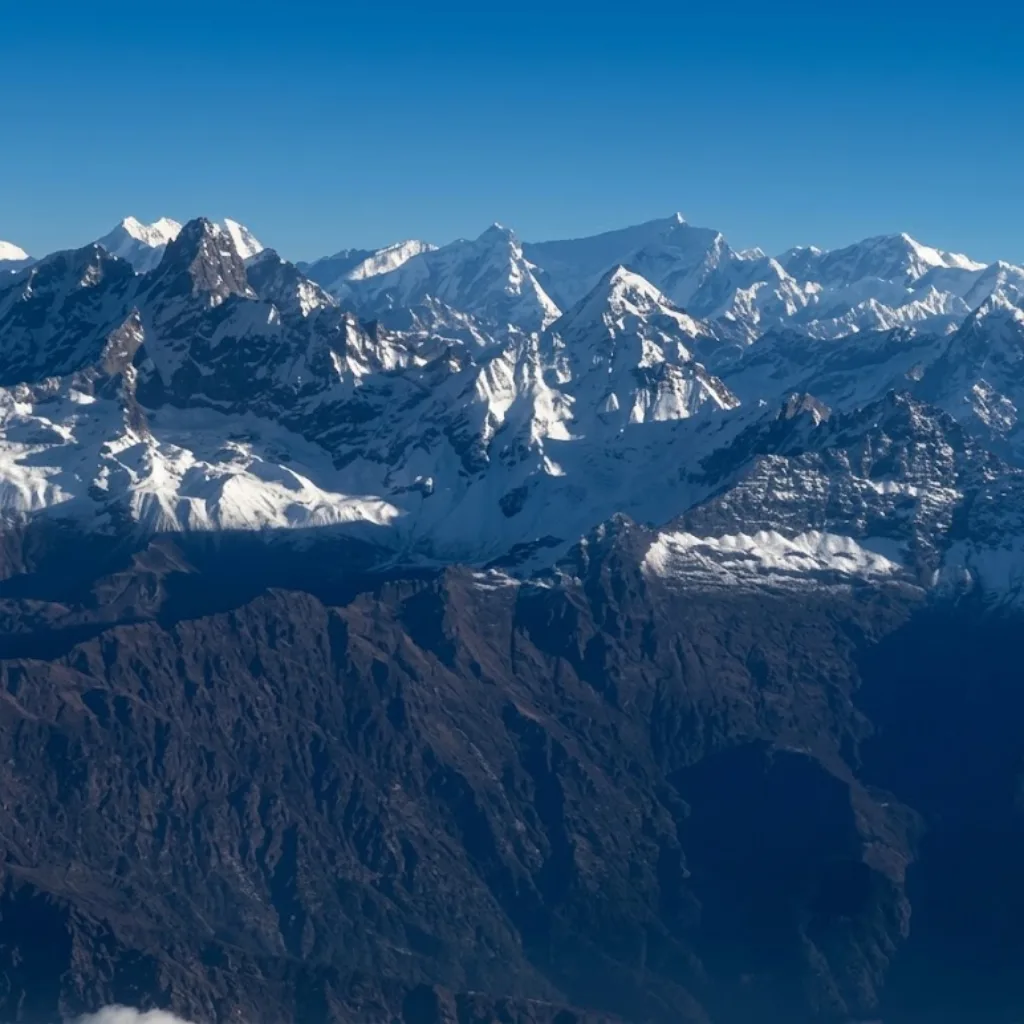
Tour Highlights
Trek Highlights
Seven days of Everest-region sunrise views, rhododendron forests, Sherpa villages and monastery visits make this a rewarding short trek in the lower Solu-Khumbu, reached entirely by road.
- Pikey Peak Sunrise — 4,060 m / 13,320 ft: Watch sunrise over Mount Everest, Makalu, Numbur Himal and a sweeping arc of the eastern Himalaya.
- Mount Everest & Makalu Panorama: From Pikey Peak’s open summit, two of the world’s highest mountains — Everest (8,849 m) and Makalu (8,485 m) — unfold in one clean sweep.
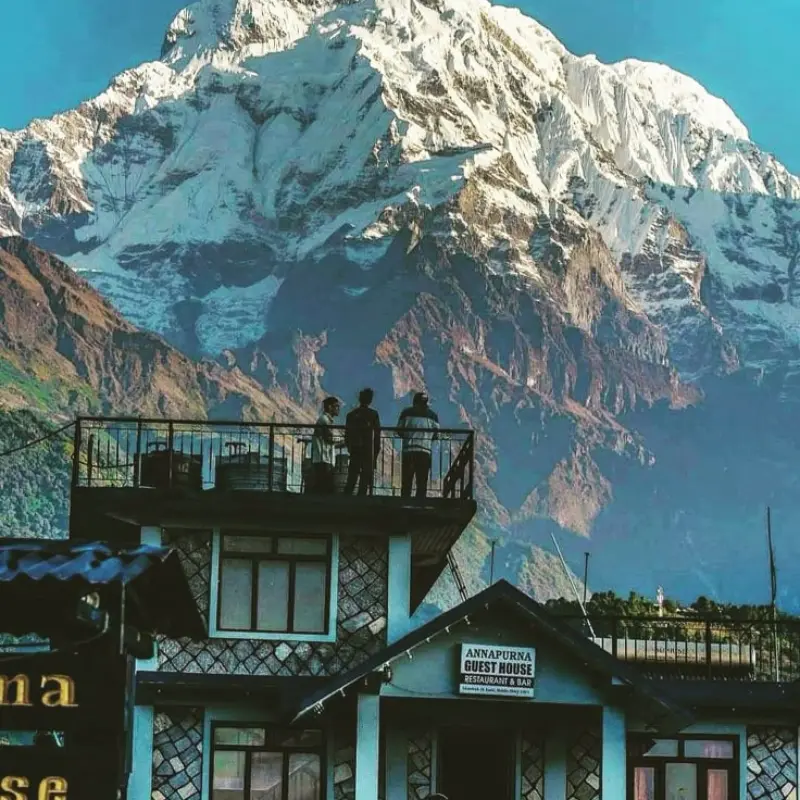
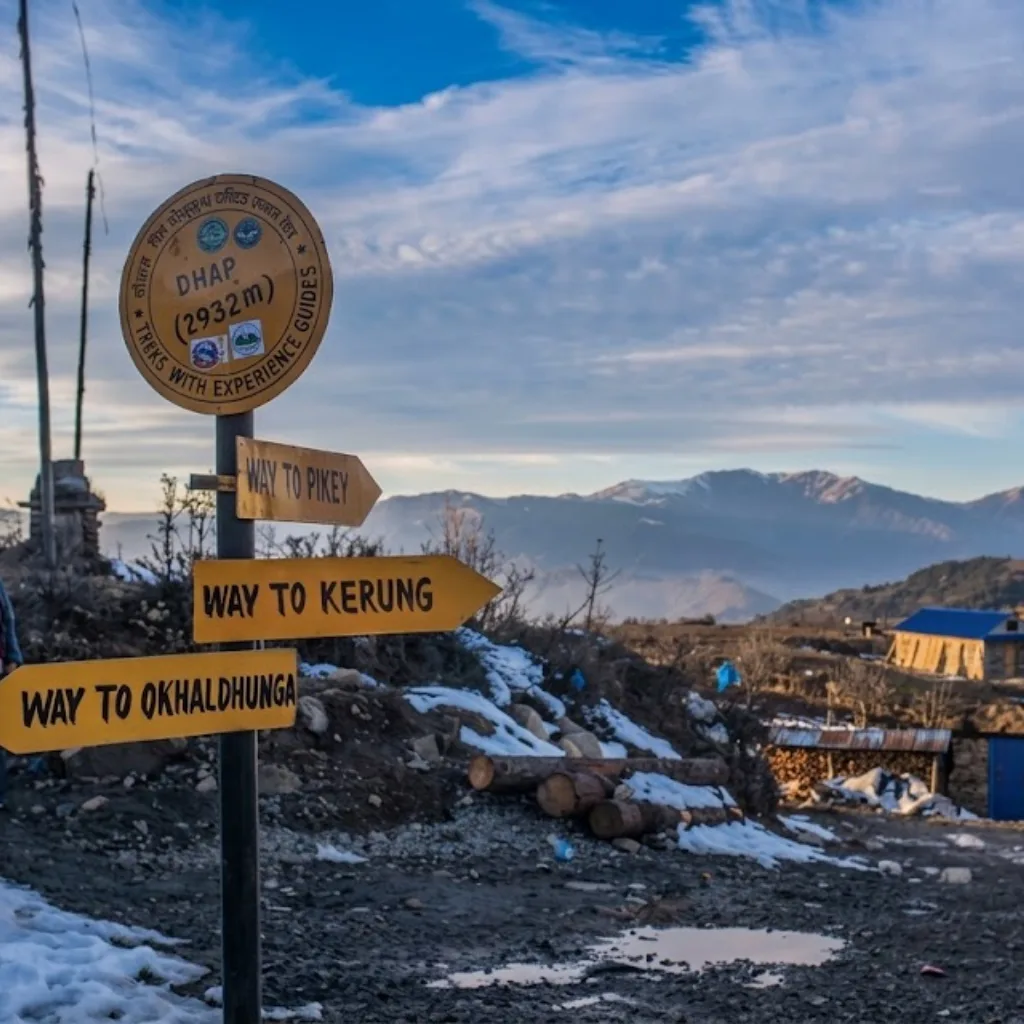
- Jhapre Viewpoints — 2,932 m / 9,619 ft: A trailhead village known for its mountain views, where Mount Everest and Numbur Himal are visible almost immediately.
- Rhododendron & Forest Trails: Climb through dense rhododendron woodlands and quiet forest paths, especially lovely in spring when the blooms appear.
- Pikey Peak Base Camp — 3,640 m / 11,942 ft: A high yak-pasture settlement where you can visit a yak cheese production area and learn about traditional dairy farming.
- Thubten Chholing Gompa: A major Buddhist monastery near Junbesi, offering a deeper look at Sherpa spiritual traditions.
- Traksindo La — 2,960 m / 9,711 ft: A traditional mountain pass linked to the Dudhkoshi Valley, dotted with gompas, stupas and Mani walls.
- Junbesi & Taksindu Sherpa Villages: Two of the most important Sherpa settlements in the Solu region, with local monasteries and a welcoming culture.
- Short, Road-Based & Accessible: No Lukla flight needed, a maximum altitude of 4,060 m and full teahouse infrastructure make this a manageable and affordable Everest-region adventure.
Pikey Peak Trek Overview
The Pikey Peak Trekking is a 7-day trek in Nepal’s lower Solu-Khumbu region that combines a spectacular Himalayan sunrise with one of the finest viewpoints of the Everest region. Reaching a maximum altitude of 4,060 metres (13,320 feet) at Pikey Peak, the route is graded easy and offers a road-based, flight-free alternative to the busier routes around Everest Base Camp.
Starting and ending in Kathmandu, this Pikey Peak trek follows a scenic road journey along the Sunkoshi River to the trailhead villages of Dhap and Jhapre, before climbing through rhododendron forests and yak pastures to Pikey Peak Base Camp and Pikey Peak itself. The trail then continues through the Sherpa heartland of Junbesi, crosses Traksindo La, and finishes at Phaplu before the return drive to Kathmandu.
With Nepal Lion Tours, the package starts from USD 617.50 per person, including a licensed English-speaking guide, teahouse accommodation, meals during the trek, required permits, road transfers by sharing jeep, and essential trekking gear.
What Makes the Pikey Peak Trek Special?
The trek begins with a scenic drive from Kathmandu along the Sunkoshi River, passing terraced hillsides and traditional villages before reaching the trailheads of Dhap (2,932 m) and Jhapre. From Jhapre, you can already enjoy views of Mount Everest and Numbur Himal, a rarity so early in an Everest-region trek.
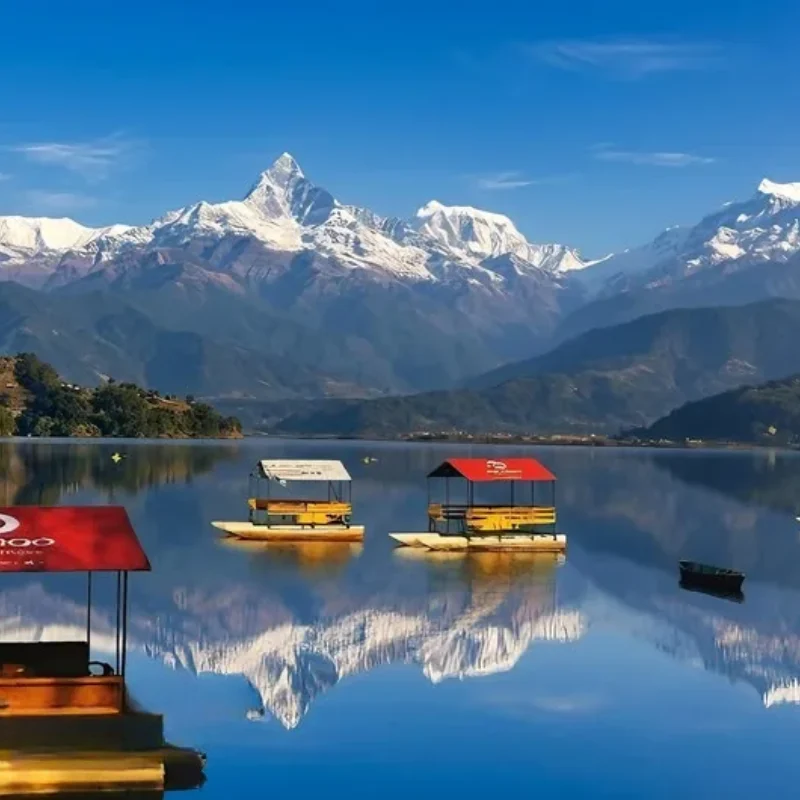
The main highlight comes on Day 3. From Pikey Peak at 4,060 m, you can watch the first light spread across the eastern Himalaya, with views of Mount Everest (8,849 m), Mount Makalu (8,485 m), Numbur Himal (6,959 m) and a sweeping arc of snow peaks stretching from Kanchenjunga in the east toward the Annapurnas in the west. Because the route sits outside the crowded Everest Base Camp corridor, the summit is often enjoyed in near solitude.
The trek also connects the region’s Buddhist heritage. The trail visits Thubten Chholing Gompa, one of the most important monasteries in the Solu region, crosses the traditional gateway at Traksindo La, and offers an optional visit to Chiwong Gompa before finishing in the transport town of Phaplu.
Why Choose the Pikey Peak Trek?
If you want Everest-region views without committing to a long, high-altitude expedition, this route offers an efficient combination of Himalayan panoramas, Sherpa village culture, rhododendron forests, monastery visits and an unforgettable sunrise — all reached by road rather than by flight.
The route is also practical: it starts from Kathmandu, uses road-accessible trailheads, stays in teahouses throughout the trek and reaches a maximum altitude of 4,060 m. For many travellers, that balance of scenery, walking time, accessibility and lower cost is what makes the Pikey Peak Trekking package such an attractive short trek in Nepal’s Everest region.
Who Is This 7-Day Pikey Peak Trek Suitable For?
The 7-day Pikey Peak trek is a good choice for:
- First-time trekkers looking for Everest views without a long expedition
- Travellers with limited time in Nepal
- Budget-conscious trekkers
- Couples and honeymooners
- Families with children who are comfortable walking for several hours on uphill and downhill terrain
- Travellers who want Himalayan sunrise views without flying to Lukla
- Visitors who want a quieter alternative to the busy Everest Base Camp trail
- Trekkers interested in Sherpa culture and Buddhist monasteries
No previous trekking experience is required. However, you should be comfortable walking uphill and downhill for several hours a day, particularly on the stone-stepped ascent to Pikey Peak and during the long acclimatization climbs of the middle days.
Guide’s Note — Nepal Lion Tours “When we operate this trek, our guides usually gather the group at Jhapre and then start the summit approach from Pikey Peak Base Camp in the dark with headlamps, timing the climb so trekkers reach the summit viewpoint just before the first light reaches Everest. It is a short climb, but the cold and the darkness make preparation important — we recommend your down jacket, gloves and a thermos stay within easy reach, because the warmth only arrives once the sun is fully up.” — Our leading trekking guides, Nepal Lion Tours
Quick Facts
| Trek Fact | Details |
|---|---|
| Trek Name | Pikey Peak Trekking |
| Duration | 7 days / 6 nights |
| Region | Solu-Khumbu (Everest), Koshi, Nepal |
| Maximum Altitude | 4,060 m / 13,320 ft at Pikey Peak |
| Difficulty | Easy |
| Main Highlight | Himalayan sunrise from Pikey Peak |
| Views | Mount Everest, Makalu & Numbur Himal |
| Start / End | Kathmandu to Kathmandu |
| Route | Kathmandu – Dhap – Jhapre – Pikey Peak Base Camp – Pikey Peak – Loding – Junbesi – Traksindo La – Taksindu – Phaplu – Kathmandu |
| Typical Trekking | 4–9 hours per day on trekking days |
| Best Season | October–November and March–May |
| Price From | USD 617.50 per person |
| Accommodation | Teahouse lodges |
| Guide | Licensed English-speaking trekking guide |
Pikey Peak Trek Route and Elevation
The Pikey Peak Trekking route takes you through the scenic lower Solu-Khumbu foothills, combining traditional Sherpa villages, rhododendron forests, one of the finest viewpoints of the Everest region and a return journey by road. The journey begins with a drive from Kathmandu along the Sunkoshi River before the trail gradually climbs toward Pikey Peak.
From Dhap and Jhapre, you trek through Bhulbule and Lhamuje to Pikey Peak Base Camp (3,640 m). An early-morning climb then takes you to Pikey Peak (4,060 m / 13,320 ft), the highest point of the trek and its main sunrise viewpoint. From there, the route descends toward Loding, continues through Junbesi, crosses Traksindo La and reaches Taksindu before finishing the walking section at Phaplu.
Pikey Peak Trek Route at a Glance
| Day | Trek Route | Altitude | Highlights |
|---|---|---|---|
| Day 01 | Kathmandu → Dhap → Jhapre | 2,932 m / 9,619 ft | Sunkoshi River drive, villages & Everest–Numbur views |
| Day 02 | Jhapre → Pikey Peak Base Camp | 3,640 m / 11,942 ft | Rhododendron forests, yak pastures & Mani walls |
| Day 03 | Pikey Peak Base Camp → Pikey Peak → Loding | 4,060 m / 13,320 ft | Himalayan sunrise, Everest & Makalu panorama |
| Day 04 | Loding → Junbesi | 2,675 m / 8,776 ft | Thubten Chholing Gompa, Sherpa villages & river trail |
| Day 05 | Junbesi → Traksindo La → Taksindu | 2,960 m / 9,711 ft | Mountain pass, gompas, stupas & local culture |
| Day 06 | Taksindu → Phaplu | 2,413 m / 7,917 ft | Quiet forest trail & optional Chiwong Gompa visit |
| Day 07 | Phaplu → Kathmandu | 1,400 m / 4,593 ft | Scenic return drive & farewell dinner |
Pikey Peak Trek Elevation Profile
The elevation changes considerably during the seven-day journey. Starting from Kathmandu at 1,400 m, the road climbs to 2,932 m at Dhap before the trail rises steadily to 3,640 m at Pikey Peak Base Camp and finally 4,060 m at Pikey Peak, the highest point of the trek.
After the sunrise viewpoint, the route descends through Loding (2,700 m) and Junbesi (2,675 m), crosses Traksindo La (2,960 m) and continues down to Phaplu (2,413 m) before the return drive to Kathmandu.
This elevation profile also helps explain the physical character of the trek: the route is not technically difficult, but the combination of uphill forest trails, stone steps, the pre-dawn Pikey Peak climb and gradual descents requires steady pacing.
A trekking map and elevation profile can be provided with your trekking materials so you can follow the main trail, overnight stops and elevation changes throughout the journey.
How to Get to the Pikey Peak Trek
Pikey Peak Trekking begins in Kathmandu rather than from a remote trailhead. Most trekkers travel by road along the Sunkoshi River toward the Solu-Khumbu foothills, making the approach straightforward and avoiding the flight-dependent logistics associated with Everest Base Camp treks from Lukla.
If you are arriving in Nepal on an international flight, it is worth allowing some buffer time before your trek begins. Road travel between Kathmandu and the Solu-Khumbu region can be affected by traffic, weather and road conditions, particularly during busy periods or the monsoon season.
Kathmandu to the Trailhead: Drive or Fly?
You have several options for reaching the Pikey Peak trek:
| Option | Approx. Travel Time | Best For |
|---|---|---|
| Road via Sunkoshi (jeep/bus) | 7–9 hours on Day 1 | Budget-conscious travellers, no flight reliance |
| Private vehicle | Around 7–9+ hours | Flexible or family travel |
| Domestic flight to Phaplu | Around 35 minutes | Travellers short on time (weather-dependent) |
Road travel times are approximate and can vary with traffic, road construction, weather and road conditions.
The road journey via the Sunkoshi River is the standard approach for this package, included as a sharing-jeep transfer from Kathmandu to Dhap and Jhapre. The mountain scenery, terraced hillsides and rural villages along the way make the drive part of the experience.
A Kathmandu to Phaplu flight is the fastest option for travellers who want to save road time, although domestic flights can occasionally be affected by weather or operational delays. As an optional addition at extra cost, it can be arranged through your trekking operator where the itinerary allows.
Kathmandu to Dhap and Jhapre
After leaving Kathmandu, the journey follows the Sunkoshi River toward the Solu-Khumbu foothills. The route passes through Ghurmi, terraced hillsides, rhododendron forests and small rural settlements before reaching Dhap Bazaar (2,932 m), where you can explore the local market.
From Dhap, a rough dirt road continues toward Sigane and on to Jhapre, a beautiful village known for its excellent mountain viewpoints. From Jhapre, you can already enjoy views of Mount Everest and Numbur Himal, and a first evening walk to local gompas and stupas is a gentle introduction to the region.
Guide’s Note — Nepal Lion Tours “From our experience operating Pikey Peak departures, the Kathmandu–Dhap road leg is one of the longest single travel days of the whole seven days — a full day of winding river-valley driving before you even set foot on the trail. We recommend treating Day 1 as a travel day, not a trekking day, and arriving in Jhapre early enough to enjoy the first Everest views in the evening with little effort.” — Our leading trekking guides, Nepal Lion Tours
Returning to Kathmandu After the Trek
After completing the trekking section at Phaplu, you continue by road toward Kathmandu. The return journey is a long scenic drive of approximately 8–11 hours, passing green hills, rural settlements, the Sun Kosi River, terraced farmland and winding river valleys.
An optional flight from Phaplu is also possible at extra cost, subject to schedules and weather, which can save significant road time. Once back in Kathmandu, the package includes a farewell dinner, and you can stay overnight or continue your onward Nepal plans.
A Practical Tip for International Travellers
If you are connecting this trek with an international flight, avoid scheduling your return journey too tightly before your international departure. Road delays on the Phaplu–Kathmandu drive can occasionally affect travel plans.
A safer approach is to return to Kathmandu with enough time before your international flight, particularly if your onward journey is on a fixed date. With the approach drive and return transfer arranged in advance, getting to and from the Pikey Peak trek is straightforward and leaves you free to focus on the trail itself.
Pikey Peak Trek Difficulty, Fitness & Altitude
The Pikey Peak Trekking is graded easy, but easy does not mean flat. The route includes uphill forest trails, stone steps, a pre-dawn climb to Pikey Peak at 4,060 m / 13,320 ft and two long road days at the start and end. For reasonably fit travellers who are comfortable walking for several hours a day, it offers an accessible introduction to the Everest region.
The main physical demands are the ascent from Pikey Peak Base Camp to the summit viewpoint and the long driving days on Days 1 and 7. Typical trekking days involve around 4–9 hours of activity, while the route stays within villages and established teahouse areas for much of the journey.
Where the Effort Actually Is?
The difficulty of the Pikey Peak trek is concentrated in a few sections rather than being consistently strenuous throughout the seven days.
The Pikey Peak Base Camp climb on Day 3 is the toughest section, with stone-stepped trails rising toward 4,060 m through high-altitude pastures and grazing areas. The pre-dawn walk is conducted in the dark and cold, making preparation important.
Guide’s Note — Nepal Lion Tours “The summit climb is short compared with some Everest-region treks, but the cold, the darkness and the stone steps make good preparation important. Our guides recommend a proper headlamp, warm layers and a steady pace from the start — trekkers who dress for -5°C at the summit nearly always enjoy the sunrise far more than those who under-dress.” — Our leading trekking guides, Nepal Lion Tours
The long road days at the start and end are rarely mentioned in difficulty ratings but deserve attention. Day 1 involves 7–9 hours of mountain driving, and Day 7 takes 8–11 hours back to Kathmandu, so comfort and patience matter as much as fitness.
On the walking days in between, expect approximately 4–7 hours of trekking, with a mixture of forest paths, stone steps, village trails and open high-altitude pasture.
How to Prepare for the Pikey Peak Trek
You do not need an intensive training programme or advanced trekking experience for the Pikey Peak Trek. The most useful preparation is to build comfortable walking endurance, strengthen your legs for uphill and downhill sections, and become accustomed to walking on uneven terrain.
- Walk regularly before the trek: Aim for 3–4 walking sessions per week and gradually increase the duration. Being comfortable on your feet for several hours is more important than walking at a fast pace.
- Practise hills and stairs: Include uphill and downhill walking, stairs, or an inclined treadmill in your training. This is particularly useful for the stone-stepped ascent to Pikey Peak.
- Build leg strength: Simple exercises such as squats, lunges, step-ups and calf raises can help prepare your legs for repeated ascents and descents.
- Take a few longer walks: Before departure, try to complete several walks of around 2–4 hours so you know how your body responds to longer periods of activity.
- Prepare for the early morning Pikey Peak climb: The climb from Base Camp starts before sunrise and can be cold. Bring warm layers, a headlamp or flashlight, and shoes with good grip.
- Expect long drives: Break in comfortable travel clothing and be prepared for the 7–9 hour road journeys on Days 1 and 7.
- Avoid last-minute overtraining: In the final few days, focus on rest, good sleep and recovery rather than trying to build fitness suddenly.
How Difficult Is Pikey Peak Compared with Longer Treks?
The Pikey Peak Trekking route is shorter, lower and quieter than the classic Everest Base Camp itinerary. It avoids the Lukla flight, does not require a Sagarmatha National Park permit for the standard route and reaches a maximum of 4,060 m rather than 5,500 m, making altitude management noticeably simpler.
However, the trek still requires several consecutive days of walking through shifting terrain. The combination of forest climbs, the Pikey Peak ascent and long driving days means a basic level of preparation remains worthwhile. With regular walking and sensible preparation, most reasonably fit travellers can comfortably enjoy the route while maintaining a steady pace.
Altitude, Acclimatization & Safety
The Pikey Peak Trekking reaches a maximum altitude of 4,060 metres (13,320 feet) at Pikey Peak over seven days. The route gains altitude progressively through Dhap and Pikey Peak Base Camp before the early-morning climb to the summit viewpoint, followed by a descent toward Loding, Junbesi and Phaplu.
At 4,060 m, this is a moderate-altitude trek compared with longer Everest-region routes, but altitude should still be taken seriously. Some trekkers can experience symptoms of acute mountain sickness (AMS) even at moderate elevations, so walking at a comfortable pace, allowing your body time to adjust and communicating any symptoms to your guide are important.
Pikey Peak Trek Altitude Profile
- Kathmandu — 1,400 m / 4,593 ft: Starting point of the journey and your lower-altitude base before the trek.
- Dhap — 2,932 m / 9,619 ft: Trailhead village reached by road on Day 1.
- Jhapre — 2,932 m / 9,619 ft: First overnight stop, famous for its Everest and Numbur viewpoints.
- Pikey Peak Base Camp — 3,640 m / 11,942 ft: High overnight settlement among yak pastures.
- Pikey Peak — 4,060 m / 13,320 ft: Highest point of the trek and the famous sunrise viewpoint.
- Loding — 2,700 m / 8,858 ft: Overnight stop after the summit day descent.
- Junbesi — 2,675 m / 8,776 ft: Important Sherpa settlement below the summit ridge.
- Traksindo La — 2,960 m / 9,711 ft: Mountain pass connecting the trail with the Dudhkoshi Valley.
- Phaplu — 2,413 m / 7,917 ft: Final trekking town and transportation hub of the Solu region.
How the Body Adapts to Altitude
As you gain altitude, atmospheric pressure decreases and less oxygen is available with each breath. Your body responds by increasing breathing and circulation, while longer-term acclimatization involves additional physiological changes.
For trekkers, the practical approach is simple: ascend gradually, walk at a comfortable pace, eat and drink regularly, get enough rest and tell your guide if you feel unwell. There is no need to rush the trail simply to maintain a planned pace.
Symptoms of Altitude Sickness to Watch For
Mild AMS symptoms can include:
- Headache
- Nausea or reduced appetite
- Fatigue or unusual tiredness
- Dizziness
- Difficulty sleeping
Tell your trekking guide promptly if these symptoms appear or become worse. More concerning symptoms can include:
- Severe or persistent headache
- Repeated vomiting
- Confusion or unusual behaviour
- Difficulty walking or poor coordination
- Shortness of breath while resting
If significant altitude-related symptoms develop, the priority is to stop ascending and seek appropriate medical advice. Descending to a lower altitude is an important response when serious altitude illness is suspected.
How Nepal Lion Tours Supports Altitude Safety
- Gradual route progression: The itinerary climbs from Dhap to Pikey Peak Base Camp before reaching the highest point at Pikey Peak, with a descent immediately after the sunrise viewpoint.
- Experienced trekking guidance: Your guide monitors how you are feeling throughout the trek and can advise when to slow down, rest or seek further assistance.
- Early communication: Trekkers are encouraged to report headaches, nausea, dizziness, unusual fatigue or other concerning symptoms rather than trying to push through them.
- Descent after reaching Pikey Peak: The itinerary does not require you to sleep at the maximum altitude. After sunrise, the route descends toward Loding.
- Health and safety: Your guide can assist with basic first-aid needs and help you respond appropriately if you become unwell during the trek. Trekkers should carry travel insurance that covers medical treatment and, where appropriate, emergency evacuation.
Best Time to Trek Pikey Peak
The best time for Pikey Peak Trekking is generally autumn (September–November) and spring (March–May). Autumn usually offers the clearest mountain views and more stable conditions, while spring brings comfortable trekking weather and colourful rhododendron forests. The trek is possible throughout the year, but winter is colder and the monsoon brings wetter trails and reduced mountain visibility.
| Season | Months | Weather & Trail Conditions | Mountain Views | Overall |
|---|---|---|---|---|
| Autumn | September–November | Generally dry, mild and stable | Excellent on clear days | Best overall |
| Spring | March–May | Mild, with blooming rhododendrons | Very good | Highly recommended |
| Winter | December–February | Cold; frost or snow possible at higher elevations | Good on clear days | Good with preparation |
| Monsoon | June–August | Wet, humid and often slippery | Frequently limited by cloud | Less suitable |
Autumn — September to November
Autumn is the best overall season for the Pikey Peak trek, particularly October and November. Post-monsoon conditions generally bring clearer skies, dry trails and excellent visibility of Everest, Makalu and Numbur Himal, making this an ideal period for the Pikey Peak sunrise.
Spring — March to May
Spring is another excellent time to trek, especially during March and April. The weather is generally favourable for walking, while rhododendrons add colour to the forests between Jhapre, Pikey Peak Base Camp and the lower valleys. Mountain views are often best in the morning before clouds develop later in the day.
Winter — December to February
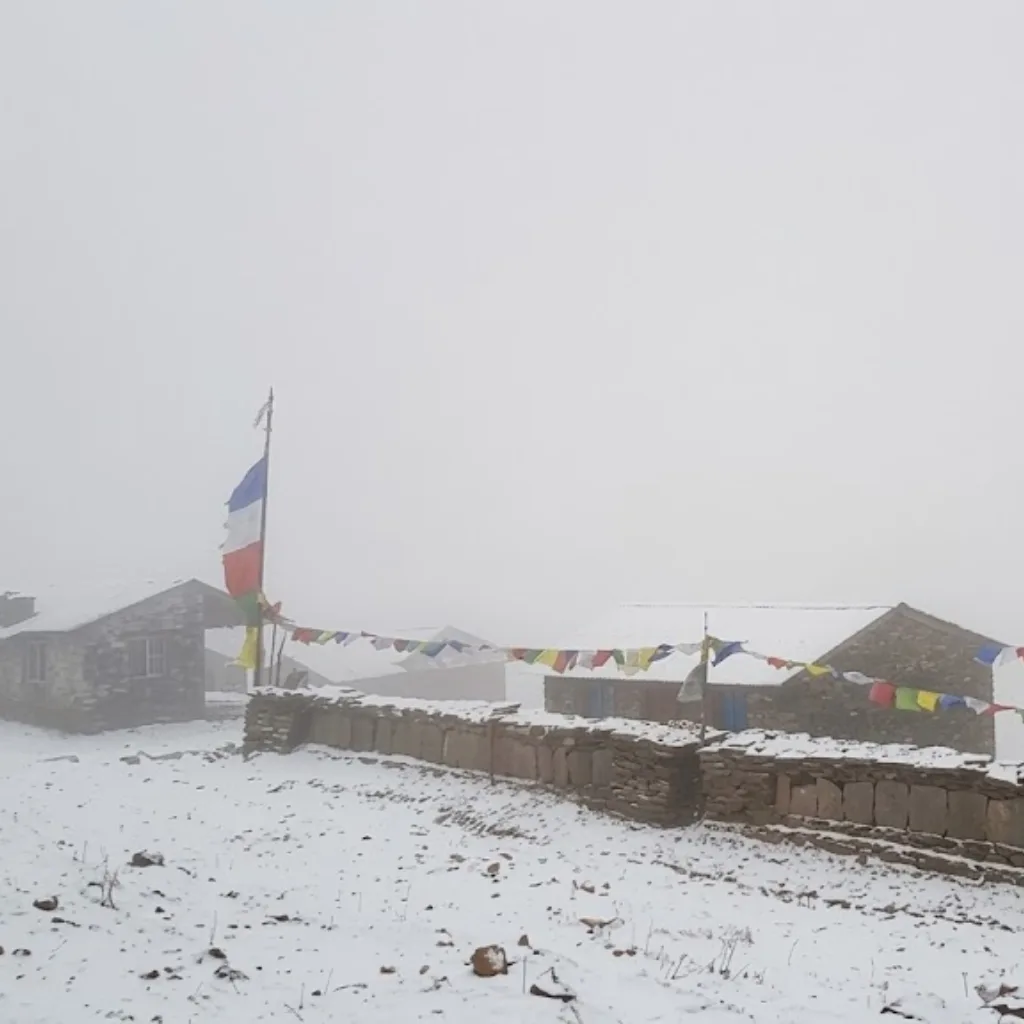
Winter brings colder conditions and quieter trails, particularly around Pikey Peak Base Camp and the summit. Clear days can offer superb mountain visibility, but frost, snow and icy trail sections are possible at higher elevations, so winter suits trekkers prepared for colder mountain conditions and occasional road disruption.
Monsoon — June to August
Monsoon is the least favourable season for reliable mountain views. Rain, cloud cover, muddy or slippery trails and leeches in forested sections are common, although the landscape becomes exceptionally green and the Sunkoshi River drives dramatically. Trekkers choosing this season should be prepared for changing conditions and limited visibility.
Which Season Should You Choose?
Choose autumn if clear Himalayan views and a classic Pikey Peak sunrise are your priority. Choose spring for rhododendron blooms and pleasant trekking conditions. Winter suits those who prefer quieter trails and can handle colder conditions, while monsoon is best reserved for travellers comfortable with rain and reduced mountain visibility.
Weather in the Himalayas can change quickly, so conditions are never guaranteed regardless of the season. Checking the forecast shortly before departure is recommended.
Guide’s Note — Nepal Lion Tours “In our experience, the most reliable sunrise mornings are in October and November, when the post-monsoon air is dry. Even then, there is often a brief window of low cloud hanging over the valleys at dawn — our guides simply sit with tea and wait it out, because on clear autumn mornings the view from Pikey Peak typically opens up into a full arc of the Himalaya shortly after first light.” — Our leading trekking guides, Nepal Lion Tours
Pikey Peak Trek Permits & Regulations
The Pikey Peak Trekking route passes through the lower Solu-Khumbu region, which sits outside the boundary of Sagarmatha National Park, so the paperwork is simpler and cheaper than most Everest-region treks. Under current Nepal Tourism Board rules, trekkers on this route need a TIMS (Trekkers’ Information Management System) registration, a small local rural-municipality trekking fee, and must be accompanied by a licensed trekking guide. A licensed guide is mandatory across most of Nepal’s national trail network from April 2023, and permits are issued through registered trekking agencies.
For trekkers booking through Nepal Lion Tours, the required permit and registration arrangements are handled as part of the trekking preparation, so you do not need to navigate the application process independently.
Pikey Peak Trek Permits at a Glance
| Requirement | Who Needs It? | Who Arranges It? |
|---|---|---|
| TIMS Card (Trekkers’ Information Management System) — e-TIMS, about NPR 2,000 | Foreign trekkers on applicable Nepal trekking routes | Nepal Lion Tours |
| Local rural-municipality trekking fee | Trekkers passing through the Solu village route | Nepal Lion Tours |
| Gaurishankar Conservation Area Permit (GCAP), about NPR 3,000 | Only if you approach via Jiri or Shivalaya | Nepal Lion Tours |
| Licensed trekking guide | Mandatory for foreign trekkers since April 2023 | Included with every Nepal Lion Tours trek |
Fees are based on current Nepal Tourism Board information (2026) and can be revised by the relevant authorities. Confirm the applicable fee and requirements when booking.
TIMS Card for the Pikey Peak Trek
The TIMS (Trekkers’ Information Management System) Card records important trekker and itinerary information and is now issued as a digital e-TIMS card with a QR code that checkpoint staff scan along the trail. Since the 2023 revision, TIMS is processed through registered trekking agencies (with trekker, guide and route information submitted as part of the registration) rather than self-serve counters. The current fee is NPR 2,000 for foreign nationals and NPR 1,000 for SAARC nationals, per trekking route.
For guests travelling with Nepal Lion Tours, the applicable TIMS registration is arranged as part of the trek preparation.
Local Rural-Municipality Trekking Fee
The Pikey Peak route passes through villages within Solu-Khumbu, where a small local rural-municipality trekking fee is collected on the trail. This contribution supports trail maintenance and local communities along the route.
The amount is modest — typically a few hundred to around NPR 2,000 depending on the municipality — and can vary between seasons. When you book the Pikey Peak Trekking package with Nepal Lion Tours, the applicable locality fees are arranged as part of your preparation, and current charges are confirmed at booking.
Gaurishankar Conservation Area Permit (GCAP) — Only for the Jiri/Shivalaya Approach
If your itinerary approaches Pikey Peak from Jiri, Shivalaya or the Dudh Kosi side, you enter the Gaurishankar Conservation Area, which requires a Gaurishankar Conservation Area Permit (GCAP) at around NPR 3,000 for foreign nationals (less for SAARC nationals).
The standard Dhap–Jhapre–Phaplu itinerary used by Nepal Lion Tours does not pass through the conservation area, so a GCAP is not usually required for this package. If you are booking a modified route that starts further south, Nepal Lion Tours will arrange the GCAP as part of your permit preparation.
Do You Need a Sagarmatha National Park Permit?
No, not for the standard Pikey Peak Trek route.
The route through Dhap, Jhapre, Pikey Peak Base Camp, Loding, Junbesi, Traksindo La, Taksindu and Phaplu stays in the lower Solu-Khumbu and does not enter Sagarmatha National Park, which begins farther north along the Dudhkoshi Valley toward Namche Bazaar. This means the standard itinerary does not require the park’s entry permit, keeping the paperwork simpler and cheaper than many other Everest-region treks.
Do You Need a Restricted-Area Permit?
No, not for the standard Pikey Peak Trek route.
The trek does not enter Nepal’s designated restricted trekking areas such as Upper Mustang or the restricted sections of Manaslu. However, permit rules can change, and requirements may differ if you modify the itinerary, add another trekking region, or begin from Jiri or Shivalaya where a Gaurishankar Conservation Area Permit (GCAP) may apply. Your trekking company should confirm the current requirements before departure.
Who Arranges the Permits?
When you book the Pikey Peak Trekking package with Nepal Lion Tours, the trekking team arranges the required TIMS card registration, applicable locality fees and your licensed government-accredited trekking guide as part of the pre-trek paperwork. Since April 2023 the permits on this route are only issued through registered agencies, which is why trekking with a licensed operator is required as well as recommended.
You should still carry your original passport during the trek, as it may be required for identification or permit checks. Because government fees and trekking regulations can be revised, the final permit requirements and charges should always be confirmed before departure.
Food & Accommodation on the Pikey Peak Trek
Accommodation and meals are an important part of the Pikey Peak Trekking experience. The Solu-Khumbu region has an established network of teahouses and family-run lodges, so you can expect straightforward mountain accommodation, warm dining areas and a good variety of meals along the route.
The facilities become more basic in smaller settlements, but the standard is generally comfortable for a short Pikey Peak trek. Your trekking guide can also help communicate dietary preferences and coordinate meals at each lodge.
Teahouse Accommodation on the Pikey Peak Trek
You will generally stay in local teahouses or family-run trekking lodges in twin-sharing rooms. Facilities vary between villages and individual lodges, so it is best to expect practical mountain accommodation rather than hotel-style services.
Typical facilities include:
- Twin-sharing rooms with beds, mattresses, pillows and blankets.
- Shared bathrooms at most teahouses, with private bathrooms available at some lodges.
- Hot showers at selected lodges, usually available for an additional charge.
- Electricity for lighting and basic device charging, although charging may cost extra at some lodges.
- Heated or warm dining areas where available, particularly useful during cooler evenings.
- Wi-Fi at some larger settlements, although connection speed and reliability can vary.
- Basic bedding and sleeping arrangements suitable for the conditions along the route.
Jhapre, Junbesi and Phaplu generally have wider choices and better facilities, while smaller stops such as Pikey Peak Base Camp and Loding are simpler but still provide the essentials needed after a day of walking. Many lodges are locally operated, making teahouse accommodation an important part of the trekking economy in the Solu-Khumbu region.
What Food Is Available on the Pikey Peak Trek?
Food along the Pikey Peak Trek is more varied than many first-time trekkers expect. Teahouses commonly serve Nepali staples alongside Tibetan-influenced dishes and familiar international meals.
Popular options include:
- Dal bhat with rice, lentils, vegetables and pickle
- Momos
- Noodles and noodle soup
- Fried rice
- Pasta
- Soups
- Potatoes
- Eggs
- Porridge
- Pancakes
- Toast and other simple breakfast options
Dal bhat is particularly popular with trekkers because it is filling and provides a substantial meal after a long day on the trail. Many teahouses offer additional servings of rice and lentils depending on the lodge and meal arrangement.
Vegetarian meals are widely available along the route. If you follow a vegan, gluten-free or other specific diet, inform Nepal Lion Tours before departure so your guide can communicate your requirements to the lodges in advance. Food choices may be more limited in smaller villages, so advance notice is helpful.
What Food and Accommodation Are Included?
For the standard package, accommodation and meals are provided during the trekking days according to the package inclusions.
| Included in the Trek Package | Usually Paid Separately |
|---|---|
| Teahouse accommodation during the trek | Bottled drinks & alcoholic beverages |
| Breakfast, lunch and dinner on trek days | Snacks and desserts |
| Tea or coffee with included meals, where specified | Hot showers |
| Twin-sharing accommodation | Device charging where a lodge charges a fee |
| Guide, porters and trekking arrangements | Personal expenses and tips |
| Down jacket, sleeping bag, duffel bag and trekking map | International flights, visa and personal insurance |
Always check the final inclusions provided at booking, as individual services and lodge facilities can change depending on the itinerary and operating conditions.
Drinking Water on the Trek
Safe drinking water is important throughout the Pikey Peak trek. Do not assume that untreated tap or spring water is safe to drink.
You can usually purchase bottled water or obtain boiled or treated drinking water from teahouses. For a more environmentally responsible option, carry a reusable bottle and use a suitable water filter, purification tablets or other reliable treatment method.
How much water you need depends on the weather, walking intensity and your individual needs. Rather than following a rigid target, drink regularly throughout the day and increase your intake when you are sweating or feeling thirsty. A reusable bottle also helps reduce the amount of single-use plastic generated along the trekking route.
Staying Comfortable at Teahouses
A few simple preparations can make your evenings much more comfortable:
- Carry a reusable water bottle or hydration system.
- Bring a sleeping bag if it is included or recommended for your departure season.
- Carry a power bank because charging facilities can be limited or paid.
- Keep some cash for showers, charging, snacks and drinks.
- Bring layers for cooler mornings and evenings.
- Tell your guide about dietary requirements before the trek starts.
The Pikey Peak Trekking route combines relatively accessible teahouse facilities with the character of a Himalayan village trek. After walking through the rhododendron forests and mountain villages, having a warm meal and a simple room waiting at the end of the day is part of what makes this short Everest-region trek so appealing.
Why Book with Nepal Lion Tours?
A great Pikey Peak trek is about more than reaching the viewpoint. The quality of your guide, clarity of the pricing, transport arrangements, accommodation and the way the itinerary is managed can make a significant difference to the experience. With Nepal Lion Tours, the Pikey Peak Trekking package is designed around straightforward logistics, local guidance and a clearly defined itinerary.
- Local, licensed English-speaking guides
Each departure is accompanied by a government-licensed trekking guide who speaks English. Local guides bring practical knowledge of the Pikey Peak trekking route, including trail conditions, villages, teahouses, weather changes and the best way to manage the early-morning walk to the summit.
- A registered trekking company you can verify
Nepal Lion Tours is a registered trekking company based in Kathmandu, Nepal. Company and licence details can be provided to travellers who want to verify the operator before booking. Choosing a registered local trekking company gives you a clear point of contact before, during and after your trek.
- Private departures from two trekkers
This 7-day Pikey Peak trek can be arranged from just two trekkers, making it suitable for couples, friends and families who prefer a private experience. With private departures, you can travel according to your own dates and maintain a more flexible pace rather than depending on a large fixed group.
- An itinerary that reaches Pikey Peak itself
The route does not stop at a viewpoint along the trail. After climbing through rhododendron forests and yak pastures, the itinerary reaches Pikey Peak at 4,060 m, where Everest, Makalu and Numbur Himal unfold at sunrise — then continues through the Sherpa heartland to Junbesi, Taksindu and Phaplu.
- Road transfers and straightforward logistics
Transfers between Kathmandu and the trekking trailhead are included, reducing the need to arrange separate local transportation. The team can also assist with practical arrangements related to the trek before departure, so you can focus on the walking rather than coordinating every logistical detail yourself.
- Budget-friendly trekking without removing the main experiences
Starting from USD 617.50 per person, with group discounts from USD 525, the package is designed for travellers looking for an affordable Everest-region trek while still including the core services needed for the journey: a licensed guide, accommodation, meals, permits, transfers and essential gear. The exact price can vary depending on group size, dates and requested services.
- A local team you can contact before and during your trek
From the initial booking enquiry to the return to Kathmandu, Nepal Lion Tours provides a direct point of contact for questions about the itinerary, permits, transport and preparation. Having a local team available in Nepal can make the planning process simpler, particularly for first-time trekkers.
Book the Pikey Peak Trek
Ready to watch the sunrise from Pikey Peak and see Mount Everest and Makalu without flying to Lukla? The 7-day Pikey Peak Trekking brings together Himalayan panoramas, Sherpa villages, rhododendron forests, and the peaceful monasteries of Solu in one rewarding Everest-region adventure.
Trek at a Glance
- Duration: 7 days / 6 nights
- Price: From USD 617.50 per person (group discounts available)
- Difficulty: Easy
- Maximum Altitude: 4,060 m at Pikey Peak
- Accommodation: Teahouse lodges and family-run hotels
- Meals: Breakfast, lunch and dinner during the trek
- Permits & Registration: TIMS card and applicable local municipality fee
- Transportation: Shared jeep transfers as outlined in the itinerary
- Guide: Licensed English-speaking trekking guide
- Extras: Down jacket, sleeping bag, duffel bag, trekking map, Nepal SIM card and welcome/farewell dinner in Kathmandu
- Cancellation: Free cancellation up to 14 days before departure, subject to the booking terms
Ready to Start Your Everest Region Adventure?
Secure your Pikey Peak Trekking dates with Nepal Lion Tours today. Send us your preferred travel date and group size through the booking form or WhatsApp at +977-9851039020, and our team will help confirm your itinerary, permits, transportation, accommodation, and other arrangements.
Whether you’re travelling solo, as a couple, with friends, or with family, we’ll help you prepare for a smooth and enjoyable trek from Kathmandu to Pikey Peak and Phaplu.
Your Pikey Peak sunrise is waiting — choose your dates and start planning your trek today.
Related Everest Region Treks
If you enjoyed the Pikey Peak Trekking, these related adventures offer different ways to explore the Everest region — from a short family-friendly viewpoint trek to the classic high-altitude journey to base camp.
| Trek | Duration | Difficulty | Max Altitude | Best For |
|---|---|---|---|---|
| Everest Panorama Trek | 8–9 days | Easy–Moderate | 3,867 m | Family-friendly Everest views without the high route |
| Everest View Trek | 8 days | Easy–Moderate | 3,880 m | A short introduction around Syangboche and the Everest View area |
| Everest Base Camp Trek | 12–14 days | Moderate | 5,545 m | Reaching the heart of the Everest amphitheatre with Kala Patthar |
| Gokyo Lakes & Cho La Pass Trek | 12–14 days | Moderate–Challenging | 5,357 m | Turquoise lakes and a classic high pass crossing |
| Everest Three Passes Trek | 18–21 days | Challenging | 5,535 m | A complete high-altitude traverse of the Khumbu |
If you want to go beyond the lower Solu trails, Everest Base Camp provides a more immersive high-mountain experience, while the Three Passes adds greater altitude and longer walking days. You can also combine your trek with sightseeing in Kathmandu or extend your Nepal itinerary with a Chitwan Jungle Safari.
Trip Essentials
Packing advice, required equipment & gear recommendations
Essential
Pikey Peak Trek Packing List
Packing for the Pikey Peak Trekking is relatively simple because you stay in teahouses rather than camping. The key is to pack for changing conditions: Kathmandu can feel warm, while the early-morning climb to Pikey Peak at 4,060 m can be considerably colder, particularly in autumn, winter and spring.
A practical layering system is more useful than carrying large amounts of clothing. Nepal Lion Tours provides a down jacket, sleeping bag, duffel bag and trekking map as part of the package, so you can leave several bulky items at home.
Hiking Gear
- Trekking boots with good grip that you have already broken in.
- Trekking poles, particularly useful on the stone-stepped ascent to Pikey Peak and steep downhill sections.
- A 25–35 litre daypack with a rain cover.
- Two reusable water bottles or a hydration system with enough capacity for the day’s walking.
- Water purification tablets, a filter or another reliable water-treatment method.
- Headlamp or small flashlight with spare batteries, especially for the early-morning Pikey Peak sunrise walk.
- Small dry bags or waterproof pouches to protect electronics and important documents.
Clothing: Use Layers Rather Than Bulk
Temperatures can change significantly between the lower valleys and the early-morning summit, so pack several lightweight layers instead of one heavy jacket.
Base layers
- 1–2 lightweight thermal tops.
- 1 thermal bottom for colder departures or winter trekking.
- Merino wool or synthetic fabrics are preferable to cotton for trekking.
Mid-layers
- 1 fleece or warm mid-layer.
- 1 lightweight insulated jacket or puffer for cold mornings and evenings.
Outer layers
- 1 waterproof and wind-resistant jacket with a hood.
- Waterproof trousers or rain pants, particularly useful during spring and monsoon conditions.
Trekking clothes
- 2 pairs of trekking trousers.
- 2–4 trekking shirts, depending on how often you prefer to change.
- 4–5 pairs of trekking socks.
- Comfortable sleep or lounge clothing.
Headwear and gloves
- Warm beanie or fleece hat.
- Sun hat or cap with a brim.
- Warm gloves for the early-morning Pikey Peak climb.
- Buff or neck gaiter for sun, wind and cold.
You do not need to bring a separate wardrobe for the trek. A few versatile layers can cover most conditions you are likely to encounter.
Sleeping and Evening Comfort
Teahouses provide beds and basic bedding, but having a few personal comfort items can make the evenings easier.
- Sleeping bag — provided by Nepal Lion Tours according to the package inclusions.
- Sleeping-bag liner if you prefer an additional layer for hygiene or warmth.
- Earplugs if you are sensitive to noise in shared teahouse environments.
- Eye mask if you are planning an early start for sunrise.
Toiletries and Personal Health Items
Keep toiletries compact and bring only what you are likely to use during the seven-day trek.
- Sunglasses with good UV protection.
- Sunscreen and SPF lip balm.
- Personal medications.
- Small personal first-aid kit.
- Blister plasters or blister treatment.
- Basic pain relief if you normally use it.
- Rehydration salts if needed.
- Toothbrush and toothpaste.
- Biodegradable soap or a small body wash.
- Hand sanitiser.
- Quick-dry towel.
- Wet wipes.
- Toilet paper or tissues.
- Lightweight sandals or camp shoes for use inside the teahouse.
Electronics
You do not need much technology for the Pikey Peak trek, but these items are useful:
- Mobile phone and charging cable.
- Power bank, preferably around 10,000–20,000 mAh.
- Camera and spare batteries if you plan to photograph the mountains.
- Universal travel adapter if required for your devices.
Charging facilities are available at many teahouses, although some lodges may charge a small additional fee. Internet access also varies between villages, so do not rely on continuous Wi-Fi or mobile connectivity throughout the trek.
Documents and Money
Keep important documents protected and easily accessible.
- Passport and copies of important travel documents.
- Travel insurance details, including your insurer’s emergency contact information.
- Copies or digital records of relevant permit documentation if provided by your trekking company.
- Sufficient Nepalese rupees in smaller denominations for personal expenses such as drinks, snacks, showers, charging and tips.
- Emergency contact details stored both on your phone and separately.
Your guide or trekking company handles the required TIMS card registration and any applicable locality fees according to current regulations.
How Much Should You Pack?
For a seven-day Pikey Peak Trek, lighter is generally better. Avoid heavy jeans, unnecessary shoes, excessive clothing and bulky toiletries.
A practical approach is to carry only the clothing and personal equipment you will actually use, while keeping frequently needed items such as water, sunscreen, snacks, rain gear and valuables in your daypack.
If your package includes porter service, your main belongings can be carried separately while you keep your essentials with you during the day’s walk. Confirm the applicable baggage allowance with your trekking company before departure.
The goal is not to pack for every possible weather condition. Pack versatile layers, reliable footwear, rain protection and the personal essentials you genuinely need.
Read Before You Book
Permits, terms, medical considerations & advisory guidelines
Advisory
What to Know Before Booking
The Pikey Peak Trekking is a short, road-based, teahouse trek, but a little preparation makes the seven days much easier. Here are the practical things worth knowing before you book.
Accommodation and Facilities
You will stay in local teahouses and family-run lodges in twin-sharing rooms with basic bedding and shared bathrooms. Larger villages such as Jhapre, Junbesi and Phaplu generally offer more facilities, while smaller stops such as Pikey Peak Base Camp and Loding are simpler.
Hot showers and device charging are available at many lodges for an additional fee, while Wi-Fi and mobile connectivity can vary. Carry a power bank and some cash for personal expenses. Nepal Lion Tours provides a down jacket, sleeping bag, duffel bag and trekking map, along with a local SIM card.
Food and Dietary Requirements
Meals on the trek include familiar Nepali and international options, with dal bhat, momos, noodles, rice, pasta, eggs and porridge commonly available.
Vegetarian meals are widely available. If you are vegan, gluten-free or have a food allergy, tell Nepal Lion Tours before departure so your guide can communicate your requirements to the lodges.
Altitude, Health and Insurance
The highest point of the trek is Pikey Peak at 4,060 m, so this is not an extreme high-altitude trek, but you should still pay attention to how you feel.
Walk at a comfortable pace, drink regularly and tell your guide if you develop unusual symptoms such as persistent headache, dizziness, nausea or significant breathlessness.
Travel insurance is strongly recommended and should cover trekking in Nepal, medical treatment and evacuation appropriate to your itinerary. Check the policy’s altitude limits and exclusions before travelling.
Money and Tipping
Carry enough Nepalese rupees in smaller notes for personal expenses such as drinks, snacks, hot showers and charging. Do not rely entirely on cards or ATMs once you leave Kathmandu.
Tipping is customary but voluntary. If you are happy with the service provided by your guide or porter, a tip at the end of the trek is a common way to show your appreciation.
Culture and Responsible Trekking
The route passes through traditional Sherpa communities of the Solu region, where teahouses, gompas and tourism are an important part of the local economy.
A few simple habits go a long way:
- Ask before photographing local people.
- Dress respectfully around villages and religious sites.
- Walk clockwise around stupas and other Buddhist structures.
- Follow local customs when visiting monasteries such as Thubten Chholing, Taksindu or Chiwong.
- Avoid littering and carry reusable water bottles where practical.
- Buy from local shops and support locally operated teahouses.
- Leave plants, wildlife and cultural sites undisturbed.
Route Options
The standard 7-day Pikey Peak Trek combines the summit sunrise with the Sherpa heartland of Junbesi, Taksindu and Phaplu, reached entirely by road.
If your schedule or fitness level is different, other options may suit you better:
- Longer Pikey Peak itineraries: Extended versions add more rest days or begin from Jiri or Shivalaya, combining the lower Solu trek with a Gaurishankar Conservation Area approach.
- Everest Panorama or Everest View Trek: Shorter, lower routes that introduce the Everest region without the summit climb.
- Everest Base Camp Trek: A better choice if you want a longer, higher, busier trekking experience.
Your itinerary can also be discussed with Nepal Lion Tours if you want to adjust the pace, dates, transportation or accommodation standard.
Booking and Before You Arrive
Before confirming your Pikey Peak Trekking package, make sure you understand:
- What is included in the package price.
- Your accommodation and meal arrangements.
- Permit and TIMS arrangements.
- Transportation to and from the trail.
- Cancellation and payment terms.
- What trekking equipment Nepal Lion Tours provides.
- Your travel insurance coverage.
Once your dates are confirmed, share your arrival and departure details with your trekking company so the road transfers and pre-trek arrangements can be coordinated.
A Few Final Tips
Break in your trekking boots before arriving in Nepal, carry a small amount of cash for personal expenses, keep your important documents accessible and download anything you may need offline before leaving Kathmandu.
Most importantly, leave some flexibility in your schedule. Himalayan weather, road conditions and local logistics can occasionally change plans, and a relaxed itinerary is much more enjoyable than trying to fit every connection down to the minute.
Day-by-Day Itinerary
Explore each day's route, trekking elevation, and activities
Morning
Depart Kathmandu early and begin the scenic journey toward the Solu-Khumbu region. The road follows the Sunkoshi River, passing through picturesque hills, forests, rural settlements, and traditional villages. As the journey continues, the Sunkoshi eventually meets the Tama Koshi, forming part of the mighty Koshi River system.
Midday
Continue toward Ghurmi, enjoying views of terraced hillsides and rivers winding through the valleys. Stop along the way to enjoy a typical Nepali lunch before continuing through areas covered with dense rhododendron forests.
Afternoon
Pass through several small settlements before reaching Dhap Bazaar. Take some time to explore the local market and observe the everyday lifestyle of the people living in this remote mountain region. From Dhap, continue along a rough dirt road toward Sigane and onward to Jhapre.
Evening
Continue along the rugged mountain road until reaching Jhapre, a beautiful village known for its excellent mountain viewpoints. From here, you may enjoy views of Mount Everest and Numbur Himal. Explore the local gompas and stupas before checking into the lodge for dinner and an overnight stay.
Morning
Rise early to witness the first golden rays of sunlight illuminating the snow-covered Himalayan peaks. After enjoying the morning scenery, begin walking along the dusty mountain trail before gradually ascending toward Bhulbule.
Midday
From Bhulbule, the trail becomes steeper as it climbs through beautiful rhododendron forests and small mountain settlements. Continue toward Lhamuje, enjoying the peaceful surroundings and changing vegetation as the elevation increases.
Afternoon
Beyond Lhamuje, the landscape opens into high-altitude pastures where yaks graze freely. Cross a long Mani wall and continue along the winding trail toward Pikey Peak Base Camp. The open landscape provides impressive views of the surrounding mountains.
Evening
Arrive at Pikey Peak Base Camp and settle into your teahouse or lodge. If time permits, visit the nearby yak cheese production area and learn about traditional dairy production in the region. Enjoy dinner and rest in preparation for the following day's mountain views.
Morning
Begin the day with an uphill walk, following sections of the trail marked by stone steps. As you gain elevation, the surrounding landscape gradually opens up, revealing increasingly extensive views of the Himalayan range.
Midday
Continue toward Pikey Peak, one of the outstanding viewpoints in the region. From the higher sections, enjoy panoramic views toward Mount Everest, Mount Makalu, Numbur Himal, and numerous other Himalayan peaks. The surrounding valleys, forests, and rolling mountain landscapes add to the spectacular scenery.
Afternoon
Continue trekking through high-altitude landscapes, passing yak grazing areas and seasonal pastoral settlements. During the milking season, you may have an opportunity to see locally produced yak milk, butter, and cheese. The trail then descends and continues through scenic rhododendron forests toward Jase Bhanjyang and onward to Loding.
Evening
Arrive at Loding and check into your guesthouse or lodge. Enjoy dinner and rest after a long day of trekking through the high Himalayan landscape.
Morning
Wake up to beautiful views of Numbur Himal and enjoy breakfast surrounded by the peaceful mountain landscape. After breakfast, begin the descent toward the Junbesi area.
Midday
Follow the trail along the Junbesi River, walking through forests and traditional Sherpa settlements. The route offers an opportunity to experience the quieter side of the Solu region and observe the local way of life.
Afternoon
Take a side trip toward Thubten Chholing Gompa, an important Buddhist monastery in the region. Explore the monastery and its peaceful surroundings while gaining a deeper understanding of Sherpa Buddhist traditions and culture.
Evening
Continue toward Junbesi, one of the most important Sherpa settlements in the region. Check into your teahouse or lodge, enjoy dinner, and relax for the evening.
Morning
After breakfast, begin the trek toward Traksindo La, one of the important mountain passes connecting the trail with the Dudhkoshi Valley. As you approach the pass, enjoy panoramic views of the surrounding mountains and valleys.
Midday
Continue across the pass and take in views of Traksindo Gompa and the trail ahead. The area is dotted with traditional Buddhist features, including old stupas and Mani structures. Enjoy a break and lunch before continuing the descent.
Afternoon
After crossing the kani, a traditional gateway, the trail descends toward the village of Taksindu. The landscape gradually changes as you move toward lower elevations. Taksindu is also an important access point for local road transportation toward Salleri and Phaplu.
Evening
Arrive in Taksindu and settle into your teahouse or lodge. You can explore the village and visit the impressive Taksindu Monastery before enjoying dinner and resting for the night.
Destination: Phaplu – approximately 2,413m
Activity: Forest trek with optional Chiwong Gompa visit
Trekking Time: Approximately 5–6 hours
Accommodation: Teahouse / Lodge
Meals: Breakfast, Lunch & Dinner
Morning
Leave the main trekking route and follow a peaceful trail descending through the forest toward Phaplu. The route offers a quieter walking experience, surrounded by trees and beautiful mountain scenery.
Midday
Continue along the forest trail at a gentle pace. If conditions and time allow, take an optional hike toward Chiwong Gompa, a monastery dramatically positioned on a ridge overlooking the valley. Enjoy lunch along the route.
Afternoon
After approximately four hours of gentle walking, continue with a gradual uphill section for around 30 minutes toward Phaplu. As you approach the village, the landscape opens up and the local airfield becomes visible.
Evening
Arrive in Phaplu, a small Sherpa settlement and an important transportation center in the Solu region. Check into your lodge and enjoy a relaxed evening after completing the trekking portion of the journey.
Destination: Kathmandu – 1,400m / 4,593ft
Activity: Scenic drive from Solu-Khumbu to Kathmandu
Driving Time: Approximately 8–11 hours
Accommodation: Hotel in Kathmandu
Meals: Breakfast & Farewell Dinner
Morning
After breakfast, begin the long scenic drive from Phaplu toward Kathmandu, leaving the mountains of the Solu-Khumbu region behind. The road gradually descends through green hills, rural settlements, and river valleys.
Midday
Continue toward the Sun Kosi River, one of Nepal's major river systems. The route offers changing scenery as the high mountain environment gives way to lower hills and warmer landscapes. Stop along the way for lunch.
Afternoon
Continue driving through Nepal's diverse countryside, passing traditional villages, terraced farmland, forests, and winding river valleys. As you approach the Kathmandu Valley, the landscape becomes increasingly populated and developed.
Evening
Arrive in Kathmandu and transfer to your hotel. In the evening, enjoy a farewell dinner with the team and celebrate the completion of your Pikey Peak trekking adventure
Want to customize this itinerary?
Tailor duration, lodges, acclimatization days, or add private helicopter flights.
Inclusions & Exclusions
Everything that is covered and what you'll need to budget separately
What is Included
Fully covered in your package price
- Airport pickup and drop services in a private vehicle
- Transportation from Kathmandu to Dhap to Jhapre sharing jeep both way (optional flight with extra costs)
- Food all along the trip (Breakfast, Lunch, Dinner and a cup of coffee or tea) and accommodations during the trip in hotels with family environment
- One licensed and experienced English-speaking trekking guide
- Transportation, food, accommodation and insurance of guide and porter during the trip
- First Aid Medical Kit carried by the guide
- Down jacket, all-season sleeping bag, duffel bag and trekking map (in case if you don’t have your own. Down jacket, sleeping bag and duffel bag must be returned after completion of the trip)
- All the required permits and paper works
- Mobile SIM Card that works all over Nepal and a map of the trekking region
- Complimentary welcome or farewell dinner in Kathmandu at a cultural restaurant
Optional Addons
- Porter
What is Excluded
Personal expenses & optional extras
- International airfare
- Visa charges
- Your travel and medical insurance
- Personal expenses such as shopping, bar bills, hot shower, telephone, laundry, titbits etc.
- Food and accommodation in Kathmandu
- Emergency expenses such as expenses on charted helicopter
- Services not mentioned or not promised by the agent/agency
- Tips for guides and porters
Our Customer Reviews
Authentic experiences and feedback from our travelers
Write a Review
Share your adventure experience with other travelers
Thank You!
Your review has been submitted and is awaiting approval.
Please Wait
You've submitted several reviews recently. Please wait a few minutes before trying again.
No reviews yet
Be the first to share your experience with this trek!
Frequently Asked Questions
Essential information on preparation, route specifics, safety standards, and logistical details.